The Venice Biennale, one of the world’s most important international art exhibitions, is facing strong criticism after Russia was included in this year’s event despite the ongoing war in Ukraine. Artists, activists, and cultural figures have questioned the decision, arguing that the participation of Russia sends the wrong message during a time of continuing conflict and global tensions.
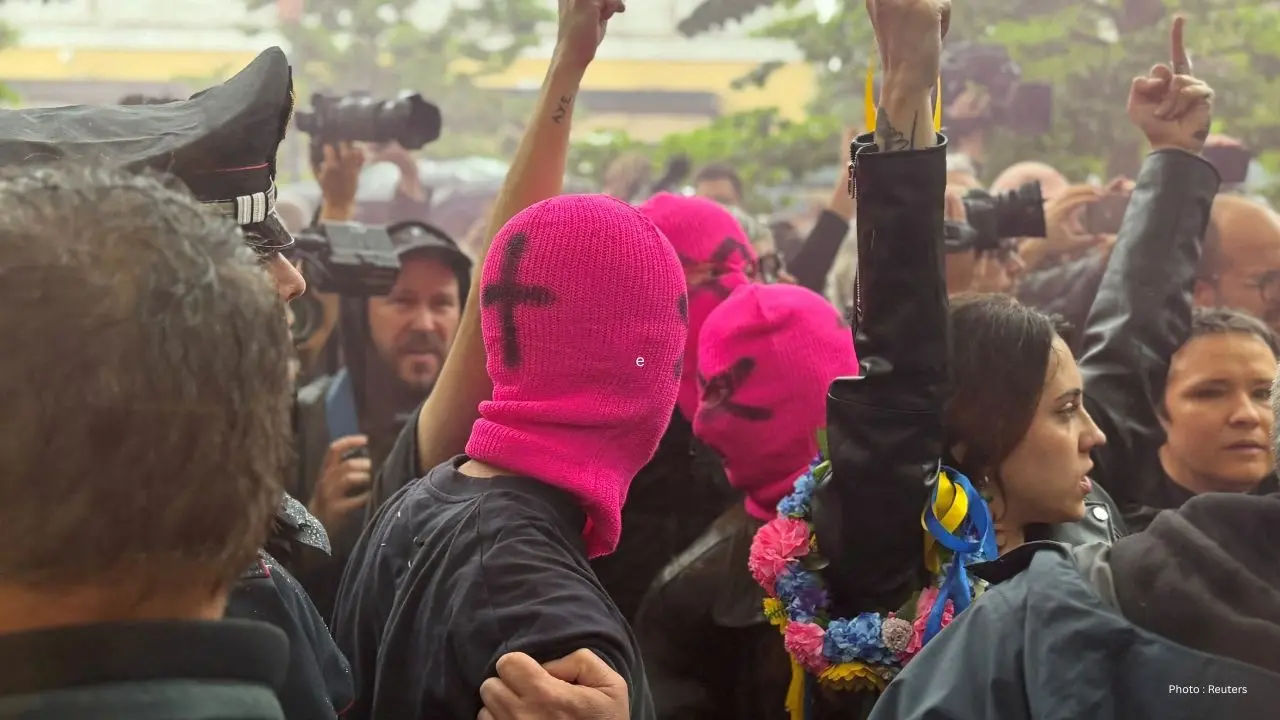
The controversy grew after protesters and critics accused organizers of attempting to separate art from politics while violence and humanitarian concerns linked to the war continue. Demonstrators near the exhibition reportedly carried signs reading “Enjoy the show. Ignore the war,” criticizing what they described as the normalization of Russia’s international cultural presence.
The Venice Biennale has long been considered one of the most influential platforms for contemporary art, bringing together artists and visitors from around the world. Many countries participate through national pavilions that showcase art, culture, and creative projects. However, this year’s inclusion of Russia has become one of the most debated topics surrounding the event.
Critics argue that allowing Russian participation risks overlooking the impact of the war and the suffering caused by the conflict in Ukraine. Some artists and activists said international cultural institutions should take stronger positions during major global crises instead of remaining neutral. Several protesters also called for greater support for Ukrainian artists and cultural organizations affected by the war.
Supporters of Russia’s inclusion, however, defended the decision by saying cultural events should remain spaces for dialogue, artistic freedom, and international exchange. Some organizers and participants argued that artists should not automatically be excluded because of political actions taken by governments.
Reports said the Russian presence at the Biennale was more limited compared to previous years, but the issue still sparked intense debate among visitors and members of the global art community. Social media discussions also became highly divided, with some users supporting the protests while others defended the separation between politics and art.
The backlash reflects wider debates happening across international cultural events since the start of the war in Ukraine. Russian athletes, performers, musicians, and artists have faced restrictions or bans in several global competitions and exhibitions over the past few years. At the same time, some organizations have continued allowing Russian participation under neutral conditions.
Ukrainian artists and officials have repeatedly urged international institutions to isolate Russia culturally and politically until the conflict ends. They argue that international representation can be used to improve a country’s image despite ongoing military actions.
Meanwhile, organizers of the Venice Biennale have not announced any major changes regarding Russia’s participation. The event continues to attract thousands of visitors, artists, and media representatives from around the world despite the controversy.
The debate surrounding the Biennale highlights the growing challenges faced by international cultural institutions as they balance artistic freedom, political pressure, and public opinion during periods of global conflict.