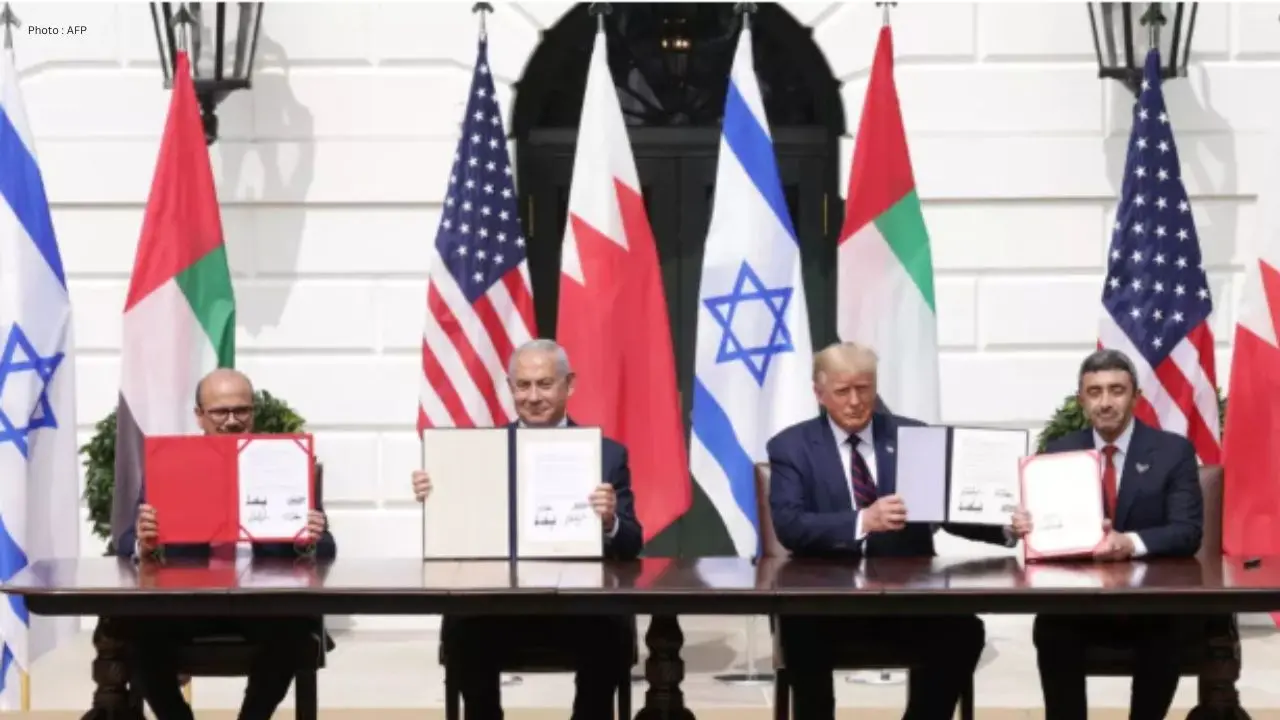
Israeli Prime Minister Benjamin Netanyahu has ordered the Israel Defense Forces (IDF) to “intensify blows” against Hezbollah following a sharp increase in drone and rocket attacks launched from Lebanon into northern Israel. The announcement marks another major escalation in the ongoing conflict between Israel and the Iran-backed Lebanese armed group.
In a public statement, Netanyahu said Israel would continue increasing military pressure on Hezbollah and would not reduce operations despite international calls for restraint. He praised Israeli troops for recent operations and said the country must respond forcefully to protect civilians living near the northern border. Netanyahu stated that Hezbollah’s growing use of advanced drones has created a serious security threat for Israel.
The Israeli leader’s comments came after several recent Hezbollah drone attacks targeted military positions and communities in northern Israel. According to Israeli officials, Hezbollah has intensified the use of fiber-optic guided drones and other unmanned aircraft capable of avoiding some air defense systems. Israeli authorities reported damage and casualties in some border areas during the latest attacks.
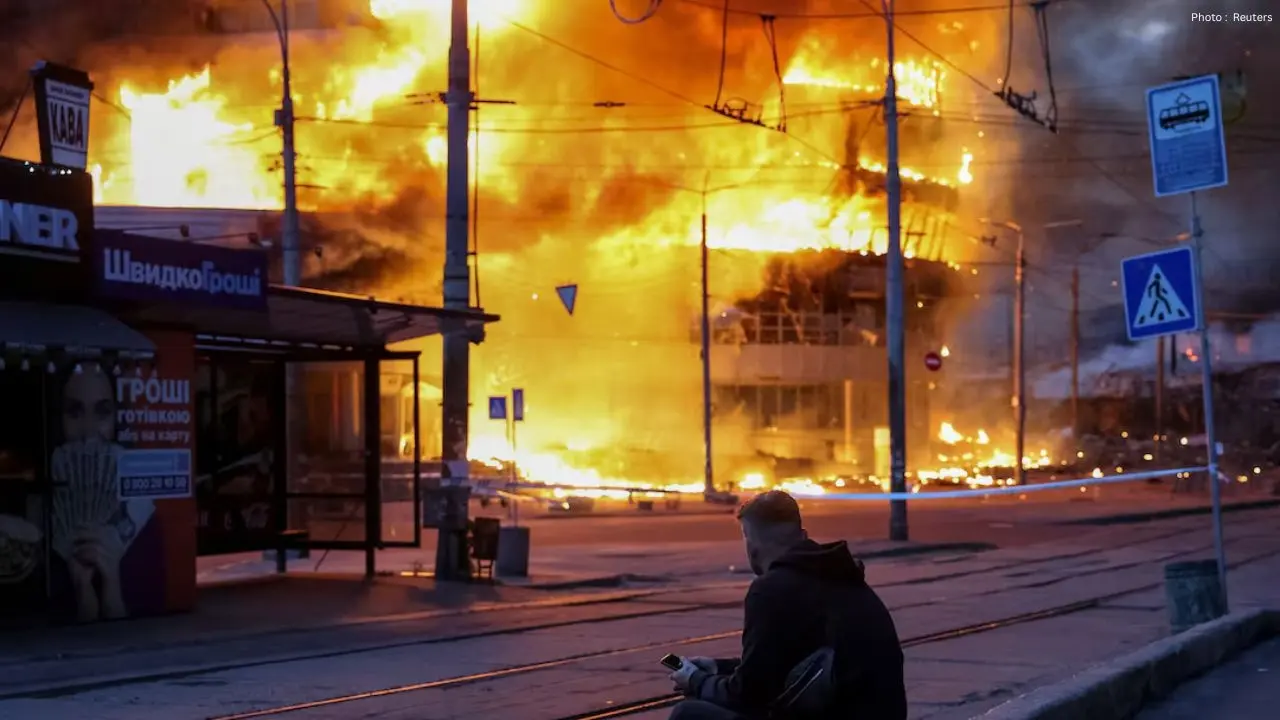
Soon after Netanyahu’s statement, the IDF confirmed it had launched fresh airstrikes against Hezbollah positions in southern and eastern Lebanon. Israeli warplanes reportedly targeted weapons storage facilities, drone launch sites, underground infrastructure, and military compounds linked to Hezbollah fighters. Lebanese media also reported explosions in the Bekaa Valley and southern suburbs connected to Hezbollah strongholds.
The renewed escalation has caused fear among civilians in Lebanon. Reports said many residents began leaving parts of Beirut’s southern suburbs after warnings that Israel could expand attacks deeper into Lebanese territory. Schools in several Israeli northern communities were also closed as local authorities prepared for more cross-border attacks.
Despite a ceasefire agreement reached earlier this year, fighting between Israel and Hezbollah has continued almost daily. Both sides accuse each other of violating the truce. Hezbollah says its attacks are responses to Israeli military operations in Lebanon, while Israel argues that Hezbollah’s drone and rocket launches justify continued airstrikes and military action.
U.S. officials have also expressed concern that the violence could damage ongoing diplomatic negotiations involving Iran and broader Middle East security discussions. According to reports, Washington had earlier pressured Israel to avoid wider strikes in Beirut during sensitive talks with Tehran. However, recent Hezbollah attacks appear to have increased support inside Israel for a stronger military response.
The conflict between Israel and Hezbollah has intensified significantly since the wider Iran-Israel confrontation earlier this year. Hezbollah entered the conflict after launching attacks in support of Iran and allied groups in the region. Since then, thousands of rockets, missiles, and drones have been exchanged across the Israel-Lebanon border, causing deaths, injuries, and mass displacement on both sides.
Military analysts believe Israel may now be preparing for a broader operation aimed at weakening Hezbollah’s drone and missile capabilities. Israeli leaders have repeatedly warned that they will continue strikes until Hezbollah stops attacks near the border and removes military infrastructure from southern Lebanon.
Meanwhile, international organizations and several foreign governments are urging both sides to avoid further escalation. Concerns remain high that a larger Israel-Hezbollah war could destabilize Lebanon further and increase tensions across the Middle East during an already fragile regional security situation.