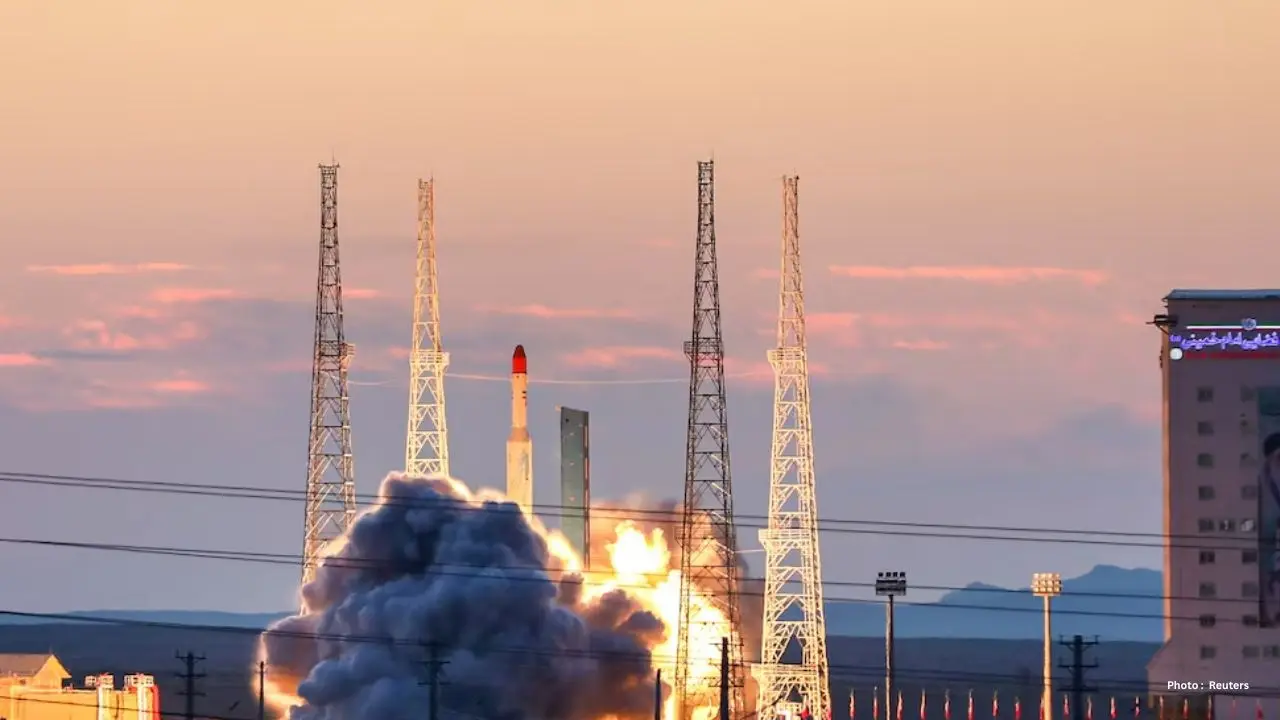
A growing controversy has emerged between U.S. Vice President JD Vance and Pope Leo XIV over the use of religious teachings to justify the ongoing Iran conflict.
The dispute centers on the concept of “just war,” a long-standing idea in Christian theology developed by Saint Augustine. The doctrine outlines strict conditions under which war can be morally justified, including self-defense and the intention to restore peace.
Pope Leo XIV has strongly criticized the idea of using religion to support military action, stating that God does not support those who wage war. He also condemned threats of large-scale destruction, warning that such actions go against both moral teachings and international law.
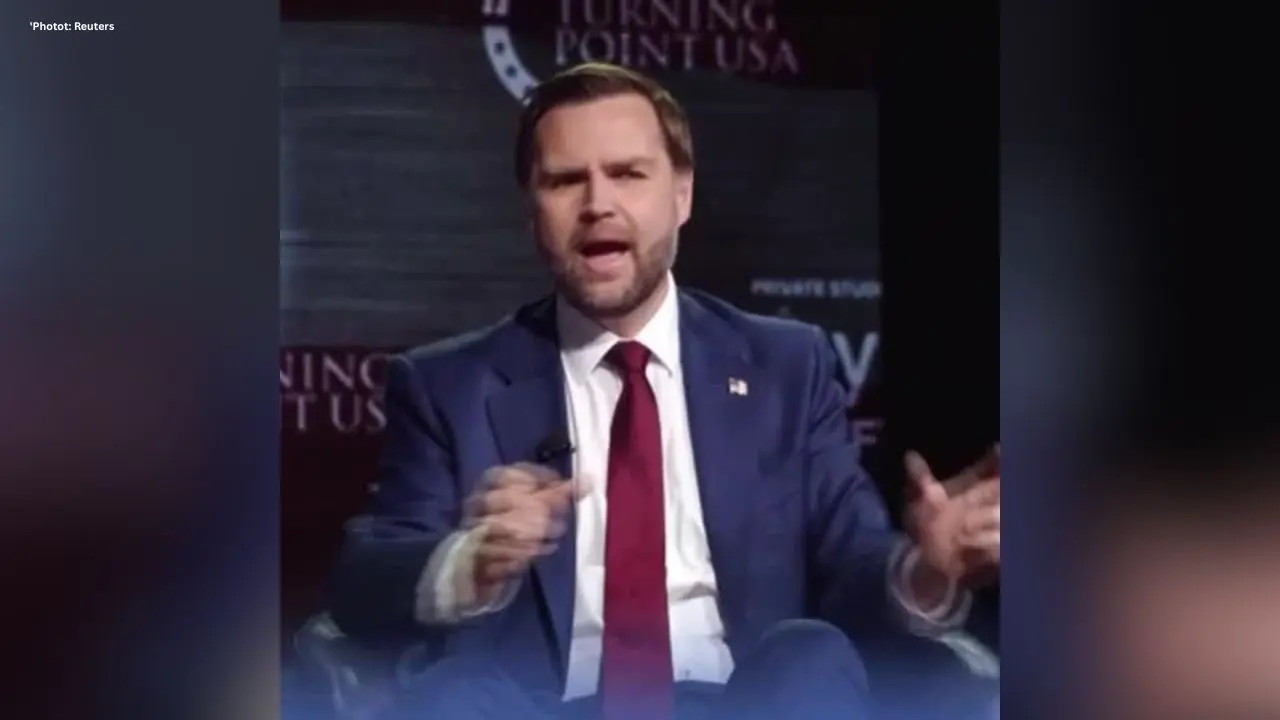
In response, JD Vance publicly challenged the Pope’s interpretation, arguing that there is a long tradition supporting just war theory. He cited historical examples such as World War II, suggesting that military action can sometimes be justified to stop greater harm. However, his remarks drew criticism, with many accusing him of overstepping and attempting to explain theology to a religious authority — a reaction widely described online as “popesplaining.”
The debate comes amid broader criticism of the Trump administration for increasingly using religious language in its stance on the Iran conflict. U.S. President Donald Trump has also faced backlash for controversial actions, including sharing imagery portraying himself in a Christ-like role.
Religious scholars and leaders have weighed in, emphasizing that the Catholic Church’s position on war is not merely opinion but part of established doctrine. They stress that for a war to be considered just, it must meet strict moral criteria, including being a last resort and having a clear defensive purpose.
The disagreement highlights deeper concerns about the role of religion in modern politics and warfare. Critics argue that using faith to justify military actions risks oversimplifying complex conflicts and may alienate people of different beliefs.
As tensions continue, the debate between political leaders and religious authorities reflects a wider global discussion on ethics, faith, and the justification of war in today’s world.