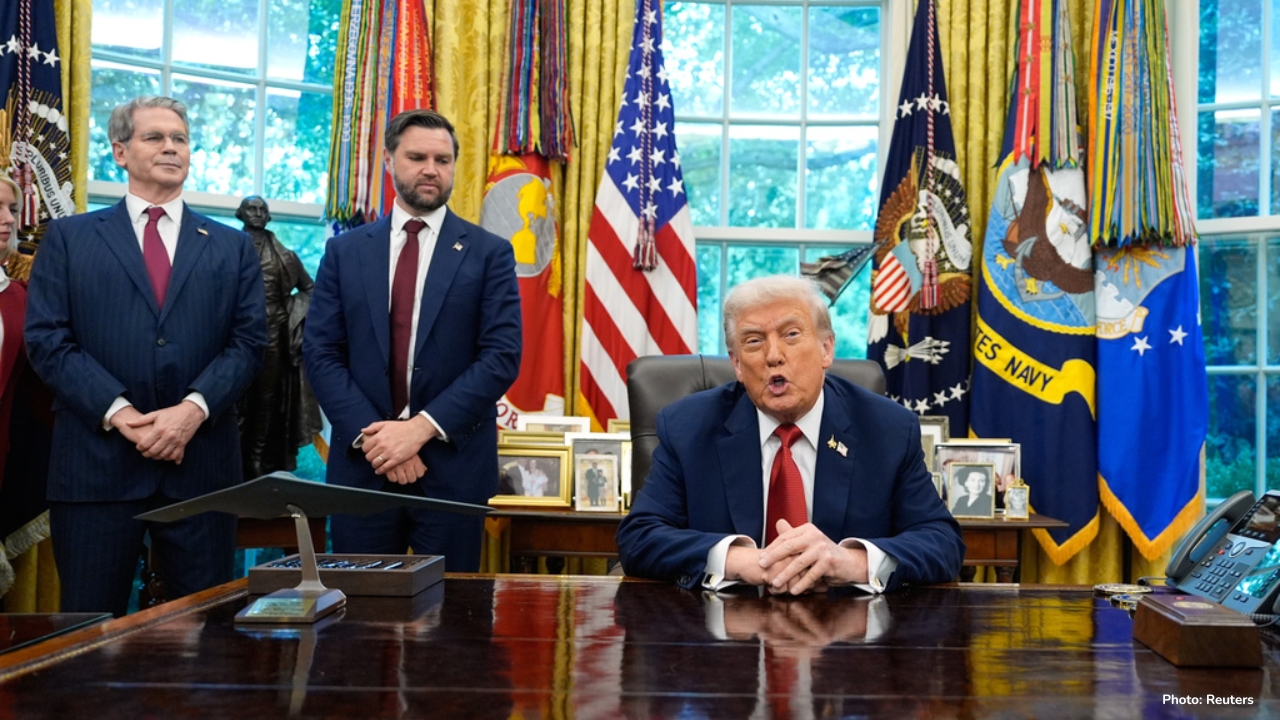
On September 25, 2025, U.S. President Donald Trump announced a new round of tariffs that will begin on October 1, 2025. A tariff is a kind of tax that a government puts on goods brought in from other countries. These new tariffs will cover heavy trucks, furniture, cabinets, and branded medicines. The announcement is part of Trump’s bigger plan to protect American factories, encourage more local jobs, and reduce the country’s reliance on imports.
The move is expected to spark strong reactions from foreign governments, business leaders, and American families. While the president and his team argue that the tariffs will protect U.S. workers and industries, many experts worry that these measures could lead to higher prices for consumers and new tensions in global trade.
- The New Tariff Rules in Detail
- Trump’s order places different tax rates on different goods. Here are the main ones:
- 25% tariff on heavy-duty trucks
- Imported trucks used for construction, shipping, and transport will now face this tax. This will make them more expensive in the U.S. market.
- Trump argued that foreign-made trucks have been “flooding” the market, hurting American truck makers like Peterbilt, Freightliner, and Kenworth.
- 50% tariff on kitchen cabinets and bathroom vanities
- Many of these cabinets are imported from Asia, especially China. Trump’s team says local cabinet makers cannot compete with the low-cost imports.
- 30% tariff on upholstered furniture
- This includes sofas, chairs, and other furniture with cushions. The U.S. furniture industry has struggled for decades as more production moved overseas.
- 100% tariff on branded and patented pharmaceuticals
- This is the biggest change. The rule doubles the cost of imported branded medicines unless the company is actively building or already constructing a manufacturing plant inside the U.S.
- Trump said, “If you are building here, you are welcome. If you are only selling here without making it here, you will pay.”
- Why Is Trump Doing This?
- Trump’s economic team argues that these steps are needed for three main reasons:
- Protecting U.S. jobs
- Factories in America have lost many jobs to other countries where wages are lower. Trump wants to bring back manufacturing jobs by making imports more expensive.
National security
The White House claims that being too dependent on foreign countries for things like trucks or medicines is risky. In times of crisis, the U.S. may not get enough supplies. Tariffs, they argue, will push companies to make these goods inside the country.
Trade fairness
Trump believes other countries take advantage of the U.S. by selling goods cheaply while blocking American products. He says tariffs are a way to “level the playing field.”
Impact on Heavy Trucks
The 25% tariff on heavy trucks will directly affect industries like shipping, logistics, and construction. Many of these companies buy trucks from Europe or Asia. With the new tax, they will either have to pay much more for foreign trucks or turn to American brands.
For U.S. truck makers, this could mean more sales. But for businesses that rely on imports, the cost of doing business may rise. That could also lead to higher costs for customers who use these services.
Impact on Furniture and Cabinets
The tariffs on cabinets (50%) and furniture (30%) are aimed at helping U.S. manufacturers. North Carolina, for example, used to be the center of American furniture making, but many jobs moved overseas. Supporters of the tariffs say this step could bring some of those jobs back.
However, customers buying new homes or renovating may see higher prices for furniture and cabinets. Some small businesses, like interior design firms and contractors, could also struggle if costs rise too quickly.
Impact on Medicines
The 100% tariff on branded drugs is the most controversial. Medicines are often expensive already, and doubling the price of imports could place extra pressure on patients, hospitals, and insurance companies.
Trump explained that the tariff is meant to push drug makers to build factories in the U.S.. He said the rule will not apply if the company has “broken ground” or started building a plant here. This is meant to encourage new investment in American pharmaceutical production.
Critics, however, warn that this could increase healthcare costs. Some fear that patients may struggle to afford vital medicines if companies pass the higher prices onto buyers.
How Will Trade Partners React?
Other countries are not likely to stay quiet. Nations that export trucks, cabinets, or medicines to the U.S. may file complaints at the World Trade Organization (WTO) or impose their own tariffs on American products in return.
The European Union, Japan, and Canada are major exporters of trucks and medicines to the U.S. They may see this as unfair. Such disputes can sometimes grow into larger trade conflicts, hurting both sides.
Legal and Policy Background
Trump used a law called Section 232 of the Trade Expansion Act of 1962 to justify the tariffs. This law gives the president power to impose tariffs for national security reasons. It is the same law Trump used during his first presidency to put tariffs on steel and aluminum.
Some experts believe these new tariffs may face legal challenges in U.S. courts or at the WTO. But for now, they will take effect on October 1, unless blocked by legal action.
Reactions in the U.S.
Business groups:
- Some manufacturing groups welcomed the decision, saying it will finally give U.S. companies a fair chance to compete.
- Retailers, drug companies, and trucking firms strongly opposed the move, warning it will raise costs for ordinary Americans.
Economists:
Many economists argue that tariffs act like a tax on consumers. While they may protect some jobs, they often lead to higher prices and can hurt the economy in the long run.
Politicians:
- Trump’s supporters in Congress praised the move as a bold step for U.S. workers.
- His critics said the tariffs are more about politics than real solutions and could backfire by raising inflation.
- What Does This Mean for American Families?
- For everyday people, the tariffs could mean higher prices on several items:
- Buying or renting a truck for business may become more expensive.
- Renovating a kitchen or bathroom could cost more because of pricier cabinets and furniture.
- Healthcare costs may rise if medicine prices go up.
On the other hand, if companies build more factories in the U.S., there may be new job opportunities in manufacturing and construction. This is part of Trump’s argument: short-term pain for long-term gain.
Possible Future Steps
Trump has signaled that this may not be the end of tariffs. He said his administration is reviewing other goods that could be taxed to protect U.S. industries. This could include electronics, automobiles, or other consumer products.
The long-term question is whether these policies will truly bring back jobs and factories or whether they will mainly raise costs for Americans while creating new trade battles.
President Trump’s decision to impose new tariffs on heavy trucks, furniture, cabinets, and branded medicines is one of his most dramatic economic moves since returning to office. He argues it will protect jobs, strengthen national security, and force companies to invest in the U.S.
But the tariffs also bring risks: higher consumer prices, upset trade partners, and possible legal challenges. The coming months will show whether these measures succeed in rebuilding American manufacturing or whether they create new economic problems at home and abroad.