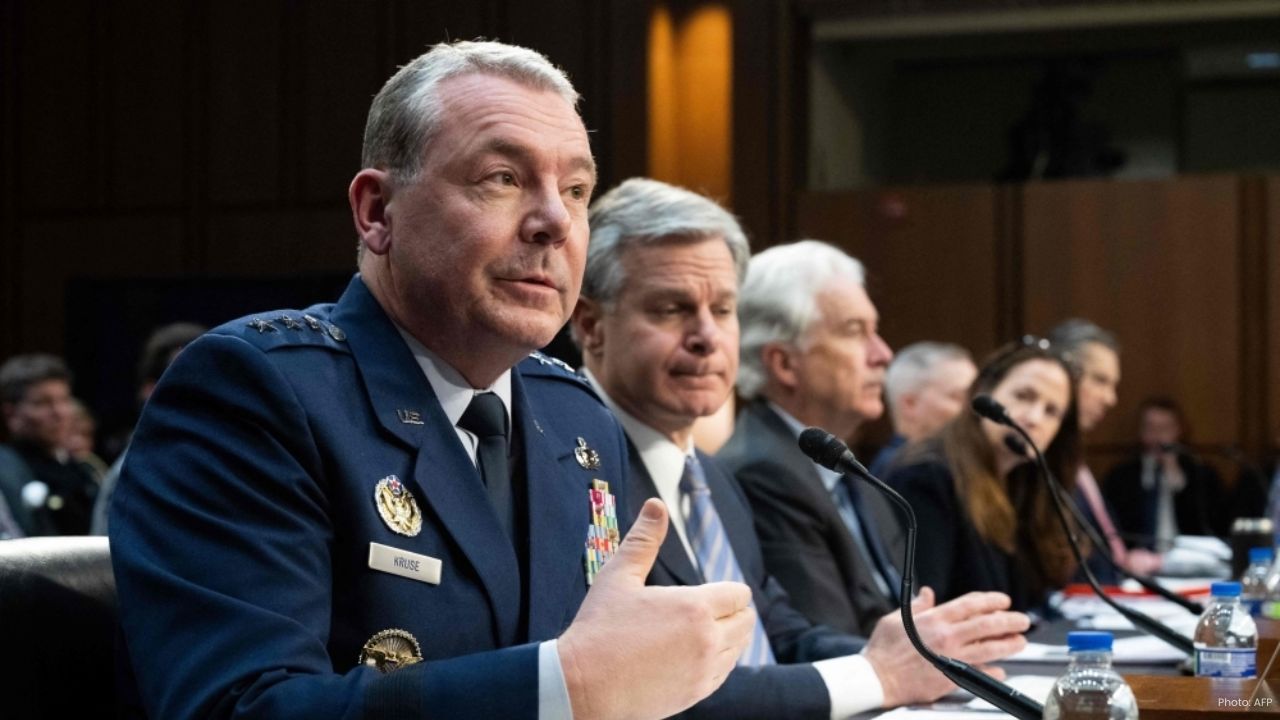
The United States has removed the head of its Defense Intelligence Agency (DIA), Lieutenant General Jeffrey Kruse, along with two other senior military officers, officials confirmed on Friday. This move marks the latest in a series of high-profile firings and leadership changes within the US military this year, sparking widespread discussion about the administration’s approach to military leadership and decision-making.
Lieutenant General Jeffrey Kruse, who has led the DIA since early 2024, will no longer serve as the agency’s director. His removal comes shortly after the agency produced a preliminary assessment of US airstrikes on Iranian nuclear facilities. The assessment concluded that the strikes had only delayed Iran’s nuclear program by a few months, rather than fully destroying the sites as claimed by President Donald Trump.
A senior defense official, speaking on condition of anonymity, confirmed Kruse’s departure but declined to provide a specific reason. Kruse is a veteran military leader with decades of experience in intelligence and military operations. Before he was appointed DIA director, he served as a military advisor for the director of national intelligence and also held a prominent role as director of intelligence for the coalition against the Islamic State (ISIS). His experience in intelligence and counterterrorism operations has been considered extensive, making his sudden removal even more notable.
Other Senior Officers Also Leaving
In addition to Kruse, two other high-ranking officers are stepping down. Vice Admiral Nancy Lacore, who serves as chief of the Navy Reserve, and Rear Admiral Milton Sands, commander of the Naval Special Warfare Command, will also be leaving their posts, according to US officials. While no official reasons were given for their departures, observers say these changes are part of a broader reshaping of senior military leadership under the current administration.
The removal of these officers comes amid growing tension within the military regarding the handling and interpretation of sensitive intelligence. Some experts suggest that these firings could have far-reaching implications for the functioning of the US armed forces and the morale of senior military leaders.
Background: The Iran Strikes
In June, the United States carried out a major military operation targeting three Iranian nuclear sites. The operation involved more than 125 aircraft, as well as a guided missile submarine. President Donald Trump described the strikes as a “spectacular military success,” claiming that they had “obliterated” Iran’s nuclear program.
However, the DIA’s preliminary assessment suggested a more measured outcome. According to the report, the strikes, while significant, only delayed Iran’s nuclear program by a few months and did not destroy the nuclear facilities. This assessment contradicted the president’s public statements and led to friction within the administration.
The release of this report to the media fueled tensions. Defense Secretary Pete Hegseth criticized the coverage, claiming that the report had been “leaked to muddy the waters” and undermine the perception of a successful military operation. He argued that the preliminary nature of the assessment was being misrepresented and that the media coverage was unfairly questioning the effectiveness of the strike.
A Broader Pattern of Military Firings
Kruse’s removal is not an isolated case. Since the beginning of President Trump’s second term in January, several top military officers have been dismissed or replaced without public explanations. Among those affected are:
-
General Charles “CQ” Brown, chairman of the Joint Chiefs of Staff
-
Heads of the Navy and Coast Guard
-
The general leading the National Security Agency
-
Vice Chief of Staff of the Air Force
-
A Navy admiral assigned to NATO
-
Three senior military lawyers
In addition, the Chief of Staff of the Air Force recently announced early retirement, stepping down just two years into a four-year term. These departures highlight a significant turnover in the top ranks of the US military, raising questions about continuity, experience, and stability within the armed forces.
Some officials and political commentators argue that these changes reflect a desire to place leaders who are aligned with the president’s priorities and vision. Supporters of the administration claim that the leadership reshuffle is necessary to ensure that the military operates under a clear and unified command that shares the administration’s strategic goals.
However, critics, including several Democratic lawmakers, have expressed concern about the growing politicization of the US military. They warn that frequent firings and leadership changes could undermine the independence and neutrality of the armed forces, which have historically maintained a nonpartisan stance.
Pentagon Leadership Cuts
Earlier this year, the Pentagon implemented a major reduction in the number of senior military leaders. The number of active-duty four-star generals and admirals was reduced by at least 20%, while the overall number of general and flag officers was cut by approximately 10%. These reductions were described as part of an effort to streamline military leadership and create a more efficient chain of command.
Experts have noted that such significant cuts in the upper ranks are unusual and may reflect the administration’s desire to promote loyalty and alignment with presidential priorities. While some military analysts view the cuts as a strategic move to modernize and streamline command structures, others worry that frequent removals, early retirements, and leadership reshuffles could disrupt the functioning of critical military operations.
Reactions and Concerns
The removal of top military leaders has drawn reactions from across the political spectrum. Supporters argue that the administration has the right to choose leaders who share its strategic vision and that ensuring a unified leadership team is essential for national security.
On the other hand, critics caution that removing experienced leaders based on disagreements over intelligence assessments could weaken institutional knowledge and diminish the ability of the military to respond to future crises effectively. Some defense analysts warn that such moves could send a chilling message to senior officers, discouraging them from providing candid intelligence assessments in the future.
The controversy over the Iran strike assessment demonstrates the delicate balance between military intelligence and political leadership. While military leaders are expected to provide honest evaluations of operations, differences between intelligence findings and political narratives can lead to tension and, in some cases, personnel changes.
The Bigger Picture
The ongoing changes in the US military’s top leadership reflect broader challenges facing the armed forces in maintaining stability, professionalism, and independence. As the administration continues to assert control over key positions, experts suggest that it is crucial to monitor how these leadership shifts affect military readiness, morale, and strategic planning.
International observers are also closely watching these developments. The credibility and decision-making of the US military play a critical role in global security, especially in regions like the Middle East, where tensions with Iran remain high. Analysts note that consistent leadership and clear communication between military intelligence and political leaders are essential for successful operations and international credibility.
The removal of Lieutenant General Jeffrey Kruse and other senior officers highlights the growing tension within the US military under the current administration. The controversy over the Iran strike assessment underscores the challenges that arise when intelligence findings conflict with political statements.
While supporters argue that these actions ensure leadership aligned with presidential goals, critics warn that frequent firings and early retirements could compromise the military’s independence and professional standards. Maintaining a balance between political leadership and military expertise will be critical to ensuring that the United States remains capable of effectively responding to both domestic and international security challenges.