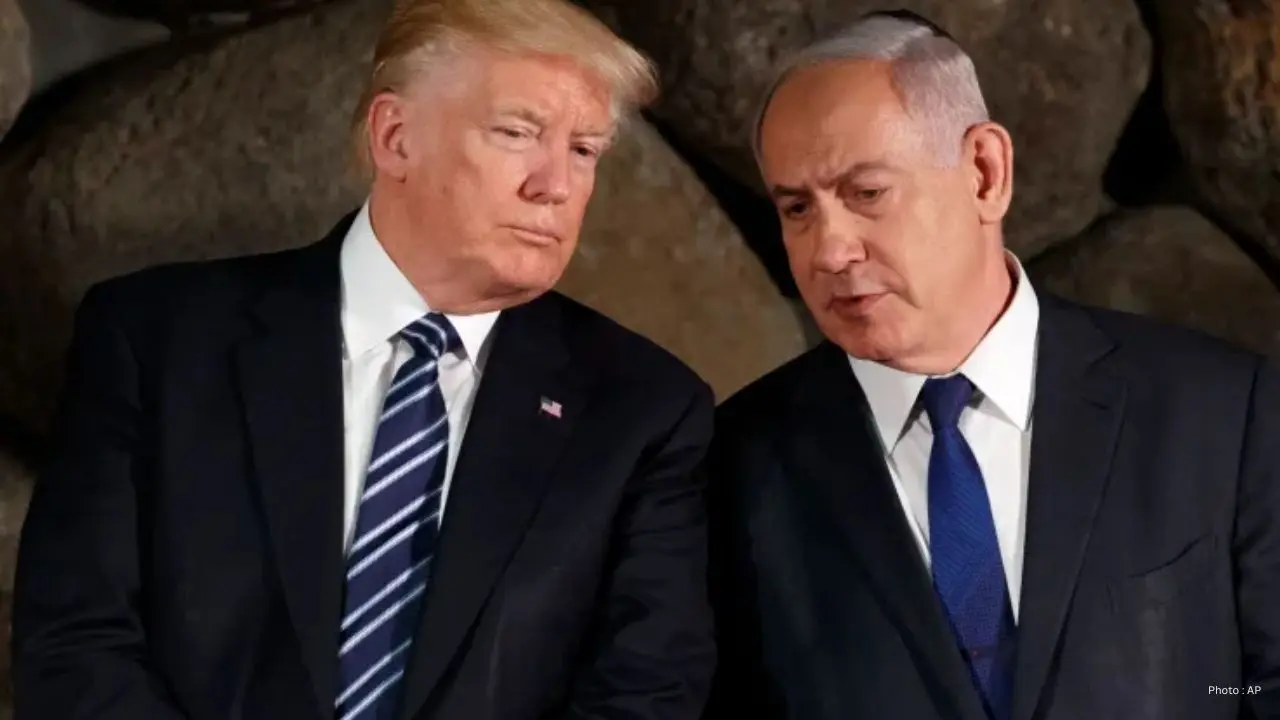
Political analysts and observers are increasingly warning about what they describe as the “normalisation of scandal” in both the United States and Israel, where repeated political controversies, corruption allegations, legal disputes, and wartime decisions are becoming a regular part of public life. Experts say the constant cycle of scandals and political crises has started reducing public shock and weakening accountability in both countries.
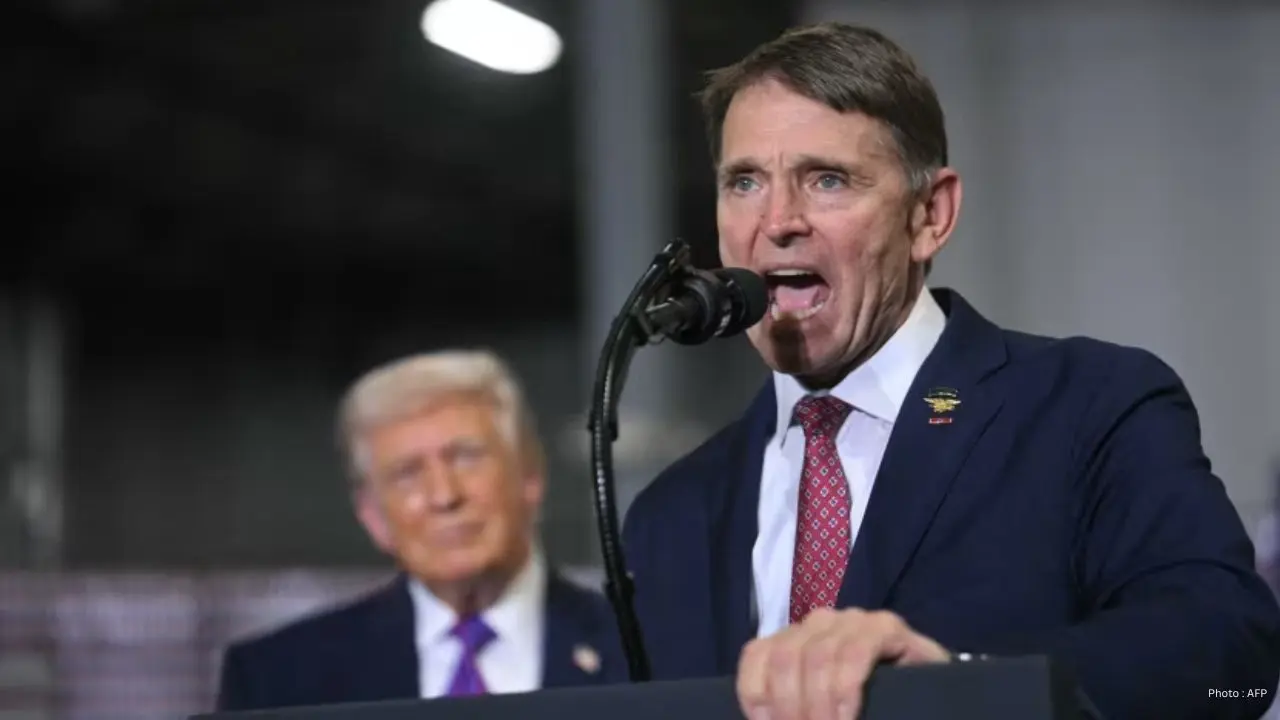
In the United States, the political environment has become deeply polarized over recent years, especially during and after Donald Trump’s presidency. Legal investigations, impeachment battles, election disputes, and intense political rhetoric have dominated American politics for years. Analysts say repeated controversies involving political leaders have created an atmosphere where scandals that once would have caused major national crises now often become temporary news events before public attention quickly shifts elsewhere.
At the same time, Israel has faced its own long-running political controversies connected to corruption investigations, judicial reforms, military operations, and internal divisions. Israeli Prime Minister Benjamin Netanyahu has spent years fighting corruption charges while remaining one of the country’s most powerful political figures. Critics argue that legal and political controversies surrounding leadership have increasingly become normalized within Israeli society.
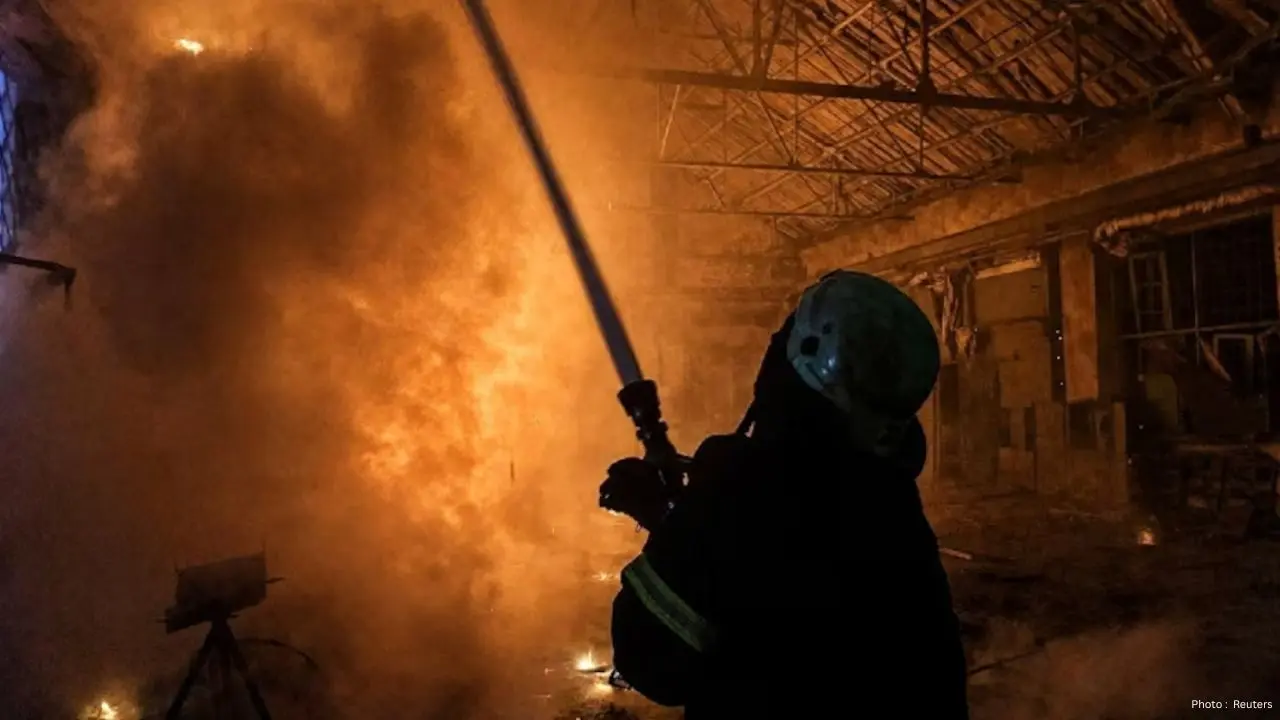
The ongoing war in Gaza has further intensified international debate around political accountability and public reaction. Human rights organizations, international legal experts, and foreign governments have repeatedly raised concerns about civilian casualties, humanitarian conditions, and military actions connected to the conflict. However, analysts say constant exposure to conflict-related controversy may be reducing political consequences for leaders involved in difficult wartime decisions.
Experts argue that modern media and social media environments are also contributing to the normalization of scandal. With nonstop news coverage, viral content, and political polarization dominating online discussions, many controversies quickly become part of a larger cycle of outrage, denial, and distraction. Analysts say this constant information flow can make even serious allegations feel temporary or routine to the public.
Some political scientists warn that the normalization of scandal can weaken democratic institutions over time. They argue that when repeated controversies no longer trigger strong public accountability, trust in political systems, courts, media organizations, and government institutions may gradually decline.
In both the United States and Israel, supporters of political leaders often dismiss criticism as politically motivated attacks rather than objective accountability efforts. This has created increasingly divided political environments where public opinion about scandals often depends more on political identity than on the facts themselves.
The issue has become especially visible during wartime and national security crises. In Israel, supporters of the government argue that national security threats require strong leadership and unity during conflict, while critics say wartime conditions should not prevent scrutiny of political decisions or humanitarian concerns. Similar debates have also appeared in the United States regarding foreign policy, military interventions, and executive power.
Analysts also point to the growing overlap between politics, media strategy, and public relations. Political figures today often respond to scandals not only through legal or institutional channels but also through direct communication with supporters on television, social media, and political rallies. This allows leaders to shape narratives quickly and maintain support even during major controversies.
The relationship between the United States and Israel further increases international attention on these issues. Washington remains Israel’s closest ally, providing military, diplomatic, and political support during ongoing regional conflicts. Critics argue that close strategic ties sometimes reduce external pressure regarding controversial decisions, while supporters say the alliance is necessary for regional security and stability.
Public opinion remains sharply divided in both countries. Some citizens believe intense media coverage unfairly exaggerates controversies for political reasons, while others fear that repeated scandals are gradually weakening democratic standards and public trust.
Observers say the broader concern is not just about individual controversies, but about how societies react to them over time. When scandals become expected rather than exceptional, experts warn that political accountability may become harder to enforce and public institutions could face growing skepticism from citizens.
As political divisions continue deepening in both the United States and Israel, debates surrounding leadership, accountability, media influence, and democratic norms are likely to remain central issues in both domestic and international politics.