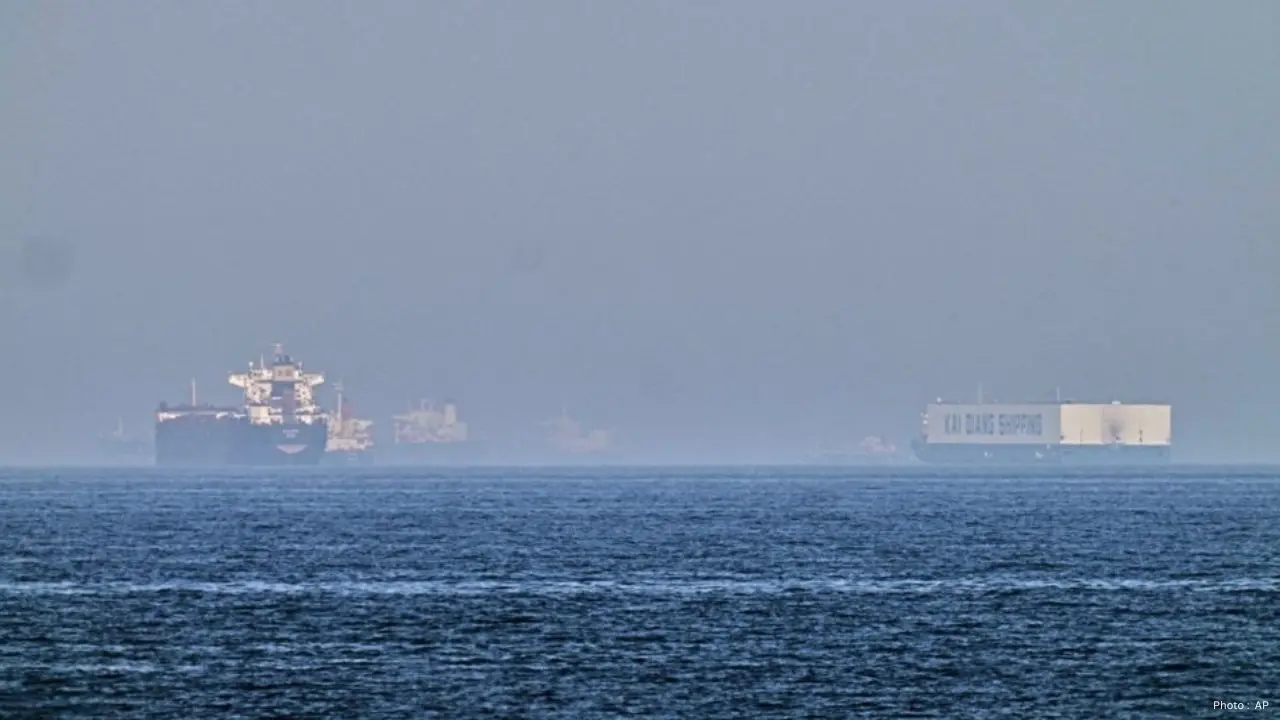
A recent military encounter between the United States and Iran in the Strait of Hormuz has sparked renewed fears of broader conflict in the Middle East, threatening both global oil supplies and international trade. This maritime route is vital, representing one of the world’s key energy channels.
About one-fifth of the world's oil shipments traverse the Strait of Hormuz daily, linking major Gulf oil producers to global markets. Disruptions here can swiftly affect fuel prices, shipping fees, and the overall economy.
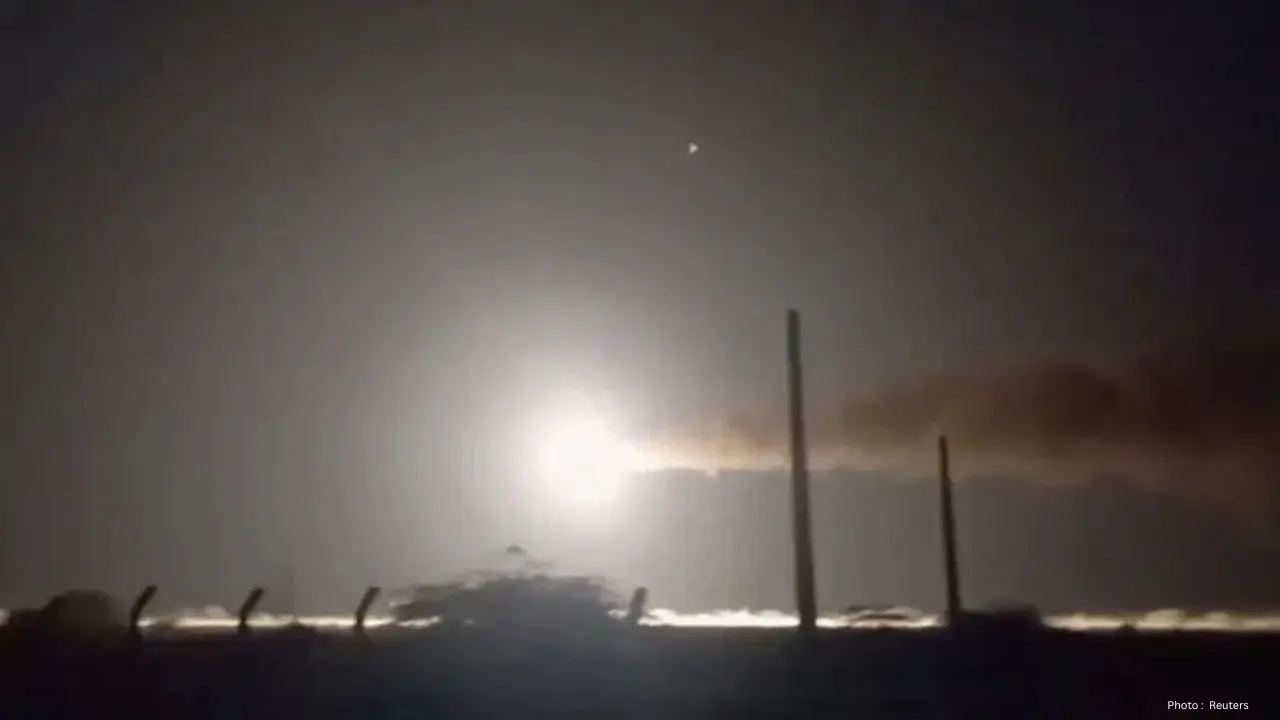
Reports indicate that US and Iranian military forces have engaged in movements near this strategic passageway. While both parties have made accusations, the specifics of the encounter remain dynamic. Any clash in this area is enough to alert the global community.
In response to the incident, oil markets reacted immediately, driven by concerns regarding potential supply interruptions. Crude prices typically rise when tensions mount in the Middle East, reflecting investors' fears concerning energy transport and production reliability.
The long-standing US-Iran tensions have revolved around nuclear issues, sanctions, military influence, and security in the region. Consequently, the Gulf has become one of the most delicate geopolitical landscapes globally.
Iran has consistently opposed foreign military activities in its vicinity, while the US claims to safeguard vital shipping corridors and ensure commercial vessels can operate safely. This inconsistency has led to recurring tensions and occasional military skirmishes.
Experts caution that the present circumstances are particularly precarious due to multiple ongoing conflicts in the region. An escalation between the US and Iran could threaten not only Middle Eastern stability but also necessitate wider global economic repercussions.
Countries reliant on oil imports are intently monitoring developments. Rising oil prices can accelerate inflation, inflate transportation costs, and ultimately impact prices of everyday goods worldwide.
International leaders are advocating for calm and urging both nations to restrain themselves from further escalations. Diplomacy is being promoted as vital to avert a larger military crisis.
The Strait of Hormuz remains a globally sensitive chokepoint; even minor incidents can instigate significant economic repercussions worldwide.
As the situation unfolds, the world watches closely to assess whether diplomatic efforts can mitigate conflict risks or if tensions may escalate further in the coming days.