The ongoing conflict between the United States, Iran, and Israel has reached new heights with ongoing military operations and heightened tensions throughout the Middle East. This escalation is prompting significant concern regarding the potential for a larger regional war that may jeopardize global security, energy resources, and diplomatic relations.
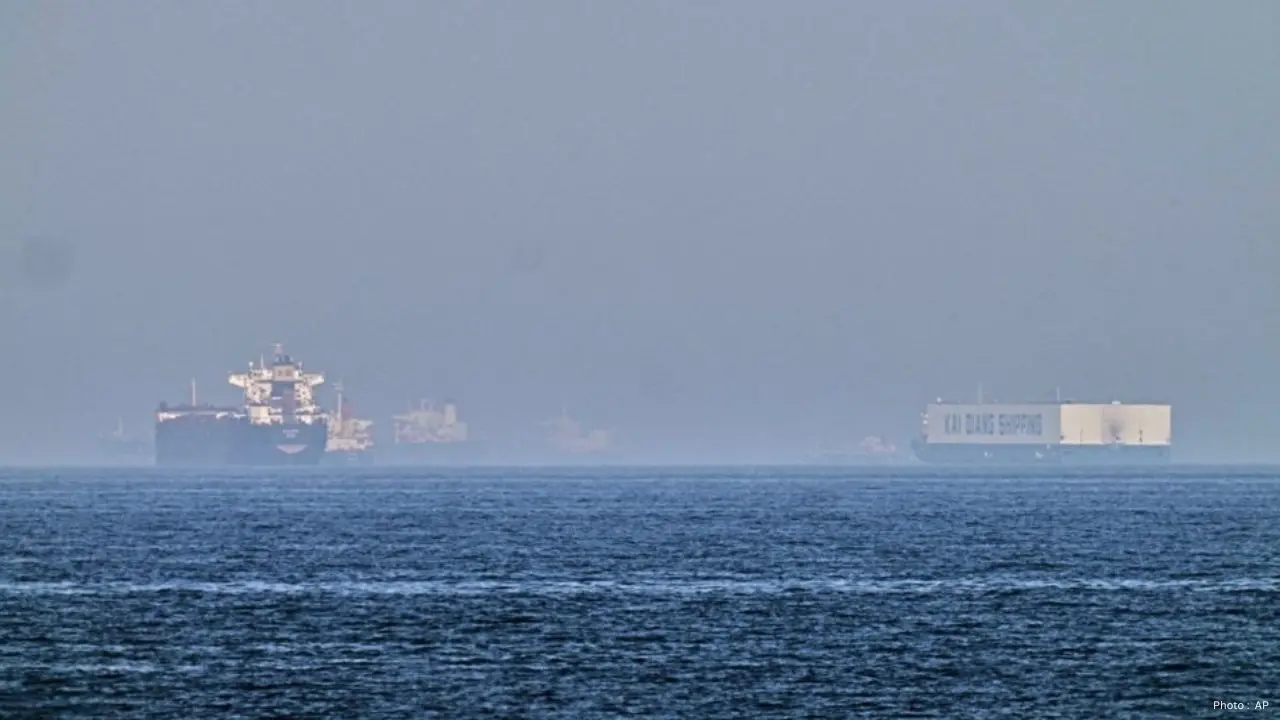
Recent days have seen a resurgence in hostilities, despite previous attempts at establishing ceasefires and diplomatic negotiations. Military engagements have transpired in various critical areas, notably in the Strait of Hormuz and surrounding Gulf territories, where crucial shipping channels remain vulnerable.
As one of the world’s most vital waterways, the Strait of Hormuz is a key transit point for a significant portion of global oil shipments. Any disruption in this region is likely to have immediate repercussions on fuel costs, trade logistics, and worldwide economic stability, underscoring the scrutiny by global leadership on the ongoing conflict.
The protracted tensions between the United States and Iran center around nuclear negotiations, regional authority, and military deployments within the Middle East. Israel's involvement has further complicated the landscape, as it conducts strikes and encounters retaliatory actions from Iranian-affiliated groups.
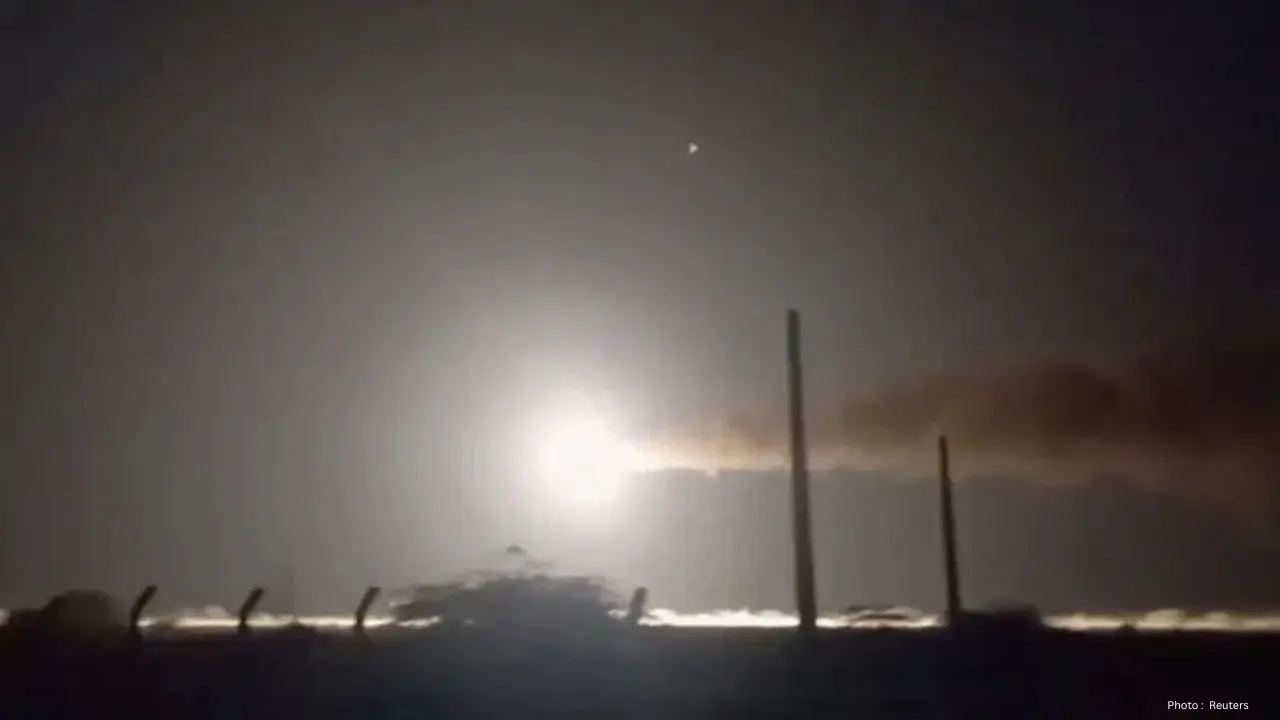
Despite some diplomatic initiatives and brief lulls in fighting, the situation on the ground continues to be precarious. Reports of missile strikes, drone engagements, and naval confrontations persist in several vulnerable areas, complicating peace efforts significantly.
Civilians in the impacted regions are enduring escalating dangers. Damage to essential infrastructure, everyday life disruptions, and increasing insecurity compound humanitarian crises. Aid organizations caution that an extended conflict could exacerbate hardships for millions living in these affected areas.
Global financial markets are responding sharply to these escalating tensions. Oil prices exhibit fluctuations amid concerns about supply disruptions, while logistics companies are rerouting shipments to sidestep heightened-risk zones. This has led to increased trade costs and inflation worries in numerous nations.
Political analysts assert that the current atmosphere reflects a precarious moment in Middle Eastern geopolitics, where numerous conflicts intertwine and amplify instability. The engagement of major global powers adds layers of complexity to the pursuit of sustainable peace.
International authorities continue to advocate for restraint and renewed diplomatic efforts to stave off further conflict escalation. However, mistrust among the involved factions remains high, with mutual accusations of breaching agreements and escalating hostilities continuing to surface.
The United Nations and various nations have urged immediate measures to lower tensions, safeguard civilians, and secure safe transit for commercial shipping. Yet, military activities remain prevalent on the ground.
Experts contend that without tangible progress in diplomatic negotiations, the potential for a broader conflict will only increase. The Middle East remains a volatile region, where minor incidents could swiftly spiral into significant confrontations among multiple states.
As the situation evolves, the world's attention is firmly fixed on whether diplomacy can avert greater escalation or if the region is moving toward an intensive and enduring conflict.