Global scientists are raising alarms about climate change emerging as a significant threat to plant life on Earth. While discussions surrounding global warming often spotlight vulnerable animals, researchers now contend that plants could be facing an even more dire extinction scenario in the years to come. A comprehensive international study in the journal Science forecasts that tens of thousands of plant species may vanish by century's end if rising temperatures remain unchecked.
The research indicates that 7% to 16% of the world's plant species could lose nearly all their habitats within the next 55 to 75 years. Under moderate climate change, an estimated 35,000 to 50,000 plant species are at risk of extinction—a number that may climb higher if greenhouse gas emissions continue to soar.
Led by ecologist Xiaoli Dong and her team at the University of California Davis, the study employed cutting-edge climate and biology models to assess the potential effects of global warming on approximately 18% of the world's recognized plant species. Millions of simulations were conducted to project plant behavior in the face of rising temperatures and evolving weather patterns across various regions.
Previous assumptions suggested that many plants might migrate to cooler areas as temperatures climbed, facilitated by seeds dispersed via wind, water, and animals. However, the recent findings reveal that for many species, migration may not suffice. Dong pointed out that the environmental conditions essential for plant survival could entirely vanish due to climate change.
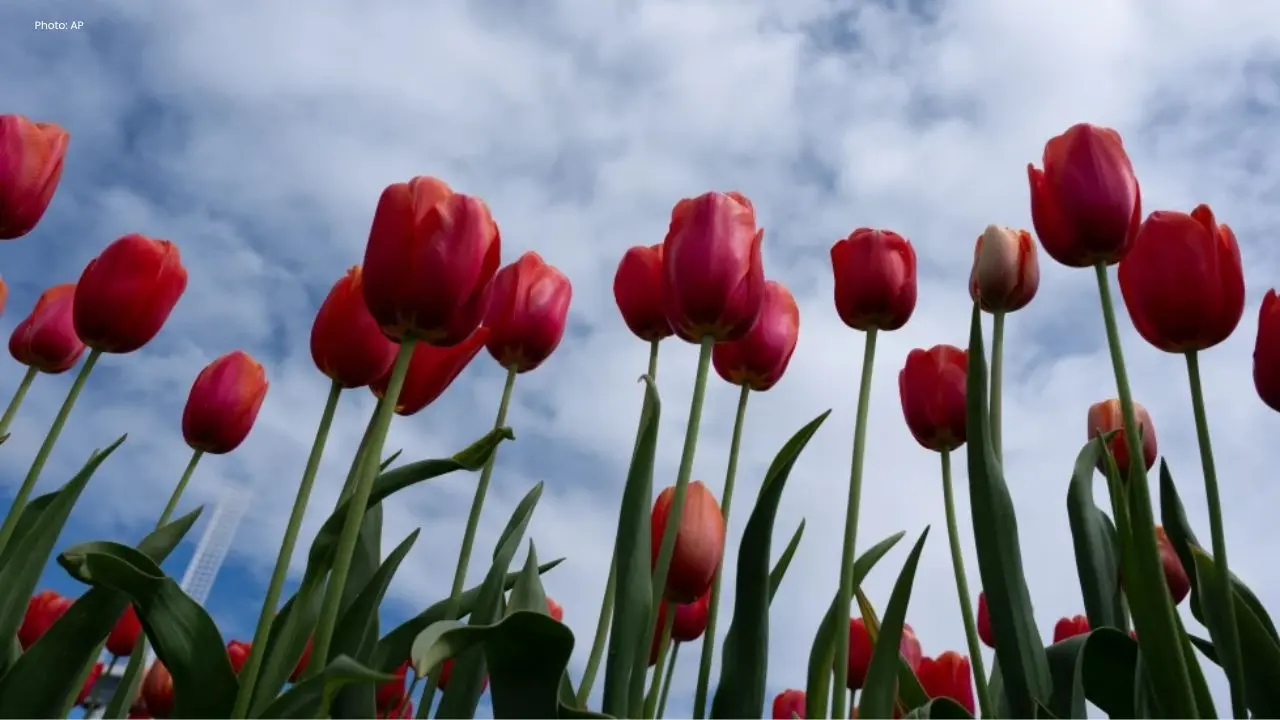
Using tulips as an illustrative case, the researchers highlighted emerging challenges. Tulips need precise soil, rainfall, and temperature conditions to thrive. Climate change is disrupting these elements—shifting temperatures northward and altering rainfall patterns while leaving soil conditions unchanged. This has resulted in smaller and less accessible habitats for specific plant types.
The report underscores that regions like the Arctic, Mediterranean, and Australia are particularly vulnerable. Scientists indicate that the Arctic is warming at nearly four times the global average, significantly impacting fragile plant ecosystems. Meanwhile, in Australia, changing rainfall has emerged as a primary driver of habitat loss for numerous native species.
A companion study released with the climate report examined flowering plants facing extinction. Researchers from Kew Gardens in the UK found that nearly 10,000 species of flowering plants are already threatened. They cautioned that many of these species possess unique evolutionary traits, and their loss would erase vital components of Earth's biological history.
This study highlights rare plants like the titan arum, known as the world's smelliest plant, and distinct orchid species that naturally produce vanilla. Some of these species have no close relatives, making their extinction even more alarming for biodiversity. One such example is the ancient Ginkgo biloba tree, a testament to hundreds of millions of years of plant evolution.
Despite plants being less frequently spotlighted compared to endangered animals, experts assert that this oversight poses serious consequences, as plants are foundational to ecosystems and human existence. They provide essential resources like oxygen, food, medicine, and materials. Scientists caution that continued plant biodiversity loss could threaten global food security and access to critical resources. Environmental advocates are calling for immediate international action to curb carbon emissions and enhance conservation efforts before irreversible harm is inflicted.