Unraveling the Mysteries of Hair Loss: When Oils Fail to Deliver
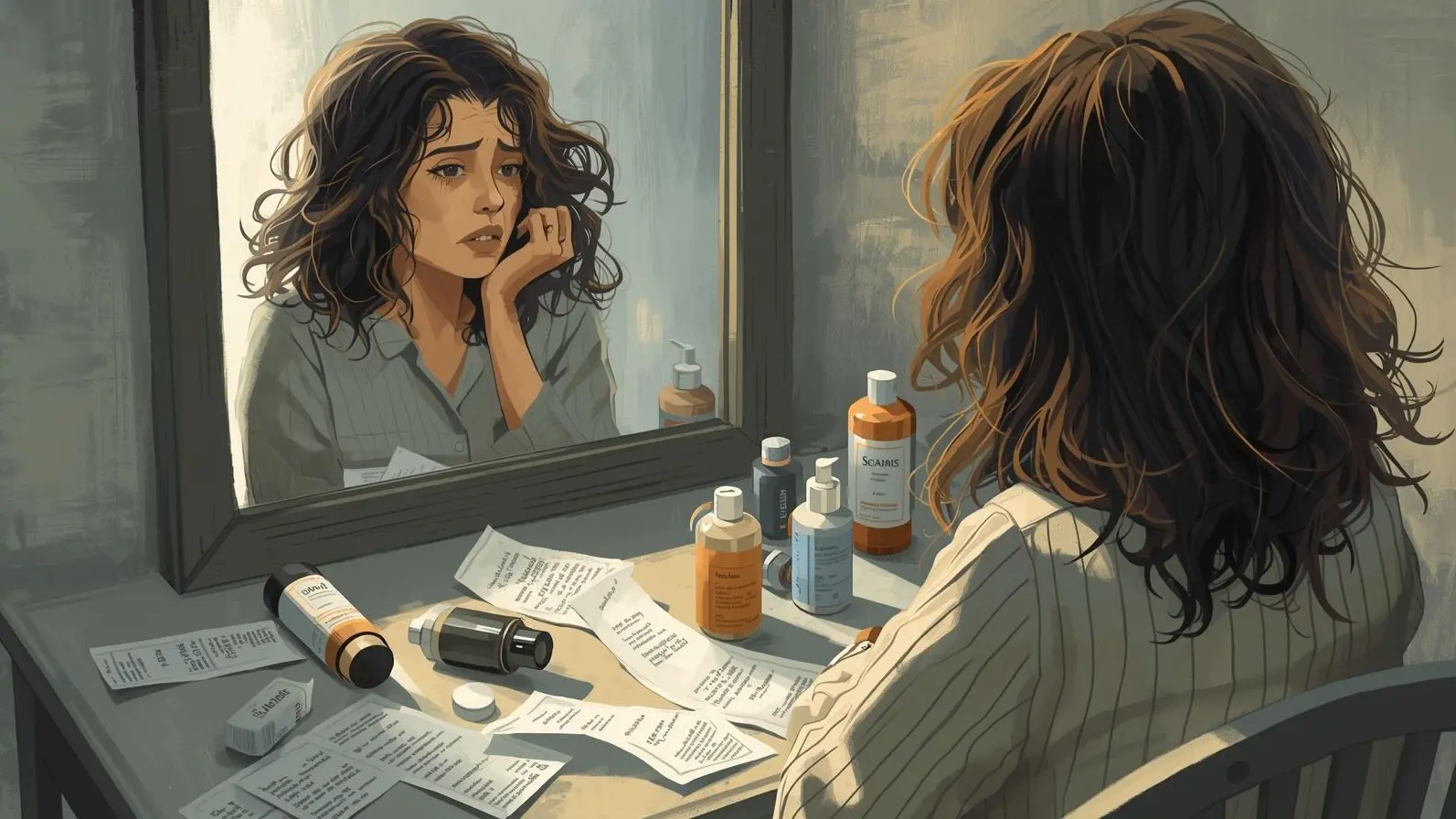
If you've diligently used oils, serums, and treatments but still notice that your hair continues to fall out, the root of the issue may not lie in those products. As we approach 2026, resistant hair fall remains one of the most frustrating challenges for many. The perception is that nothing is working, but often the solution is inside your body, under the scalp, or linked to daily habits. While oils and serums can nurture hair externally, they can't correct issues arising from within.
This article identifies why your hair may neglect outside treatments and offers insight into how to address the fundamental causes before investing in more products.
Why Oil Treatments Often Fall Short
Hair oils and serums typically operate on a superficial level.
What topical applications can achieve
-
Enhance scalp moisturization
-
Minimize dryness and damage
-
Introduce shine and softness
-
Temporarily boost blood flow via massage
What they fail to resolve
-
Address nutritional gaps
-
Regulate hormonal imbalances
-
Lessen the effects of chronic stress
-
Resolve internal absorption problems
-
Counteract intrinsic inflammation
If hair continues falling despite appropriate scalp care, the cause is usually systemic rather than cosmetic.
Step One: Determine Your Hair Loss Type
Identifying the type of hair loss is crucial before seeking solutions.
Telogen effluvium
This represents today's leading cause for abrupt hair shedding. It typically occurs when factors such as stress, health changes, crash diets, or hormonal shifts propel hair into the shedding stage.
Key indicators include:
-
Unexpected intense hair shedding
-
Loss from the roots
-
Uniform thinning across the scalp
-
Commonly begins 2-3 months post-trigger
Oils on their own will not resolve this.
Nutritional deficiency-induced hair loss
Lack of essential nutrients can weaken hair.
Signs include:
-
Slowed regrowth with thinning hair
-
Brittleness of hair strands
-
Higher breakage rates
-
General fatigue accompanying hair loss
Hormone-related hair loss
Hormonal irregularities can negatively impact folic health.
Common culprits include:
Hereditary hair thinning
This often demands medical intervention. While oils may benefit scalp wellness, they won't halt progression alone.
Chronic Stress: The Overlooked Factor
Stress stands out as the primary reason behind ineffective oil and serum treatments.
The impact of stress on hair follicles
The confusion of stress-related hair loss
Hair loss may manifest weeks or months post-stressor, which can lead to overlooked connections.
Is Your Diet Really Benefiting Your Hair?
Many insist they eat a balanced diet but might still miss hair-nourishing nutrients.
Protein insufficiency is alarmingly frequent
As hair consists mainly of keratin, inadequate protein intake results in:
Lack of iron and B12
These nutrients are vital for oxygen transport and follicle vitality.
Symptoms could manifest as:
Challenges with nutrient absorption
A seemingly healthy diet can be ineffective if:
-
Gut health is compromised
-
Digestion processes are sluggish
-
Meal patterns are erratic
This may also account for supplement failures.
Blood Sugar Fluctuations and Hair Shedding
Regular sugar spikes can disrupt hair development more than expected.
How inconsistent blood sugar impacts hair
Sleep Quality: The Unseen Regenerative Factor
Restoration of hair occurs during sleep.
Why inadequate sleep disrupts regrowth
-
Decreased melatonin synthesis
-
Heightened stress hormones
-
Insufficient overnight healing
Screen time before bed directly harms hair health.
Excessive Screen Time: A Hidden Hair Hazard
A tech-driven lifestyle fosters constant stimulation of the nervous system.
Consequences of screen exposure on hair
-
Elevated mental stress
-
Reduced physical activity
-
Poor posture that affects blood flow to the scalp
-
Disrupted sleep rhythms
Oils alone cannot mitigate these effects.
Scalp Issues That Require More than Topical Care
Certain scalp problems necessitate medical or internal solutions.
Common concealed scalp conditions
-
Chronic dandruff or fungal conditions
-
Inflammation surrounding hair follicles
-
Excess oil clogging follicles
While serums might offer temporary relief, they won't resolve the underlying issues.
Product Overuse: A Potential Downside
Utilizing numerous products can exacerbate hair loss.
Indicators of product overload
-
Greasy buildup on the scalp
-
Itching or sensitivity
-
Noticeable hair loss following application
-
Buildup on the scalp
Hair thrives on balance, not an excess of treatments.
Essential Checks Before Switching Products Again
Get fundamental health markers evaluated
Honestly reassess stress levels
The impact of daily stress outweighs infrequent stress spikes.
Analyze dietary consistency
Hair flourishes with consistency over time, not simply from periodic healthy meals.
Review your sleep regimen
High-quality sleep is vital for hair restoration.
How to Actually Combat Persistent Hair Loss
Prioritize internal corrections
Be deliberate in stress management
Simplify your hair care routine
Enhance circulation to the scalp
-
Incorporate gentle scalp massages
-
Maintain regular physical activity
-
Avoid tight hairstyles
Good circulation ensures healthy follicle nourishment.
When to Seek Professional Guidance
Consider consulting a dermatologist if:
-
Hair fall persists beyond 3-4 months
-
There’s noticeable patchy hair loss
-
Visible thinning density
-
The rate of hair loss escalates
Timely assessments can avert lasting follicular damage.
Understanding Hair Loss as a Health Indicator
Hair reacts promptly to disturbances within the body, be it stress, nutritional, or hormonal fluctuations. Disregarding these signals and continuously depending on products delays actual recovery.
Final Thoughts: Move Beyond Surface Treatments
If oils or serums aren't solving your hair fall problems, this highlights the true issue. The key is not to reach for another product—but to comprehend what your body might be lacking or battling.
Once your inner balance is restored, external remedies can finally prove effective.
For truly healthy hair, the journey begins within.
Disclaimer
This article serves merely as informational and should not replace thorough medical or dermatological consultations. Hair fall reasons vary greatly among individuals based on health, genetic factors, and lifestyle. For continued or severe hair loss, consult a qualified healthcare or hair specialist for a comprehensive evaluation and treatment.