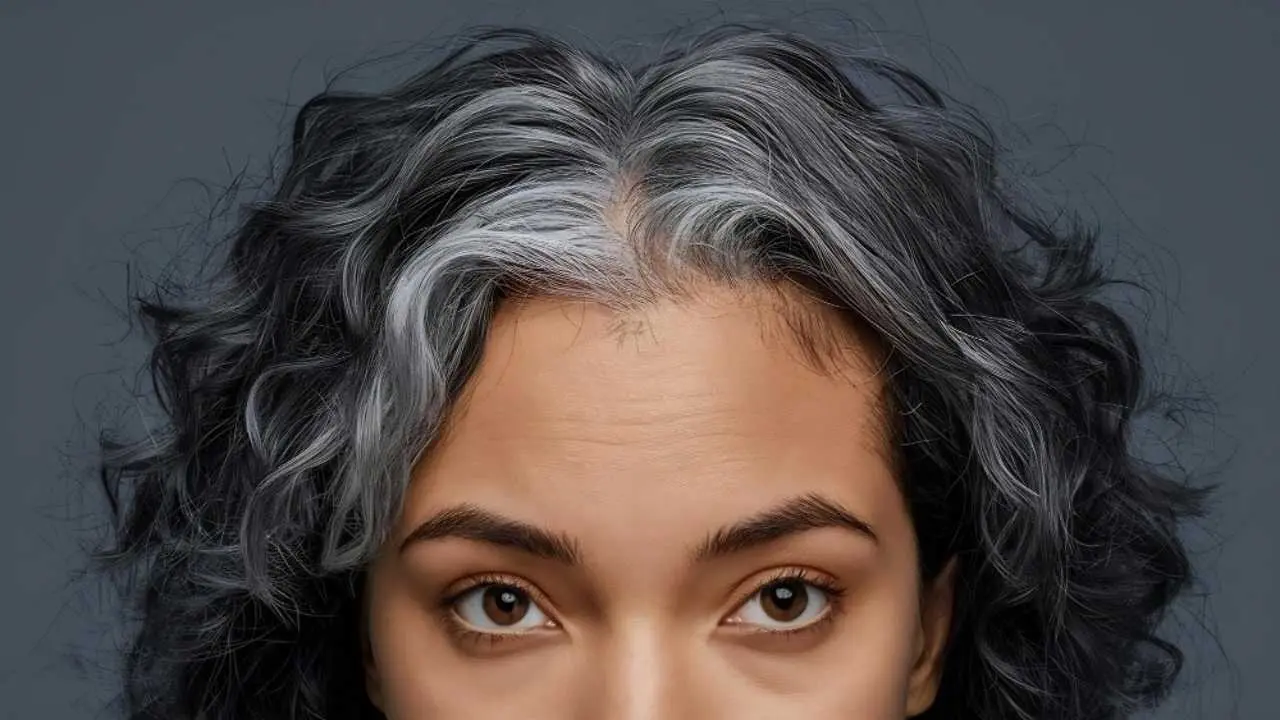
Understanding Early Grey Hair: Causes and Solutions
For most, grey hair is a sign of aging, typically making its appearance in the 40s or 50s. However, an increasing number of young adults and even students are spotting grey strands sooner than anticipated. This can be both perplexing and concerning, but early greying is quite common and can stem from various factors, including genetics, lifestyle, health conditions, and daily habits.
To grasp why some individuals experience premature greying, it's essential to understand how hair color develops. Each strand emerges from tiny openings in the scalp known as follicles, which contain pigment cells responsible for producing melanin, the dye that gives hair its color. When these pigment cells begin to slow down or cease functioning, hair grows in grey or white. For some, this process commences ahead of the usual timeline.
Below is an in-depth overview of the common reasons behind early grey hair and what you can do to manage it effectively.
1. Genetics: The Primary Factor
Genetics plays a crucial role in the timing of when grey hair appears. If your parents or grandparents went grey young, you might be predisposed to the same fate.
Why genetics matter:
In these instances, early greying is not influenced by lifestyle choices or dietary habits; it is simply a part of one’s genetic disposition.
2. Stress: A Catalyst for Greying
Today's fast-paced world is rife with stress from academics, work, relationships, and emotional challenges. Studies suggest that chronic stress may negatively impact melanin-producing cells.
Effects of stress on hair:
While stress doesn’t turn hair grey overnight, it can expedite the greying process.
3. Nutritional Deficiencies
Just like the rest of your body, hair requires proper nutrition. A lack of essential vitamins and minerals may weaken pigment cells and stop them from producing color.
Key nutrients for maintaining hair color include:
-
Vitamin B12
-
Vitamin B6
-
Iron
-
Copper
-
Folate (Vitamin B9)
Individuals who skip meals or adhere to strict diets are more susceptible to early greying due to these shortages.
4. Thyroid Issues Affect Hair Color
The thyroid gland is pivotal in regulating hair growth and pigmentation. Conditions like hypothyroidism or hyperthyroidism can disrupt the normal hair coloring process.
Signs of thyroid-related greying include:
-
Hair may become thin, coarse, or brittle.
-
A sudden increase in grey strands.
-
Symptoms like fatigue, weight fluctuations, and cold extremities.
If these symptoms accompany early greying, consider getting a thyroid check.
5. The Impact of Smoking on Pigment Cells
Smoking is associated with accelerated aging of both skin and hair. Research indicates that smokers are more prone to develop grey hair prematurely.
Smoking affects hair color because it:
-
Restricts blood circulation to hair follicles.
-
Harms pigment cell health.
-
Speeds up the aging process overall.
Even second-hand smoke exposure can negatively impact hair color.
6. Styling Products and Heat Damage
Chemical hair dyes, bleaching agents, straighteners, and curling tools can damage hair over time. Frequent use may also harm the scalp and impair melanin production.
Consequences of chemical and heat damage consist of:
Using these products sparingly is acceptable, but frequent application can lead to early greying.
7. Autoimmune Conditions
Certain autoimmune disorders can trigger early greying, where the body wrongly attacks its own pigment or hair cells.
Examples include:
Such conditions may need medical intervention and can't be managed via home treatments alone.
8. Contributing Lifestyle Habits
Several daily habits also play a role in early greying. These include:
When the body lacks proper rest and nutrition, hair health often suffers first.
Can Early Grey Hair Be Reversed?
Reversal depends on the underlying cause of greying.
If genetic, greying typically cannot be reversed.
Once pigment cells cease functioning due to genetic reasons, they generally do not return to their original state.
However, if greying relates to stress, diet, or lifestyle, improvements might be achievable.
Recommended steps include:
-
Incorporating foods rich in B vitamins, iron, and copper.
-
Reducing stress through meditation, exercise, and hobbies.
-
Ceasing smoking.
-
Minimizing harsh styling products.
-
Opting for gentle, nourishing hair care items.
-
Considering supplements after medical consultation.
Frequent hair oiling and scalp massages can also enhance blood circulation and promote healthier hair growth.
Foods Beneficial for Hair Color Preservation
Incorporating these foods may assist in sustaining or decelerating melanin loss:
These foods are packed with vitamins and minerals that nourish hair from the inside out.
Early greying of hair is not a reason to be embarrassed or anxious. It can occur to anyone due to genetics, health issues, lifestyle, or nutritional deficiencies. The key is to recognize the cause and take appropriate action for hair care.
Grey hair does not define your beauty or age. With adequate nutrition, sufficient rest, and healthy practices, you can maintain strong, shiny, and vibrant hair—regardless of its hue.
Disclaimer
This article provides general insights into the possible causes of early grey hair. It should not replace medical advice, diagnosis, or treatment. If you notice sudden or excessive greying, hair loss, or other concerning symptoms, consult a qualified healthcare provider or dermatologist. Individual circumstances differ, so it's important to seek professional advice before making changes to health or hair-care routines.