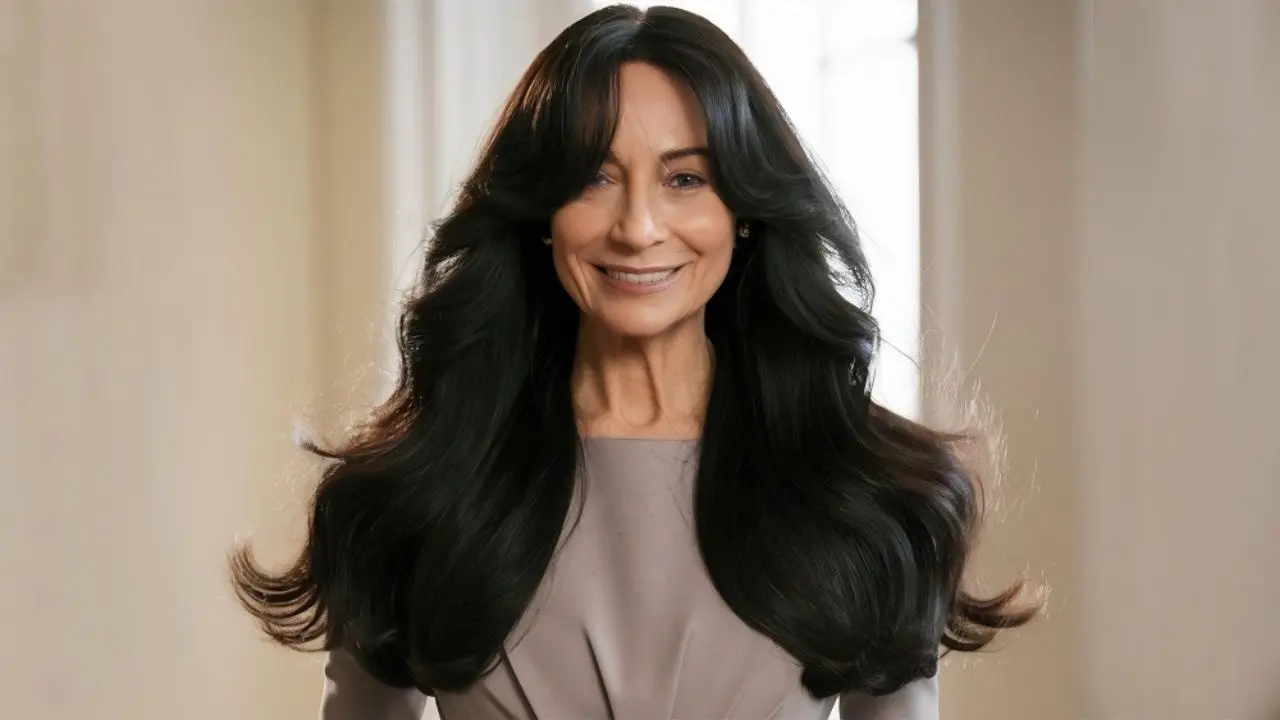
Why Some People Maintain Their Natural Hair Color
While grey hair is generally associated with aging, individuals often notice it in their 30s or 40s—and some even earlier. Yet, there are those who seem to age gracefully without any sign of grey hair, leading many to question why.
This phenomenon is influenced by a mix of factors, including genetics, health, lifestyle choices, and environmental influences. Some factors are beyond control, whereas others depend on daily habits, explaining why the onset of greying varies among people.
The Role of Melanin in Hair Color
Hair gets its pigmentation from a substance known as melanin, produced by specific cells in the hair follicles. When these cells perform optimally, hair typically remains in its natural shade.
Over time, these cells gradually reduce melanin production. As melanin declines, hair begins to turn grey or white, though this timeline is different for everyone.
Genetic Influence on Hair Color
Genetics plays a pivotal role in determining who develops grey hair and when. If parents or grandparents kept their hair color well into their senior years, it’s likely so will their offspring.
Key genetic influences include:
Some individuals possess genes that allow prolonged melanin production—a trait unalterable by treatments.
Melanin's Longevity in Hair
For individuals who seldom grey, melanin-producing cells remain operational into advanced age, allowing their hair to retain its color longer.
As a result:
This process is purely natural and unchangeable.
Health's Impact on Hair Color
Individuals who maintain good health are likely to experience fewer early signs of aging, including grey hair. Robust health promotes adequate blood circulation, nutrition, and cellular repair.
Healthy living can:
Those who consume nutritious foods, remain active, and avoid frequent illnesses generally enjoy better hair health.
Stress and Hair Health
While stress isn't a direct cause of grey hair, chronic stress can lead to long-term cellular damage, including that of melanin-producing cells.
Individuals who manage stress effectively may:
This observation explains why calm individuals often retain their hair's original color longer.
Nutrition's Influence
Proper nourishment is vital for hair health. Poor eating can weaken hair follicles and disrupt melanin production.
Essential nutrients include:
-
Vitamin B12
-
Iron
-
Copper
-
Protein
Individuals consuming adequate nutrients are less likely to experience early greying due to deficiencies, although genetics also plays a significant role.
Hormonal Balance
Hormonal levels play an essential role in regulating hair growth and color. Some individuals have a natural hormonal stability that favors long-lasting hair color.
Balanced hormones contribute by:
-
Slowing the aging of hair
-
Keeping color-producing cells active
-
Preventing abrupt greying
Hormonal variations differ for everyone and are natural.
Impact of Unhealthy Habits
Smoking and other detrimental habits accelerate aging. Smoking particularly hampers scalp circulation and can lead to premature greying.
Individuals who abstain from smoking and excessive alcohol consumption tend to have:
This could be why some people appear younger, including their hair.
Can Grey Hair Be Prevented?
The straightforward answer is no. Due to genetics being the primary influence, not everyone can entirely prevent grey hair. While hair dye can disguise grey, it cannot halt the natural process.
Nevertheless, healthy practices can:
Understanding Grey Hair and Health
Grey hair is not an indicator of ill health. It's a natural process experienced by many healthy individuals, while those in poor health might not show their age through hair color.
The leading factor in why certain people never experience grey hair is their genetics, allowing sustained melanin production. Coupled with good health, balanced nutrition, minimal stress, and healthy habits, they can maintain their hair's natural color.
Ultimately, grey hair is entirely normal. Its appearance is influenced largely by individual genetic makeup. Focus on overall health rather than fretting over hair color for a more fulfilling approach.
Disclaimer
This article provides general information and should not replace professional medical advice. Aging and hair color changes vary based on genetics and lifestyle. Consult with a healthcare professional for specific concerns regarding hair health.