The United Arab Emirates is moving to accelerate development of a new energy pipeline project designed to reduce the country’s dependence on the strategically sensitive Strait of Hormuz shipping route. The decision comes as regional tensions and security concerns continue affecting global oil transportation and maritime trade across the Gulf region.
According to regional energy reports, UAE officials are increasing efforts to expand alternative export infrastructure that would allow more crude oil shipments to bypass the Strait of Hormuz entirely. The narrow waterway remains one of the world’s most important energy routes, with a significant percentage of global oil exports passing through it every day. Any disruption in the area can quickly affect international energy prices and global supply chains.
The UAE already operates the Abu Dhabi Crude Oil Pipeline, which transports oil from inland production facilities to the port of Fujairah on the Gulf of Oman. Because Fujairah lies outside the Strait of Hormuz, the route allows oil exports to continue even during periods of heightened maritime tension inside the Gulf. Officials are now reportedly working to expand the system further and improve export capacity as geopolitical uncertainty continues across West Asia.
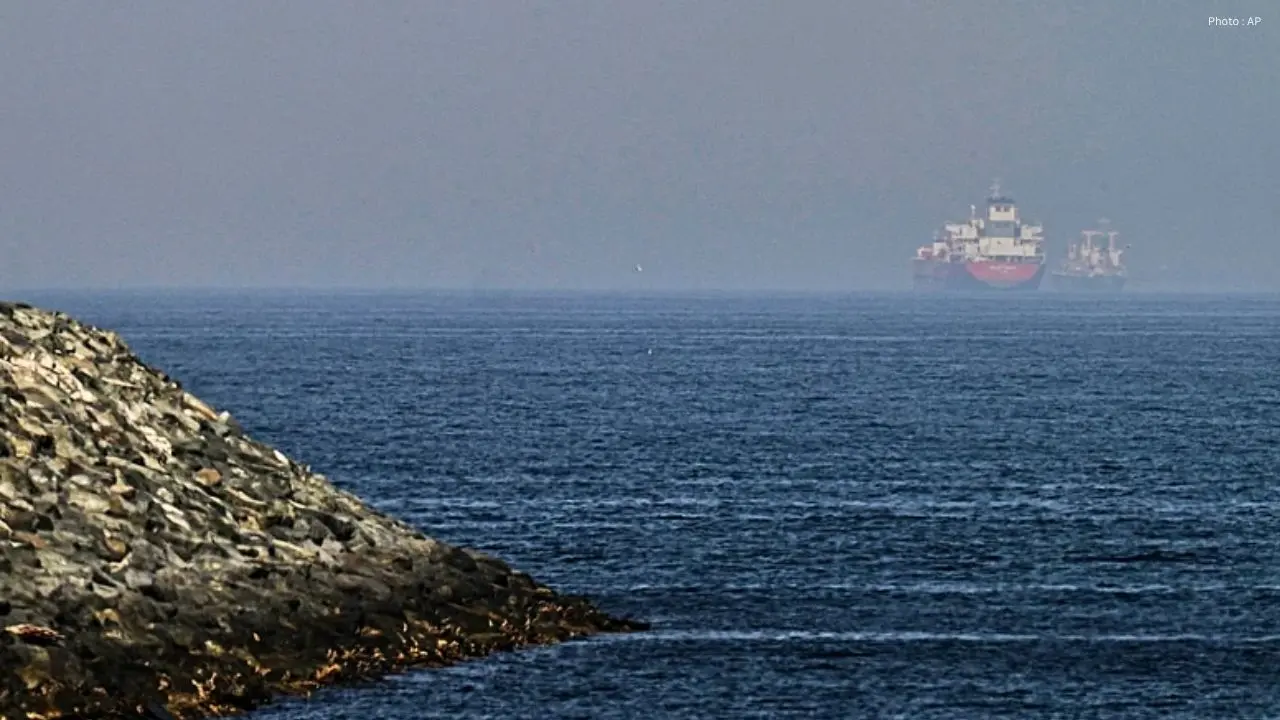
The move follows growing concerns about shipping security linked to military tensions involving Iran, Israel, and the United States. In recent months, commercial vessels travelling near the Strait of Hormuz and nearby shipping corridors have faced increased risks from naval confrontations, drone incidents, and regional instability. Several shipping companies have already adjusted routes or increased security measures for vessels operating in the area.
Energy analysts say the UAE’s strategy reflects broader efforts by Gulf countries to protect oil exports from possible disruptions. Stable energy transportation remains critical not only for regional economies but also for global markets that rely heavily on Gulf oil supplies. Experts warn that even temporary disruptions in the Strait of Hormuz could lead to major increases in fuel prices worldwide.
The UAE has invested heavily over the past decade in building Fujairah into one of the world’s largest oil storage and export hubs. The emirate’s location outside the Gulf provides strategic advantages because tankers can access international shipping routes without passing directly through the Strait of Hormuz. Industry experts believe expanding pipeline capacity could further strengthen the UAE’s role in global energy markets.
Officials have not publicly confirmed the full timeline or financial details of the accelerated pipeline expansion plans. However, reports suggest authorities want faster progress because of ongoing uncertainty in the region and concerns about future shipping disruptions. The project is also expected to support long-term energy security planning for the country.
Global markets continue closely monitoring developments around the Strait of Hormuz because the route handles roughly one-fifth of the world’s oil trade. Energy traders, governments, and shipping companies remain concerned that escalating regional tensions could affect the movement of crude oil, liquefied natural gas, and commercial cargo.
Analysts say the UAE’s infrastructure strategy demonstrates how Gulf nations are increasingly preparing for geopolitical risks by investing in alternative transport systems and export routes. As regional instability continues, energy security and uninterrupted access to global markets are becoming even more important for oil-producing countries across the Middle East.