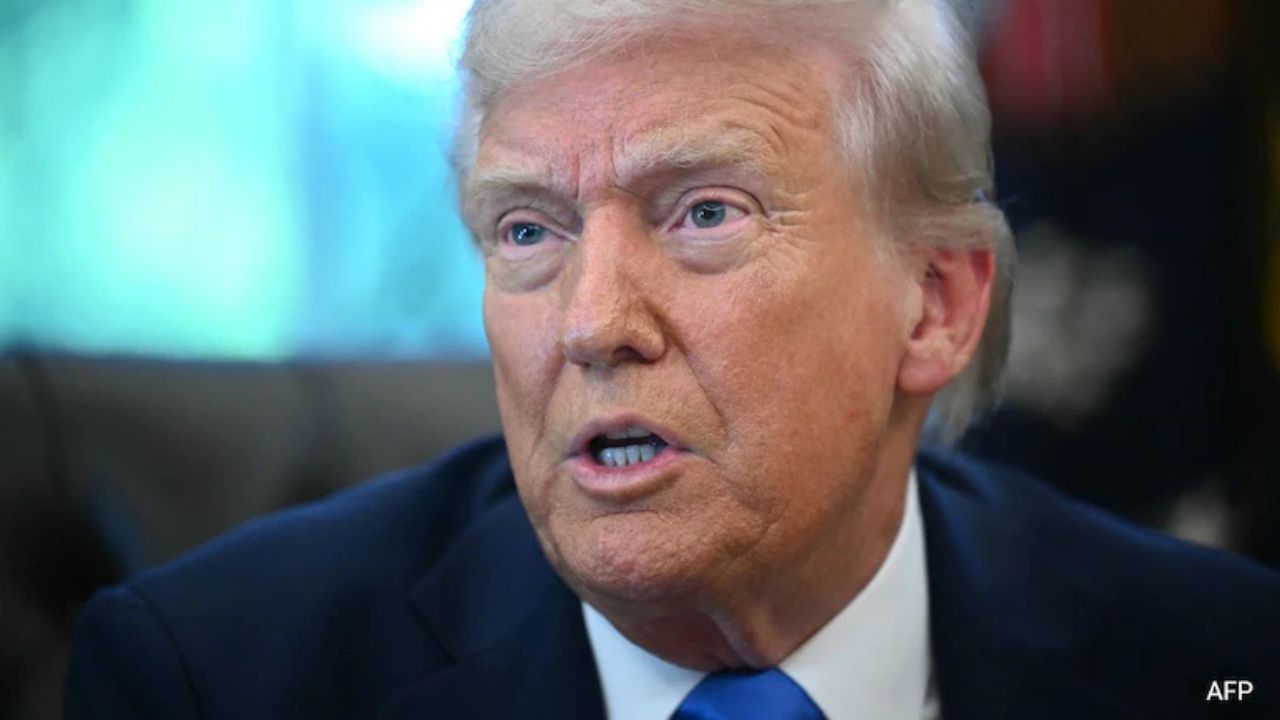
Photo: AP
US President Donald Trump’s recent announcement to impose a $100,000 annual fee for H-1B visa holders has sparked strong criticism from lawmakers, community leaders, and experts. Many voices have described the plan as “reckless,” “extreme,” and “unfortunate,” warning that it could negatively affect the US technology industry and slow innovation.
What Trump’s New Plan Says
Under the new proclamation, companies that hire skilled foreign workers under the H-1B visa system will have to pay $100,000 per worker each year. Currently, the total visa fees for employers are between $2,000 and $5,000, making this increase unprecedented.
The Trump administration claims the new fee will ensure that only highly skilled and exceptional workers enter the US, and will encourage companies to hire American workers first. However, critics argue that the high cost may drive talented professionals away from the US and hurt companies, especially startups and small tech businesses.
Backlash From Lawmakers
Several US lawmakers have openly criticized the fee hike. Congressman Raja Krishnamoorthi called it a “reckless attempt to cut America off from high-skilled workers who have long strengthened our workforce, fuelled innovation, and helped build industries that employ millions of Americans.”
Krishnamoorthi added that many H-1B visa holders eventually become US citizens, start businesses, and create well-paying jobs. He said that instead of raising barriers, the US should strengthen its workforce and modernize the immigration system to attract global talent.
Concerns From Community Leaders
Ajay Bhutoria, a former advisor to President Joe Biden and an expert on immigration policy, warned that the $100,000 fee could create a crisis for the US technology sector. “The H-1B programme is a lifeline for innovation. It attracts top talent from around the world. This massive jump in fees will crush small businesses and startups that rely on diverse talent,” he said.
Bhutoria also noted that the new fee might push talented professionals to other countries such as Canada or Europe. He called for balanced reforms, like merit-based selection or fee exemptions for startups, rather than this “extreme overhaul” that may backfire.
Economic Impact on Tech Industry
The technology and software industry in the US depends heavily on skilled foreign workers, particularly in Silicon Valley. These professionals contribute billions of dollars to the economy and support innovation in areas like artificial intelligence, cloud computing, and software development.
Khanderao Kand of the Foundation for India and Indian Diaspora Studies said the fee hike is “very unfortunate” and could have a “huge negative impact on businesses, especially in the software and tech sectors, as well as on US-educated STEM talent.”
The concern is that smaller companies and startups, which cannot afford such high fees, may lose access to critical talent. This could slow down technological development and reduce competitiveness compared to other countries.
Risk of Losing Global Talent
Critics also point out that countries like Canada, Germany, and Australia are actively trying to attract skilled workers with simpler visa processes and lower fees. The $100,000 fee may make the US less appealing for highly skilled professionals, including engineers, software developers, scientists, and researchers.
This could shift global talent away from the US, affecting innovation, research, and growth in industries that rely on advanced skills. Experts warn that such a change could have long-term effects on the US economy.
Voices Calling for Reform
Instead of imposing extreme fees, experts suggest alternative solutions:
- Merit-Based Selection: Prioritize highly skilled workers without prohibitive costs.
- Startup Exemptions: Provide fee reductions or exemptions for small companies and new businesses.
- Balanced Immigration Policy: Maintain access to global talent while protecting American jobs.
Lawmakers and community leaders agree that thoughtful reform could strengthen the economy, retain innovation, and support job creation, rather than discouraging foreign talent through excessive fees.