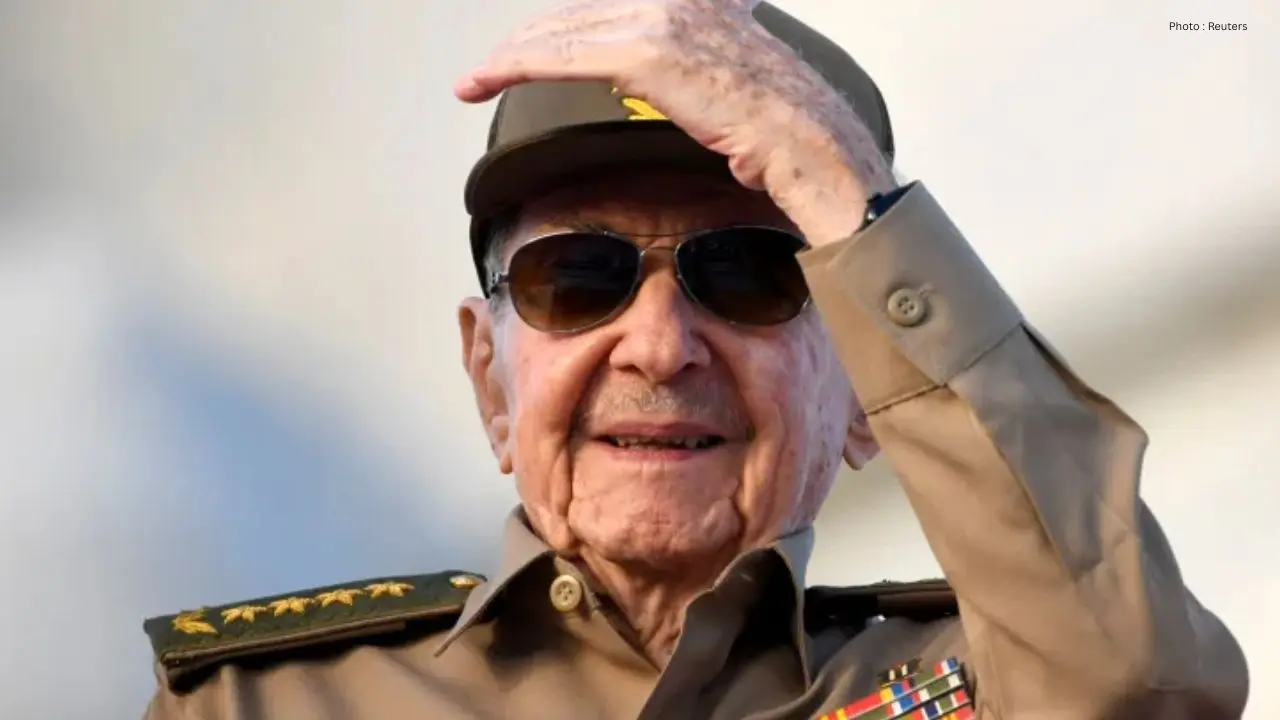
Relations between the United States and Cuba have once again drawn international attention following reports connected to former Cuban leader Raul Castro and renewed criticism from US President Donald Trump. The development has brought focus back to the long and complicated history between the two neighboring countries, whose political relationship has remained tense for more than six decades.
Raul Castro, who served as Cuba’s president from 2008 to 2018, played a major role in shaping the country’s communist government after taking leadership from his brother Fidel Castro. Under the Castro leadership, Cuba maintained close control over political activity and continued opposing American influence in the region. The United States, meanwhile, imposed economic sanctions and trade restrictions on Cuba for decades due to concerns over human rights, political freedoms, and Cold War tensions.
The relationship between the two countries changed significantly during the administration of former US President Barack Obama. In 2014, the Obama administration announced steps to restore diplomatic relations with Cuba after more than 50 years of hostility. Embassies were reopened, travel restrictions were eased, and economic cooperation increased in several areas. Many experts described the move as a historic turning point in US-Cuba relations.
However, relations became strained again after Donald Trump entered office in 2017. The Trump administration introduced tougher policies against Cuba, including stricter travel regulations, financial sanctions, and limitations on business activities linked to the Cuban government. Trump repeatedly accused Cuban leaders of suppressing political freedoms and supporting anti-American policies in Latin America. His administration argued that stronger pressure was needed to push for democratic reforms in Cuba.
The latest developments involving Raul Castro have once again increased political debate in both countries. Supporters of the tougher US approach believe the Cuban government should face stronger international pressure over human rights concerns and political control. Cuban officials, however, continue rejecting American criticism and describe US actions as interference in the country’s internal matters.
Experts say the relationship between Washington and Havana remains deeply influenced by history, politics, migration issues, and economic sanctions. The US trade embargo against Cuba, first introduced during the Cold War era, still remains one of the major sources of tension between the two nations. Many Cuban citizens have also been affected by economic challenges linked to sanctions and limited international trade opportunities.
In recent years, migration between Cuba and the United States has also become an important issue. Economic difficulties in Cuba have pushed many people to leave the country in search of better opportunities abroad. American officials have continued discussing border security, migration control, and regional stability while dealing with Cuban policy matters.
Political analysts believe future US-Cuba relations will depend heavily on leadership decisions in both countries and changing international conditions. While some leaders support renewed diplomatic engagement, others continue favoring strict sanctions and political pressure. For now, the latest developments involving Raul Castro have once again highlighted the fragile and often tense relationship between the United States and Cuba.