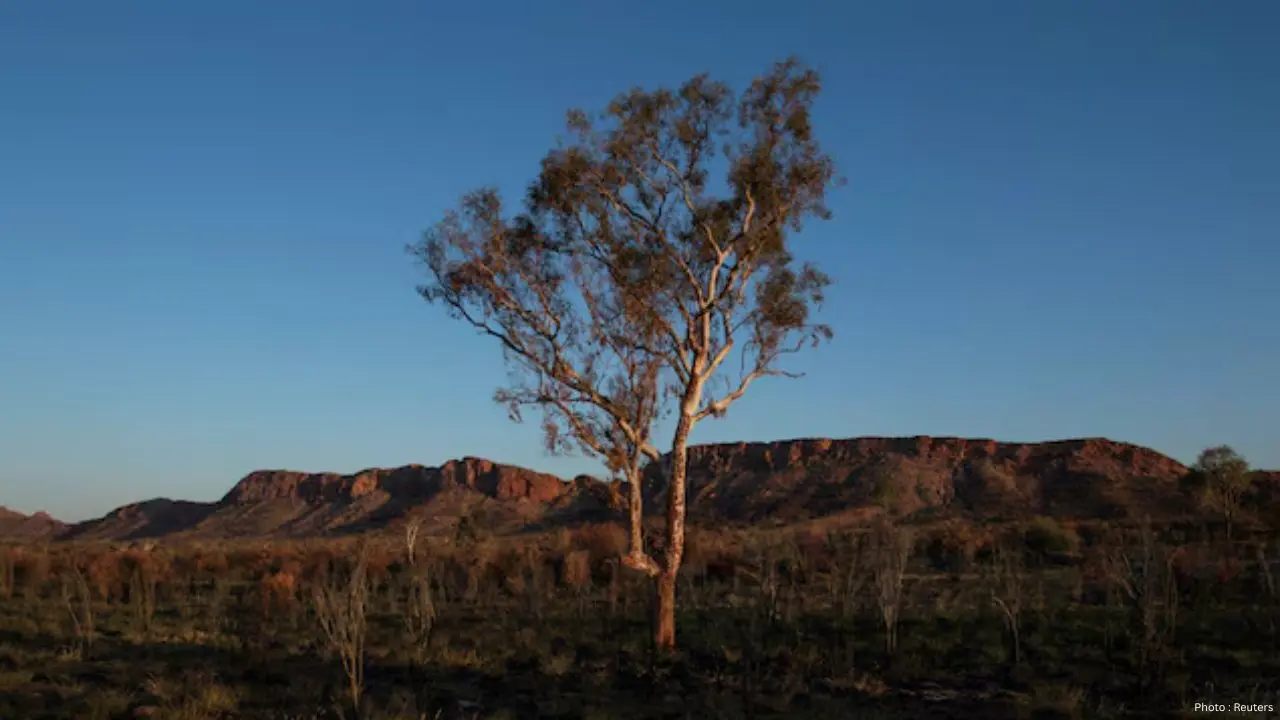
The impacts of climate change are increasingly jeopardizing plant species across the globe. Escalating temperatures, altered weather patterns, and diminished habitats are affecting vital ecosystems such as forests, grasslands, wetlands, and mountainous areas.
Environmental specialists warn that if global warming persists at its current rate, many plant species may struggle to survive. Research indicates that climate changes are compelling plants to adapt rapidly, while many are losing critical habitats essential for their growth and survival.
Plants are crucial for sustaining life on our planet, providing oxygen, food, medicine, and shelter while supporting diverse wildlife. Forests, grasslands, and wetlands are also essential in moderating temperatures, absorbing carbon dioxide, and conserving soil and water.
Research highlights habitat loss as one of the most significant threats to plant life worldwide. Increasing temperatures, coupled with drought, floods, wildfires, and erratic rainfall, devastate ecosystems developed over millennia.
While certain plant species can gradually adjust to climate changes, others face extinction due to rapid environmental shifts. Species confined to mountains, islands, or specific geographic areas are particularly at risk, given their limited capacity for adaptation.
Climate change influences plants in myriad ways. Rising temperatures can modify growing seasons, deplete water supplies, heighten disease susceptibility, and disrupt pollination processes carried out by insects and birds.
Visible environmental changes are already manifesting in many areas. Countries are experiencing more frequent wildfires, while drought conditions continue to harm vegetation and farmland. With rising sea levels, coastal ecosystems where certain plants thrive are also under threat.
The extinction of plant species will have dire implications for both wildlife and humans. Species dependent on specific plants for food or shelter may also struggle for survival when ecosystems falter.
Agricultural sectors may also feel the impact of climate-driven plant declines. Farmers rely on stable environmental conditions for their crop yields, and extreme weather can jeopardize food production, exacerbating economic pressures on rural communities.
Experts caution that the loss of biodiversity is shaping up to be one of the most pressing global environmental crises in the coming years. Biodiversity, which encompasses the variety of life defining healthy ecosystems, is the backbone of our ecological and natural equilibrium.
A decline in plant biodiversity can weaken ecosystems' resilience and capacity to cope with environmental stressors. Healthy forests and habitats typically mitigate climate impacts by sequestering carbon, but when these systems are damaged, they lose their ability to perform such protective roles.
Climate change is closely linked to greenhouse gas emissions from various sources, including industry, transportation, fossil fuels, and deforestation. Environmental groups continue to urge governments to lower emissions and bolster investments in renewable energy and conservation efforts.
Countries are stepping up to protect forests, restore damaged lands, and enhance environmental regulations. Initiatives like reforestation and wildlife protection are regarded as crucial measures to mitigate climate devastation.
Scientists stress that global cooperation is essential, as climate change transcends national borders. Environmental issues associated with rising temperatures have far-reaching implications for food systems, water resources, health, and economic stability globally.
This situation underlines the imperative of safeguarding natural habitats before species are lost forever. Extinct plants cannot be revived, and some species may hold medicinal or ecological significance that is yet to be uncovered.
Across the globe, youth are increasingly engaged in climate awareness and environmental initiatives, with schools and organizations fostering public involvement in conservation efforts.
Experts assert that everyday individuals can contribute by adopting simpler practices, such as reducing waste, planting trees, conserving water, using cleaner energy, and endorsing sustainable environmental policies.
Recent studies on diminishing habitats serve as urgent reminders about the enduring consequences of climate change on our natural surroundings. Scientists emphasize that environmental conservation is not only about preserving forests or wildlife but also about ensuring human survival and the well-being of future generations.
Consequently, there is mounting pressure on governments, industries, and communities to adopt more vigorous measures against climate threats before irreversible damage occurs. Experts advocate for prompt actions today to avert severe ecological and economic repercussions in the future.
The warning regarding global plant species illustrates a broader reality that our planet faces. Climate change is no longer perceived as a distant concern for future generations; its effects are already observable across ecosystems, economies, and daily life in many regions.