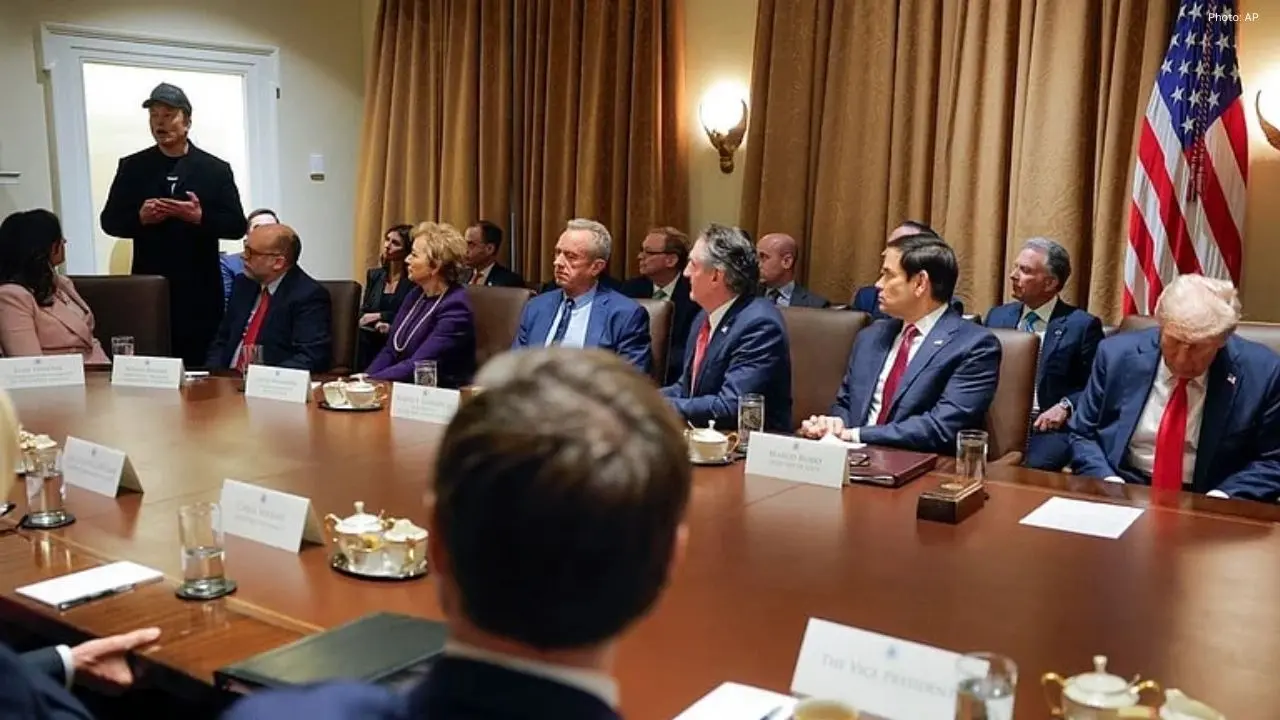
US President Donald Trump is preparing to convene a high-level Cabinet meeting as tensions between the United States and Iran continue to grow across the Middle East. The meeting comes during a highly sensitive period marked by ongoing military activity, fragile diplomatic talks, and fears of a wider regional conflict involving several countries and armed groups. Reports from multiple US media outlets said the meeting was initially planned for Camp David but may instead take place at the White House due to weather concerns.
According to officials familiar with the matter, the Cabinet meeting is expected to focus heavily on the worsening situation involving Iran, recent US military actions in the region, and ongoing diplomatic negotiations aimed at preventing a larger war. Senior administration officials, including Secretary of State Marco Rubio and national security advisers, are expected to participate in discussions regarding possible next steps for American foreign policy in the Middle East.
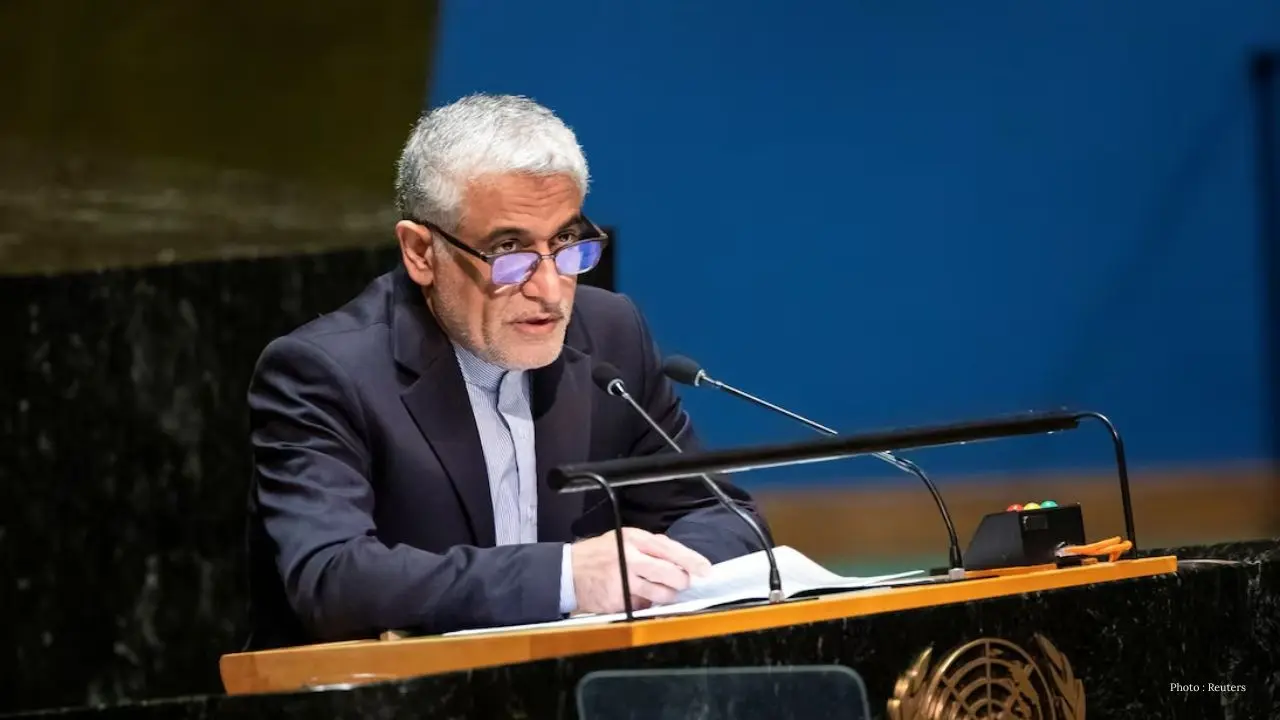
The tensions increased sharply after recent US military strikes targeted Iranian-linked positions and vessels in the Gulf region. Iran strongly criticized the strikes, calling them violations of ongoing ceasefire understandings and accusing Washington of acting in “bad faith” during peace negotiations. Iranian officials also warned that American military bases in the region could face retaliation if attacks continue.
Despite the growing hostility, diplomatic talks between Washington and Tehran have not completely collapsed. Trump recently claimed that the United States and Iran had “largely negotiated” parts of a possible settlement that could reopen key shipping routes and reduce military tensions in the Gulf. However, several important issues reportedly remain unresolved, including Iran’s nuclear program, sanctions relief, and Tehran’s support for regional armed groups such as Hezbollah and the Houthis.
The Strait of Hormuz has become one of the biggest concerns for global leaders and financial markets. The strategic waterway handles a major portion of the world’s oil shipments, and any disruption could seriously affect global energy prices and international trade. US officials have repeatedly stated that the Strait must remain open, while Iran has warned it may respond aggressively if pressured militarily or economically.
The Trump administration is also facing pressure from both allies and critics at home. Some Republican supporters reportedly worry that any agreement with Iran could appear too soft and may allow Tehran to regain economic strength through sanctions relief. Others argue that avoiding a major war should remain the top priority for Washington. Analysts believe the administration is now trying to balance military pressure with diplomatic negotiations in order to prevent a broader regional crisis.
The situation has become even more complicated because of growing instability in nearby regions, including Lebanon and Gaza. Israeli military operations against Hezbollah in Lebanon and continuing tensions involving Iranian-backed groups have increased fears that the conflict could spread further across the Middle East. International diplomats are continuing efforts to calm the situation, but uncertainty remains high.
Trump’s Cabinet meeting is therefore being closely watched by global leaders, investors, and security experts who expect possible announcements regarding US strategy toward Iran. While officials continue to express hope for a diplomatic breakthrough, the current atmosphere remains tense, and even a small escalation could trigger a much larger confrontation in the region.