Photo:AP
The Trump administration is preparing to give a research contract to Rensselaer Polytechnic Institute (RPI), a university in Troy, New York, to study whether there is any link between vaccines and autism. The contract is unusual because it will not go through the normal competitive bidding process. Instead, officials say RPI is being chosen because of its “unique ability” to link information from children and mothers.
The notice about the contract was posted by the Department of Health and Human Services (HHS) earlier this week. However, officials did not say how much money is involved or what the exact research will include.
This development has raised many questions, both inside the scientific community and among parents.
Robert F. Kennedy Jr.’s Role
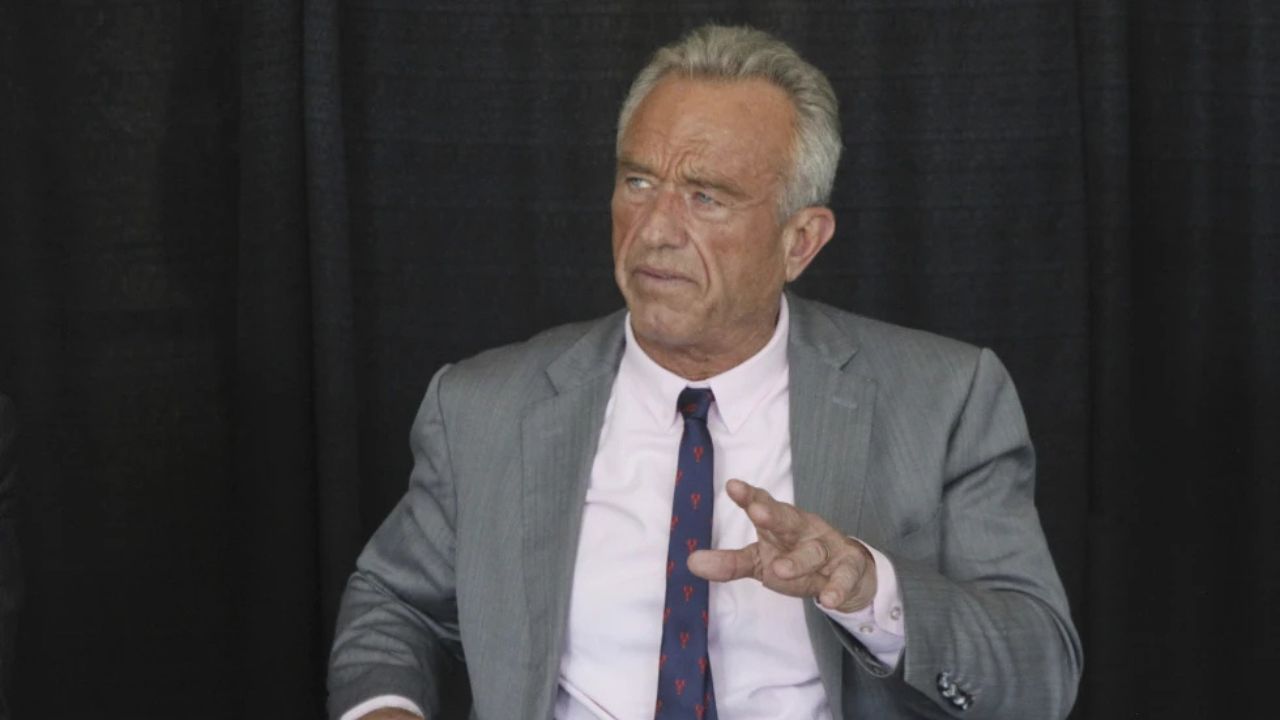
U.S. Health Secretary Robert F. Kennedy Jr. is at the center of this decision. Before he was chosen by President Donald Trump to lead America’s health agencies, Kennedy was one of the most well-known voices in the anti-vaccine movement. For years, he argued that vaccines may be linked to autism, even though scientific studies have strongly rejected that claim.
In April this year, Kennedy announced what he called a “massive testing and research effort” to look for the causes of autism. He promised that by September, there would be new steps taken to find answers. This contract appears to be part of that promise.
Why RPI Was Chosen
RPI is mainly known as an engineering and technology school, not as a center for autism research. However, one of its professors, Juergen Hahn, has worked on autism studies using artificial intelligence and machine learning. He has looked at patterns in blood samples from children with autism to see if certain biological markers can be identified.
University officials said Hahn is “renowned for the quality and rigor of his research.” They added that if the project is officially awarded, he plans to publish his findings after the study is complete.
Still, some experts are confused by the government’s decision. Alycia Halladay, research chief at the Autism Science Foundation, said RPI does not stand out as a leader in autism research or as a place with special access to the right kind of data. “It wouldn’t be the obvious choice,” she explained.
The Bigger Debate
The most important question is not about who will do the research, but whether this kind of research is necessary at all.
For over 20 years, scientists across the world have studied the idea that vaccines might cause autism. The results have been clear and consistent: there is no evidence of a connection.
Researchers have looked at millions of children in many different countries. Every time, they found that vaccinated children and unvaccinated children had similar rates of autism. Leading scientists, doctors, and health organizations agree that vaccines do not cause autism.
Autism itself is very complex. Studies show that genetics play a large role. Other factors, such as the age of the father, the mother’s health during pregnancy, and exposure to certain chemicals, may also influence autism risk. But vaccines are not among the causes.
Halladay said this new project may waste valuable money and attention. Instead, those funds could go toward better research into genetics, environmental factors, and treatments that truly help families.
Ongoing Battles Over Data
Another challenge facing HHS is access to vaccine safety data. For months, officials have been trying to use information collected by the Centers for Disease Control and Prevention (CDC) to look for possible harms from vaccines. Kennedy has accused CDC leaders of blocking this work.
But according to one former federal health official, the problem is different. About a dozen organizations collect the vaccine safety data and then report it to the CDC. Old contracts, dating back almost 20 years, give those organizations—not the CDC—control over the raw data. This means HHS cannot easily get it.
What Experts Fear
Many in the scientific and medical communities worry that awarding a no-bid contract to study a disproven theory could fuel confusion among the public.
Parents of children with autism often look for answers and may believe vaccines are to blame. But experts warn that this belief takes focus away from real causes and solutions. It could also reduce trust in vaccines, which are proven to protect children from serious diseases like measles, polio, and whooping cough.
Halladay summed up the frustration: “The question has been studied for 20 years… There has never been a credible association found between vaccines and autism. The most frustrating part is that money is being taken away from more important research.”
Editorial View
The Trump administration’s decision highlights a troubling trend: the mixing of politics, personal beliefs, and public health policy. By giving a no-bid contract to a single school to re-examine a question that science has already answered, officials risk wasting taxpayer dollars and undermining trust in vaccines.
This is not just about one study or one contract. It is about the message sent to the public. If the government keeps funding work that repeats old, disproven claims, people may think there is still real doubt where none exists. That can have dangerous effects—lower vaccination rates, preventable outbreaks of disease, and deeper mistrust in medical institutions.
Science moves forward by asking tough questions, but also by accepting clear answers once they are proven. On vaccines and autism, the answer has been clear for decades. The challenge now is not to ask the same question again but to support families living with autism through better research into its true causes and effective treatments.