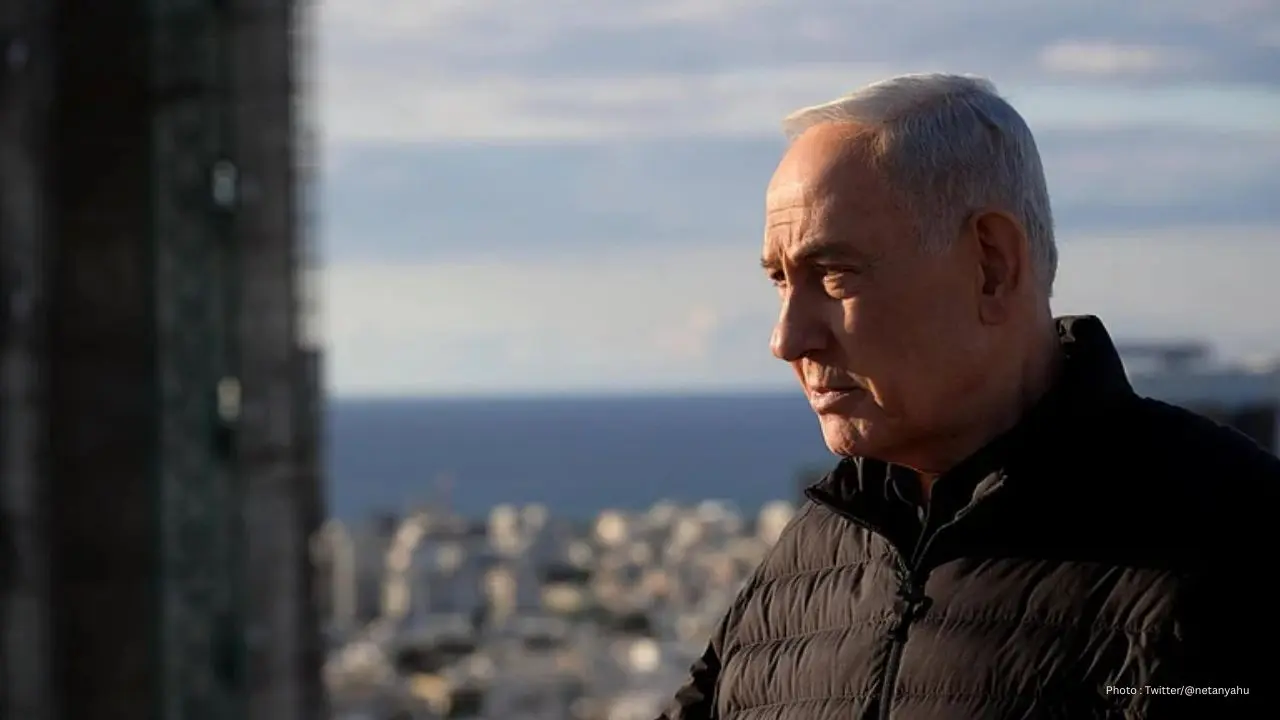
Israeli Prime Minister Benjamin Netanyahu has reportedly been hospitalised again, renewing public concern and political debate over his health condition during a highly tense period in the Middle East. The latest hospitalization comes as Israel continues facing security challenges linked to Gaza, Lebanon, Iran, and rising regional tensions, increasing attention on Netanyahu’s physical condition and ability to continue leading the country.
According to reports from Israeli media, Netanyahu was admitted for medical observation and routine examinations after reportedly feeling unwell during recent government meetings. Officials close to the Israeli prime minister said his condition is stable and there is currently no immediate danger to his health. However, authorities provided only limited medical details, leading to fresh speculation inside Israel regarding the seriousness of his condition.
The Israeli Prime Minister’s Office later released a short statement saying Netanyahu remained fully conscious and continued receiving updates on national security matters from hospital. Officials insisted that government operations were continuing normally despite his hospitalization. The statement also attempted to calm public concern by describing the medical visit as precautionary.
Questions regarding Netanyahu’s health have continued for several years, especially after previous hospital visits and medical procedures. In recent years, he has undergone treatment related to dehydration, heart monitoring, and the implantation of a pacemaker. His repeated medical issues have regularly become major political topics inside Israel due to the country’s difficult security situation and Netanyahu’s central role in decision-making.
The latest hospitalization comes at a sensitive time for Israel. Netanyahu has been heavily involved in military and diplomatic decisions linked to the ongoing Gaza conflict, tensions with Hezbollah in Lebanon, and indirect negotiations involving Iran and the United States. Because of this, any concerns regarding his health quickly attract major political and international attention.
Opposition leaders in Israel called for greater transparency regarding the prime minister’s medical condition. Several political figures argued that the public has the right to receive clear information about the health of a national leader during a period of war and regional instability. Critics also accused Netanyahu’s office of providing incomplete information during earlier health incidents.
Supporters of Netanyahu, however, defended the prime minister and dismissed rumors about his condition. Members of his coalition government said Netanyahu continues to work actively despite medical monitoring and remains fully capable of leading Israel through current security challenges. Some officials accused opposition parties of politicizing routine health matters for political gain.
Israeli media outlets reported increased security presence around the hospital where Netanyahu was receiving treatment. Television channels and newspapers across the country closely followed updates regarding his condition, while social media discussions intensified after reports of his hospitalization became public. Analysts noted that uncertainty surrounding the health of national leaders often creates political instability and public speculation.
Political analysts believe Netanyahu’s health could become an even more important issue in the coming months, especially if regional tensions continue rising. Israel is currently facing military pressure on multiple fronts, including ongoing conflict in Gaza, repeated cross-border attacks involving Hezbollah, and concerns over Iran’s nuclear activities. In such circumstances, leadership stability is viewed as highly important for both domestic politics and national security.
Despite the concerns, officials said Netanyahu is expected to continue participating in key government and security discussions once doctors complete medical evaluations. However, the latest hospitalization has once again placed his health under intense public scrutiny and raised broader questions about leadership stability in Israel during one of the most difficult periods in the country’s recent history.