Canadians began the year with Justin Trudeau as prime minister — a leader defined as much by emotion and symbolism as by policy. His tearful resignation in early January marked the end of an era that blended progressive politics with personal expression, global celebrity, and highly visual leadership. What followed was one of the sharpest stylistic pivots in modern Canadian politics.
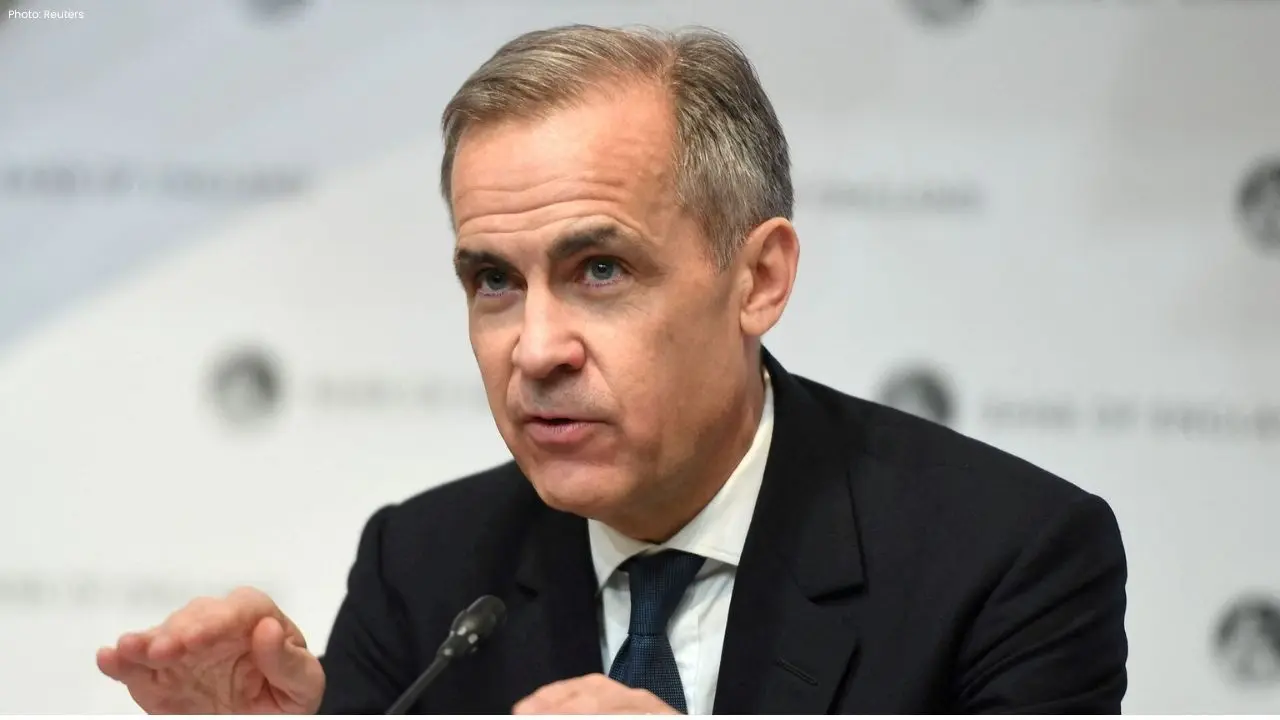
Mark Carney, Trudeau’s successor, represents the opposite pole of political leadership. Where Trudeau was expressive and performative, Carney is measured, restrained, and intensely professional. Every gesture, word, and appearance from the new prime minister suggests a tightly managed, business-first approach to governing.
Political branding experts note that Trudeau’s early years were powered by excitement and novelty. He was the selfie-taking prime minister, the Rolling Stone cover figure, and the leader whose colourful socks and informal charm became global talking points. Carney, by contrast, avoids spectacle. He appears almost exclusively in dark, well-tailored suits, limits his media exposure, and keeps public messaging narrow and controlled.
Inside government, the change has been immediate. Cabinet meetings now start precisely on time, with ministers wary of arriving even minutes late. Stories from Ottawa describe a prime minister who expects discipline, polish, and professionalism — from appearance to conduct. Carney’s reputation for micromanagement and high standards dates back to his time as governor of the Bank of England, where staff reportedly felt intense pressure to meet expectations.
Unlike Trudeau, who grew up surrounded by politics and media attention, Carney entered public life insisting he was not a politician. That difference is evident. His press conferences often sound less rehearsed, sometimes resulting in small but noticeable gaffes — mispronounced names, awkward public moments, or unscripted remarks. For many voters, those slips make him feel more genuine, less manufactured.
Substantively, Carney’s focus is clear: the economy. At a time of widespread financial anxiety, he has used economic credibility to reposition the Liberal Party closer to the political centre-right. His government’s recent agreement with Alberta to move forward on a new oil pipeline to the West Coast stunned political observers and signaled a break from Trudeau-era red lines.
Social priorities have shifted as well. Trudeau’s strong emphasis on feminism and progressive symbolism has faded. Carney has stated plainly that Canada does not follow an explicitly feminist foreign policy, and critics note that men increasingly dominate his inner circle.
On the international stage, Carney’s relationship with U.S. President Donald Trump appears calmer than Trudeau’s often combative dynamic. However, insiders caution that personal chemistry matters less than economic realities. Trade tensions remain, and Canada continues to defend its interests regardless of tone at the top.
Both Trudeau and Carney share one crucial similarity: each arrived when the Liberal Party needed saving. But in personality, presentation, and priorities, their leadership styles are worlds apart. Trudeau led with emotion and visibility. Carney governs with discipline and intent — signaling that Canada has entered a very different political chapter.