Photo: Reuters
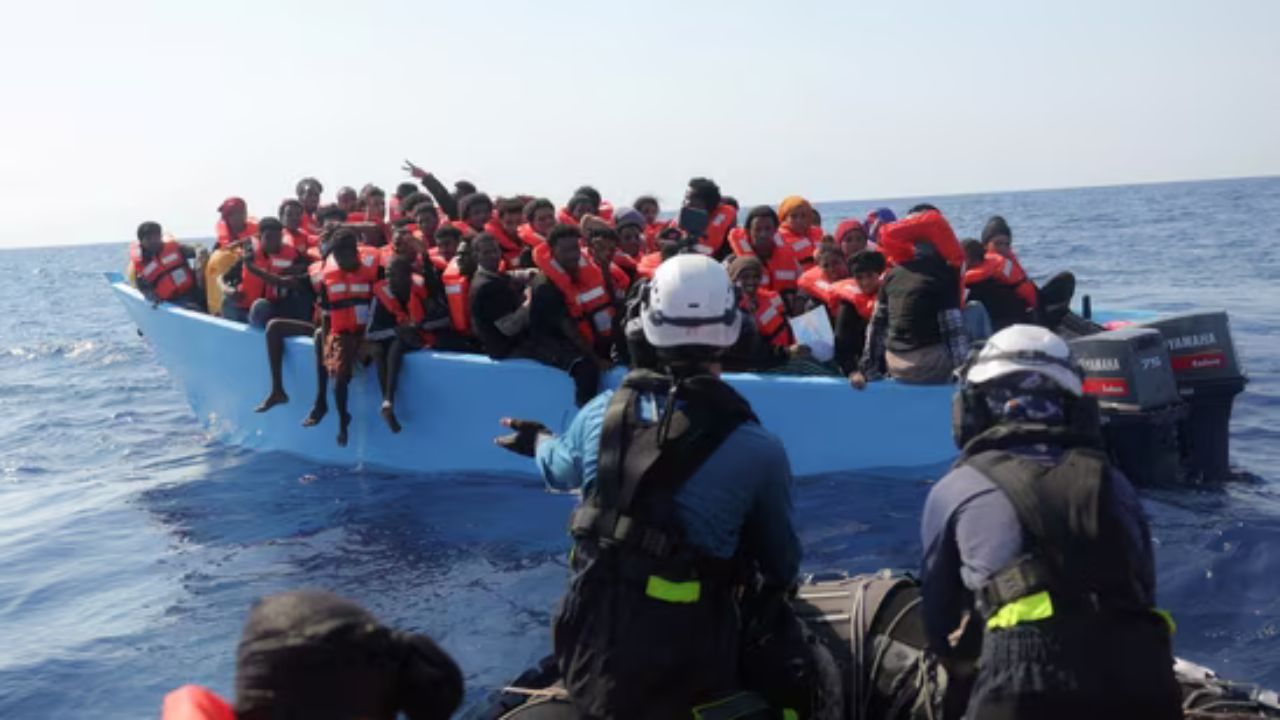
A tragic incident unfolded off the eastern coast of Libya when a rubber boat carrying migrants sank, leaving 19 people dead and 42 others missing, according to the International Organisation for Migration (IOM). This disaster highlights the dangers faced by people fleeing conflict and poverty in search of a better life in Europe.
The ill-fated journey began on September 9, when more than 70 migrants, mainly from Sudan and South Sudan, set sail from a beach near the town of Kambout. The boat, overcrowded and unsafe, sank the same day. Rescue efforts later retrieved 19 bodies, and 14 people were rescued alive after enduring several days at sea. The fate of the remaining 42 migrants is still unknown, causing immense concern for their families and authorities involved in the rescue operation.
The IOM, a United Nations agency that monitors migration flows and provides aid, confirmed that it remains unclear how the 14 survivors managed to stay alive while stranded in harsh sea conditions for five days. This tragic incident is part of a larger pattern of risky sea journeys taken by migrants in the Mediterranean region.
Libya has long served as a transit point for migrants traveling from Africa and the Middle East toward Europe. Many of these individuals flee war, political instability, or poverty in their home countries. The journey across the Mediterranean is often carried out in overcrowded and unsafe vessels, making the crossings extremely dangerous. Over the years, thousands of migrants have lost their lives in similar incidents, underscoring the urgent need for safer migration pathways.
The tragedy also raises questions about the role of human traffickers who exploit vulnerable people by providing unsafe boats and charging high fees. Migrants often take these dangerous routes because legal and safe channels to Europe are limited or extremely difficult to access. International agencies and governments continue to warn against irregular migration and work to improve safety measures, but the problem persists due to ongoing conflicts and lack of economic opportunities in many African and Middle Eastern countries.
Humanitarian organizations have called for immediate support for the survivors and stronger search-and-rescue operations along the Mediterranean. They stress the importance of international cooperation to prevent similar tragedies in the future. “This is a heartbreaking loss of life. The world must act to protect vulnerable migrants and ensure safe migration routes,” said an IOM spokesperson.
Families of the missing migrants are left in distress, waiting for news of their loved ones. Each day that passes without information adds to their grief and uncertainty. Meanwhile, rescue teams continue to search for the missing, facing dangerous sea conditions and limited resources.
This incident is a stark reminder of the ongoing humanitarian crisis in the Mediterranean region. Migrants continue to risk their lives to escape poverty and conflict, while international organizations struggle to respond to the scale of the crisis. Without stronger protection measures and safer migration options, similar tragedies are likely to occur again.
The Libyan migrant boat disaster reinforces the urgent need for global attention to the human costs of irregular migration. It highlights the vulnerability of migrants and the responsibilities of governments and international bodies to prevent further loss of life. The survivors’ stories, though harrowing, are also a call to action for safer, legal avenues for people seeking better lives abroad.
In conclusion, the sinking of the migrant boat off Libya’s coast has left 19 dead, 42 missing, and many families grieving. It underscores the dangers of irregular migration and the desperate conditions driving people to risk their lives. The international community must work together to address the root causes of migration, improve safety at sea, and provide hope to those who see Europe as a land of opportunity.