The Seasonal Shift in Energy Demand
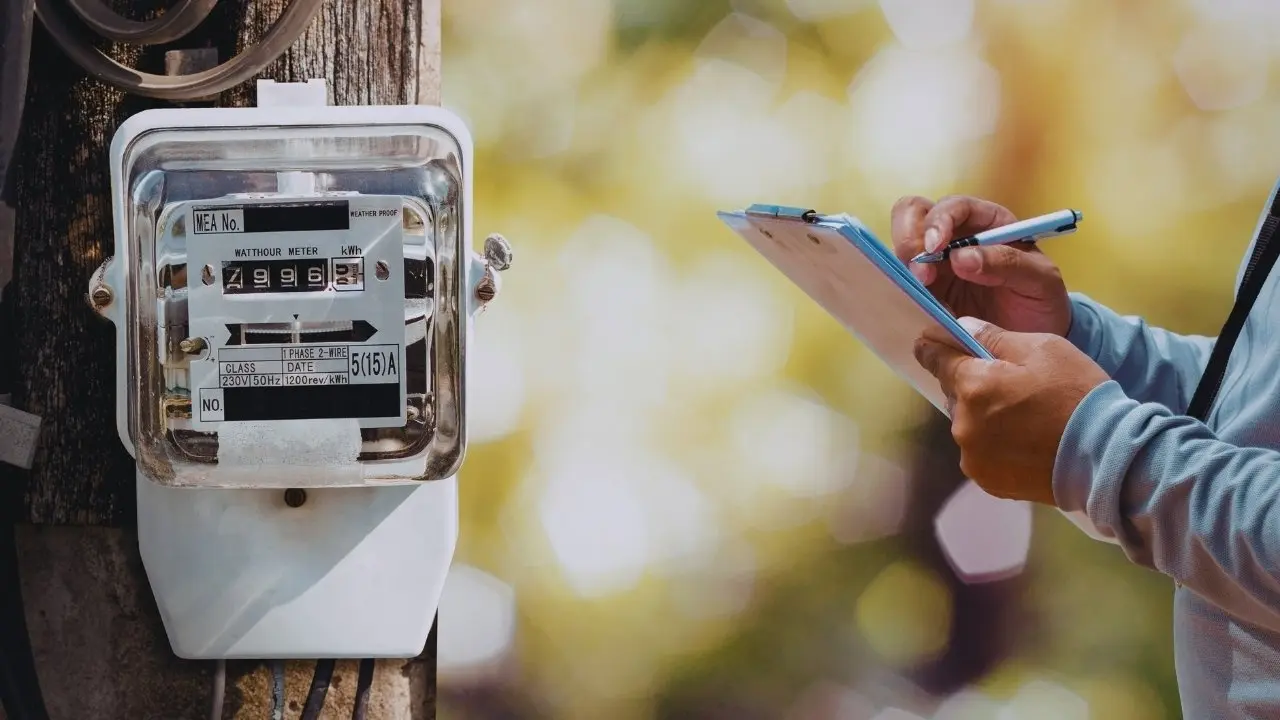
Energy consumption demonstrates a clear seasonal trend, reaching its peak in winter months and receding with milder weather. This increase stems mainly from the necessity of keeping indoor environments warm and safe when temperatures plummet outside.
As the winter chill sets in, heat loss from buildings escalates, appliances face heightened workloads, and daily habits shift. These factors combine to create a unavoidable uptick in energy use that impacts homes, businesses, and public facilities.
Heating Systems Are Major Energy Consumers
Space Heating Fuels Winter Demand
Space heating is the top contributor to increased energy utilization during winter. Homes and offices depend on various heating methods—like furnaces, boilers, and heat pumps—to keep indoor spaces comfortably warm.
These systems often operate for extended periods, sometimes non-stop, particularly in bitter cold spells. Unlike cooling systems that are used sporadically in summer, heating is a daily essential in winter, greatly amplifying overall energy demand.
Inefficient Heating Intensifies Consumption
Aging or poorly maintained heating appliances consume greater amounts of energy to achieve the same heating output. Heat escapes through walls, roofs, windows, and doors, compelling heaters to work harder and thereby further inflating energy costs.
Properties lacking sufficient insulation lose heat rapidly, resulting in higher energy requirements that are often inefficient.
Shorter Days Mean More Electricity Consumption
Increased Need for Artificial Lighting
Winter brings shorter days with longer nights. Consequently, homes, workplaces, streets, and public areas become increasingly reliant on artificial lighting.
Lights that typically stay off during daylight hours in the summer are frequently activated during winter mornings and evenings, contributing to elevated electricity use.
Greater Indoor Space Utilization
Colder conditions discourage outdoor pursuits, leading to more time spent indoors, which results in higher usage of lights, televisions, computers, and other electronic devices throughout the day.
Increased Hot Water Demand During Cold Weather
Essential Hot Water Usage
Hot water consumption sees a notable rise in winter months. Many enjoy longer hot showers, frequently wash hands with warm water, and utilize hot water for various domestic tasks.
Water heaters—be it electric, gas, or solar—require more energy to warm incoming cold water to livable temperatures during colder seasons, especially in areas with markedly low groundwater temperatures.
Laundry Requirements Increase
Winter garments, being thicker and heavier, demand more water and energy for washing and drying. Clothes dryers rank among high-energy consumers, experiencing augmented usage in these colder months when air-drying becomes unfeasible.
Appliances Work Harder in Cold Conditions
Increased Power Usage by Refrigerators and Freezers
Counterintuitively, refrigerators and freezers often draw more energy during winter. Frequent usage during holiday seasons, along with increased food storage, compels these appliances to work harder to maintain optimal temperatures.
In cooler environments, extreme cold can also influence appliance efficiency, resulting in elevated energy consumption.
Electronics and Comfort Equipment
Winter leads to higher reliance on devices like electric blankets, space heaters, humidifiers, and air purifiers. These comfort products add significantly to baseline electricity demand, often running for long stretches.
Behavioral Modifications Drive Energy Use Higher
Extended Indoor Presence
Weather influences daily habits. Individuals tend to wake up later, remain indoors longer, and utilize heating and lighting throughout the day instead of just in morning or evening hours.
Additionally, remote working during weather disturbances boosts household energy usage as it transitions from office settings to homes.
Impact of the Holiday Season
The winter season aligns with festive celebrations in various locales, resulting in spikes in energy usage from decorative lights, cooking appliances, and gatherings. Energy requirements frequently reach their zenith during this period owing to continuous activity and increased occupancy.
Energy Loss Escalates in Winter
Heat Naturally Escapes Faster
Heat naturally flows from warmer to colder environments. In winter, the disparity between indoor and outdoor temperatures widens significantly, exacerbating heat loss.
Inadequate insulation, drafts around doors and windows, and unsealed openings allow heated air to escape, necessitating relentless efforts from heating systems to compensate.
Wind Chill Effects
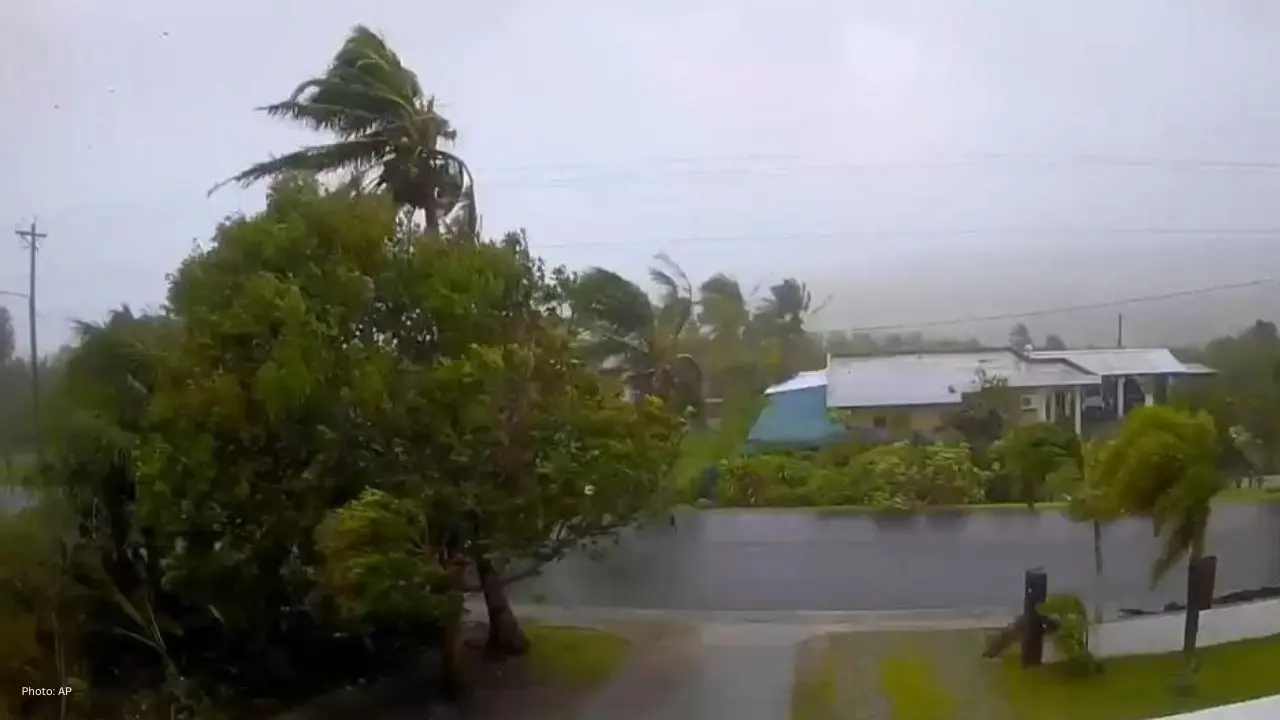
Winter winds further amplify heat loss through a process termed wind chill. Buildings exposed to high winds tend to lose warmth more swiftly, increasing heating demands even when temperatures remain stable.
Commercial and Industrial Energy Needs Surge
Heating Major Spaces
Manufacturing sites, distribution centers, educational establishments, and healthcare facilities require considerable heating systems to ensure safe working conditions, consuming significant energy during winter.
Public infrastructures like transportation hubs and government facilities also witness heightened energy demands in colder months.
Increased Operational Loads
Industries involved in winter-specific activities such as food preservation, logistics, and cold-chain operations frequently ramp up energy usage in this season, leading to elevated overall grid demand.
Energy Systems Under Greater Strain
Peak Loads Stress Power Grids
Energy consumption in winter typically peaks during early mornings and late evenings when both lighting and heating are in demand. These peak loads exert significant stress on power grids and fuel supply channels.
Under extreme cold conditions, the demand for energy can surpass generation capacity, raising the potential for outages without adequate preparation.
Fuel Consumption and Energy Supply Chains
Usage of gas, coal, and oil surges during winter to cater to heating needs. Moreover, transporting and storing these fuels requires further energy, amplifying overall consumption.
Winter Energy Use Influenced by Regional Climates
Severe Cold Areas Experience Sharp Increases
Regions enduring harsh winters tend to see more drastic rises in energy demands than those with milder climates. Extended freezing periods and snowfall prolong heating seasons, elevating overall energy use for months.
Urban vs. Rural Disparities
Urban residences frequently enjoy improved insulation and communal heating solutions, while rural areas may depend on individual heating units that utilize more energy per instance.
The Economic Consequences of Increased Winter Energy Use
Surging Household Energy Bills
Heightened energy use leads to inflated utility bills during winter. Heating expenses typically dominate household energy budgets, particularly in the cold season.
For vulnerable households, winter energy demands can create financial burdens, emphasizing the necessity of efficiency initiatives and assistance programs.
National Energy Spending Effects
On a macro level, the demand for energy in winter influences national fuel imports, power generation expenses, and energy pricing, ultimately affecting economic equilibrium.
Strategies for Reducing Energy Usage in Winter
Enhancing Insulation and Sealing
Proper insulation, weather stripping, and closing gaps can markedly reduce heat loss. These strategies enable better retention of indoor warmth with less energy consumption.
Efficient Heating Techniques
Implementing programmable thermostats, keeping heating systems well-maintained, and maintaining moderate indoor temperatures can diminish energy usage without compromising comfort.
Intelligent Appliance Management
Minimizing excessive appliance use, transitioning to energy-efficient lighting, and wisely managing hot water usage can collectively lower winter energy demands.
The Influence of Renewable Energy in Winter
Challenges and Opportunities
Renewable energy sources encounter seasonal hurdles in winter, such as decreased sunlight for solar energy. Nevertheless, wind energy typically thrives in colder months.
Incorporating diverse renewable resources assists in balancing the spike in winter demands, mitigating dependence on fossil fuels.
Conclusion: Energy Use in Winter is Essential
The increase in energy consumption during winter arises not from wastefulness, but out of necessity. Heating, lighting, and the need for hot water are vital for comfort, health, and safety in frigid conditions.
By grasping the dynamics driving the surge in winter energy usage, individuals and communities can implement smarter strategies to manage demand, control expenses, and lessen environmental footprints—all while ensuring warmth and comfort.
Disclaimer:
This article is intended for informational purposes only and discusses generalized patterns of energy consumption. Actual energy output may vary based on climate, building structure, technological advancements, and personal behaviors.