The Impact of Comfort on Contemporary Fashion
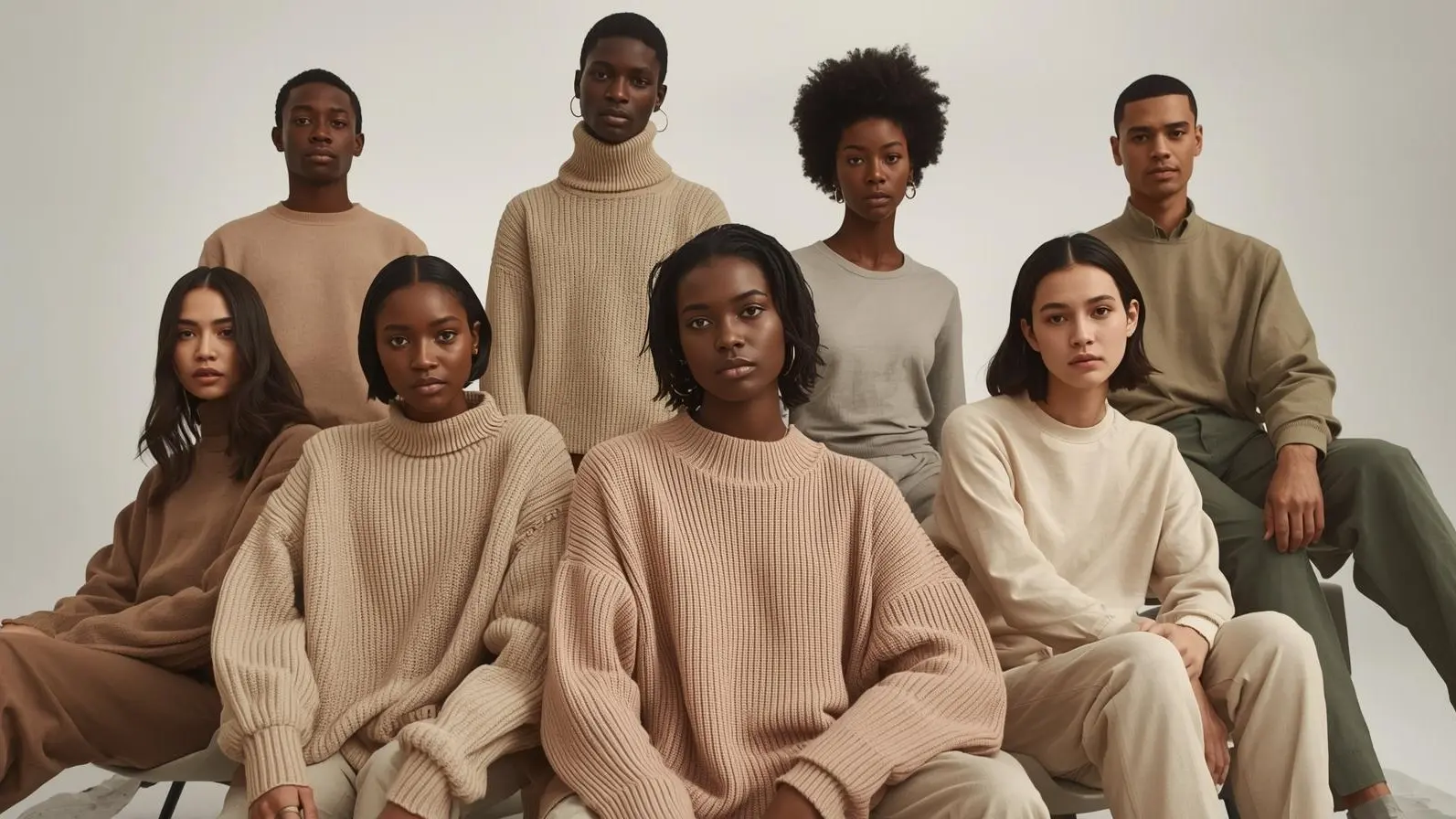
Fashion mirrors societal shifts, transforming from a focus on status and aesthetics to an emphasis on comfort. This essential quality is now pivotal, driving brand strategies and revolutionizing consumer relationships with clothing.
Comfort isn’t a trade-off against style these days; it has emerged as a crucial aspect, driving trends across luxury, casual, and professional attire. This isn't merely a passing trend; it’s a response to evolving lifestyles.
Shifting Lifestyles and Clothing Preferences
Fashion adapts to the realities of daily life.
Embracing Flexibility
With the rise of remote working and flexible schedules, there’s less need for multiple outfit changes throughout the day. Garments need to function in various contexts:
Comfortable clothing is well-suited for:
Confidence Redefined Through Comfort
In the past, confidence echoed structured silhouettes and striking designs. Today’s perspective on confidence is transitioning.
Comfort and Confidence: A New Perspective
-
Freedom of movement diminishes self-doubt
-
Soft materials decrease physical strain
-
Well-fitting garments encourage better posture
-
Comfort leads to an outward focus, boosting self-assurance
This shift has made comfort both an emotional and practical necessity in fashion.
The Facts Behind Comfort in Fashion Choices
Comfort is more than subjective; it has concrete implications.
Impacts of Uncomfortable Clothing on Well-being
-
Constraining garments impede circulation
-
Heavy materials lead to tiredness
-
Poor ventilation heightens stress
-
Unyielding cuts hinder natural movement
As health consciousness increases, consumers are moving away from clothing that contributes to discomfort in daily life.
Innovation in Fabrics Fuels the Comfort Trend
Today's notion of comfort is meticulously crafted.
Fabric Innovations Leading Fashion Forward
-
Flexible blends that move with the wearer
-
Lightweight weaves for temperature control
-
Moisture-wicking materials designed for active use
-
Feathery layers replacing bulkier items
Such advancements enable designers to produce garments that appear structured yet feel easygoing, removing the dichotomy between style and comfort.
Comfort's Influence on Luxury Fashion
Luxury once thrived on excess and discomfort, but perceptions are shifting.
The Evolution of Luxury Standards
Today, luxury revolves around:
-
Ease of use
-
Enduring designs
-
High-quality textiles that last over time
-
Essentials that fit seamlessly into everyday life
High-end labels are now crafting pieces intended for frequent wear, elevating comfort to a luxury standard.
Post-Pandemic Fashion Psychology
Global upheaval has lasting impacts on behavior.
Post-Lockdown Clothing Insights
-
Consumers have re-evaluated their clothing tolerances
-
Comfort is now essential
-
Choice in dressing has become more deliberate
-
Emotional health significantly impacts fashion choices
Experiencing daily comfort has altered consumer expectations, making the transition back to uncomfortable styles feel impractical.
Athleisure as the Beginning of a Movement
Athleisure introduced comfort into everyday attire, but the evolution extends beyond.
Expanding Comfort Throughout Fashion
-
Tailored pants with elastic bands
-
Dress shirts with flexible materials
-
Long-lasting dresses
-
Shoes designed for style and support
The comfort trend has permeated areas that once resisted change, reshaping the entire fashion landscape.
Social Media’s Role in Promoting Comfort
Visual culture heavily influences consumer desires.
Normalizing Comfort Via Digital Platforms
-
Creators emphasize real-world usability
-
Styling emphasizes flow and convenience
-
Audiences gravitate towards attainable fashion
-
Repeated uses are now embraced
Fashion is increasingly perceived as approachable. Comfortable attire resonates more effectively in real-life contexts and feels genuine, boosting its appeal.
Comfort’s Link to Sustainability
Comfortable attire often reflects sustainable practices.
Connecting Comfort with Sustainability
-
Users tend to wear comfy clothes regularly
-
Increased usage counters fast-fashion trends
-
Durable materials replace throwaway designs
-
Timeless pieces promote mindful consumption
There’s a growing preference for fewer, high-quality items that provide comfort and durability, encouraging sustainable wardrobes.
Shifts in Dress Codes and Rigid Standards
Traditional dress codes have begun to lose their grip.
Emerging Standards in Clothing
-
Individual comfort levels take precedence
-
Workplace dress flexibility prevails
-
Professionalism is defined by results, not rigidity
-
Focus on personal expression
Professionalism has shifted; there's an increasing space for comfort-driven choices in professional settings.
Gender-Neutral Trends and Comfort
Comfort continues to dissolve barriers in gendered fashion.
Inclusivity Through Comfort-Centric Design
-
Relaxed fits cater to all body types
-
Neutral styles emphasize function
-
Comfort-first items resist traditional norms
This development has broadened access to fashion and enhanced its appeal.
Consumer Willingness to Invest in Comfort
Value perceptions shift when personal comfort is involved.
Consumer Priorities When Spending
Shifts in Fashion Brand Approaches
Brands neglecting comfort risk falling behind.
Adapting to Consumer Needs
-
Design influenced by customer feedback
-
Inclusive fit testing
-
Emphasis on active lifestyles
-
Focus moving away from niche aesthetics
Comfort has become a fundamental criterion in design considerations.
The Future of Fashion: Functional Yet Elegant
The next evolution of fashion blends form and function.
Defining Future-Ready Fashion
-
Adaptable styles for various contexts
-
Minimal adjustments needed
-
Breathable, flexible designs
-
Fashion supporting real-life scenarios
Comfort is shaping a fashion future that honors the way modern individuals live.
A Reflection on the Shift Toward Comfort in Fashion
Comfort isn’t supplanting fashion—it’s refining it. As our lifestyles transform, fashion is responding by becoming more relatable and practical. Comfort reflects pressing priorities: health, equilibrium, and authenticity.
Fashion evolves alongside its people, with comfort as a genuine response to modern needs.
Disclaimer
This information serves educational and informational purposes. Fashion trends and consumer behavior can vary due to cultural, regional, and personal factors, and this content does not represent professional fashion advice.