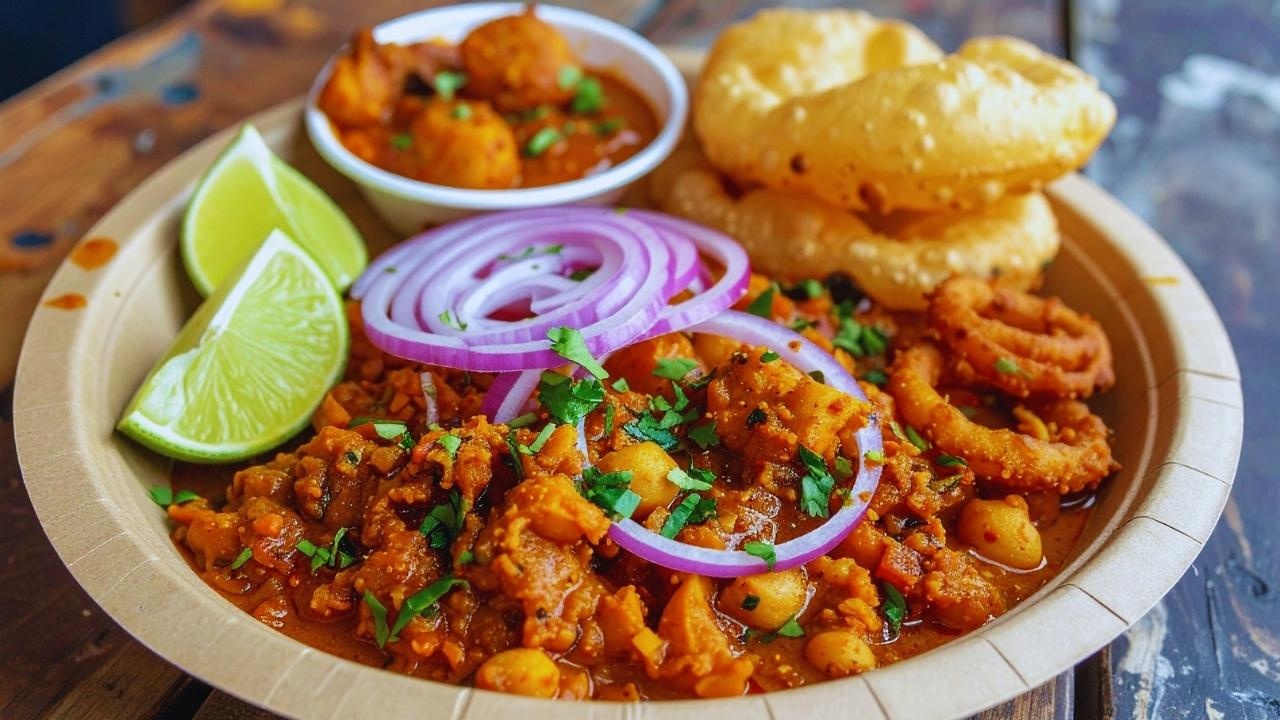
A Culinary Transformation Inspired by the Streets
Street food carries a profound emotional essence. It is intertwined with communities, shaped by cultural narratives, and enriched by history. From sizzling grills at street corners to bustling market stalls, street food does more than satisfy hunger—it invokes memories, traditions, and identity.
However, an exciting shift is underway. These cherished dishes, once local gems, are now gracing upscale dining establishments, Michelin-star venues, and global culinary events. Chefs worldwide are not just replicating these iconic street delicacies; they're presenting them with a touch of elegance, precision, and artistic flair.
The outcome? A culinary movement where authenticity joins forces with sophistication—much to the delight of discerning diners.
The Sentimental Appeal of Street Food
What makes street food special? It resonates with emotion, belonging, and lived experiences. Diners don’t simply consume it—they connect with it. These dishes evoke nostalgia, representing childhood memories, celebrations, late-night indulgences, university days, and comfort through adversity.
When patrons invest in street-inspired fine dining, they purchase more than just ingredients—they buy nostalgia, a narrative, the essence of culinary artistry.
This emotional bond transcends borders and unites people.
From Local Markets to Upscale Tables
Globally, classic favorites are being reimagined:
– Truffle tacos with aged cheddar
– Golgappa spheres infused with avocado mousse or flavorful herbs
– Ramen enhanced with premium broths and heirloom produce
– Bao buns filled with gourmet ingredients
– Kebabs paired with caviar-infused sauces
– Empanadas featuring artisanal cheese blends
– Satay skewers utilizing heritage meats or inventive vegan options
Even traditional desserts like kulfi, churros, and mochi now find their place on tasting menus, adorned with innovative textures and bold presentations.
Fine dining now extends beyond French sauces and luxury ingredients. It draws inspiration from streets worldwide, from Mumbai to Mexico City, Bangkok to Beirut, and Istanbul to Seoul.
Chefs as Cultural Narrators
Today’s chefs are more than mere cooks—they are cultural narrators. They carry the responsibility of preserving authenticity while exploring new forms.
Their aim is not to alter street food but to respect it while showcasing fresh possibilities. Their menus tell stories:
– Rediscovered childhood flavors
– Regional customs introduced to a global audience
– Heritage recipes maintained through innovation
– Grandmother's techniques enhanced by modern precision
This reverence sparks a new chapter of culinary diplomacy, where food transcends cultural boundaries and fosters appreciation instead of viewing dishes as mere fleeting trends.
Ingredients with a Story
Successful street food relies on simplicity. Yet, this simplicity is not about absence but clarity and technique, something fine-dining chefs embrace further.
They prioritize:
– Cold-pressed oils
– Premium grains and heirloom vegetables
– Ethically sourced proteins
– Artisanal cheeses and assorted spices
– Organic greens and seasonal produce
They explore fermentation, dehydration, slow cooking, and creative plating, all the while retaining the essence—spices delivering heat, sauces maintaining depth, playful textures, and vibrant aromas.
Quality becomes a tribute to heritage.
Global Flavors, Local Pride
With the rise of global travel and digital connections linking kitchens across borders, diners are more curious than ever. They seek authenticity, exploration, and storytelling through cuisine.
This curiosity has ignited a pride in local cultures. Rather than solely adopting Western techniques, chefs are proudly showcasing their origins.
Flavors deriving from Indian, Filipino, Middle Eastern, African, Latin American, and Southeast Asian street foods are now regarded as respected culinary languages enriching fine-dining conversations globally.
Experience Over Presentation
Traditional fine dining emphasized formality—crisp white linens, fine cutlery, and hushed rooms. Today’s focus lies on the experience.
Modern diners desire:
– Flavor journeys
– Interactive dishes
– Culinary storytelling
– Cultural theatricality
– Immersive presentations inspired by street culture
Imagine receiving a dish on mini clay plates or banana leaves, while a server narrates its street-corner origin as they pour a hot broth. A bite that surprises, blending comfort and sophistication.
Experience becomes the companion to flavor.
Sustainable Street Food Evolution
This blend of ethnic street cuisine and fine dining is also aligned with sustainability. Many traditional dishes emphasize minimal wastage, smart serving sizes, plant-focused ingredients, and local sourcing—practices now prioritized in contemporary culinary ethics.
Heritage grains, root vegetables, and seasonal produce prominently grace upscale menus as sustainability champions. It’s a return to earth, away from industrial focus.
The Growth of Plant-Based Street Cuisine
Plant-focused dishes harmonize effortlessly with ethnic street flavors. Various cultures boast rich vegetable-based traditions—think chaat, falafel, hummus, stir-fried greens, tofu dishes, bean stews, and coconut curries.
Chefs are now transforming these with:
– Smoky elements
– Elegant gels and foams
– Modern fermentation
– Artisanal dairy alternatives
– Heritage spices
Plant-based gourmet street cuisine is becoming a genre unto itself.
Thoughtful Fusion
Fusion once invited confusion, blending elements carelessly for novelty. Today, it represents considerate cultural amalgamation.
Chefs honor regional methods and introduce other traditions only when ideologies align. You may witness:
– Japanese-Mexican fusions
– Middle Eastern-Mediterranean combinations
– Indian-Thai experiments
– Korean-American culinary intersections
Integrity, not gimmickry, defines this trend.
What Diners Seek Today
The modern diner appreciates:
– Innovation rooted in tradition
– Dishes with emotional resonance
– Responsibly sourced ingredients
– Culinary celebrations of culture
– Bold flavors presented elegantly
– Engaging dining experiences
Food transcends consumption—it must be felt.
Conclusion
The ascent of ethnic street food into fine-dining symbolizes a tribute to authenticity, memory, and cultural richness. It illustrates that true value often resides in roots, not in rarity.
This movement cherishes forgotten recipes, elevates street vendors globally, sparks culinary innovation, and connects people through shared food narratives.
Elevated street food is not merely luxury—it is heritage, affection, and lived experience served with grace. In this evolution, the street seamlessly ascends, with flavor leading the way.
Disclaimer:
This article serves editorial and informational purposes. Culinary perspectives reflect current global trends and interpretations. Preferences may vary by region, culture, and personal taste.