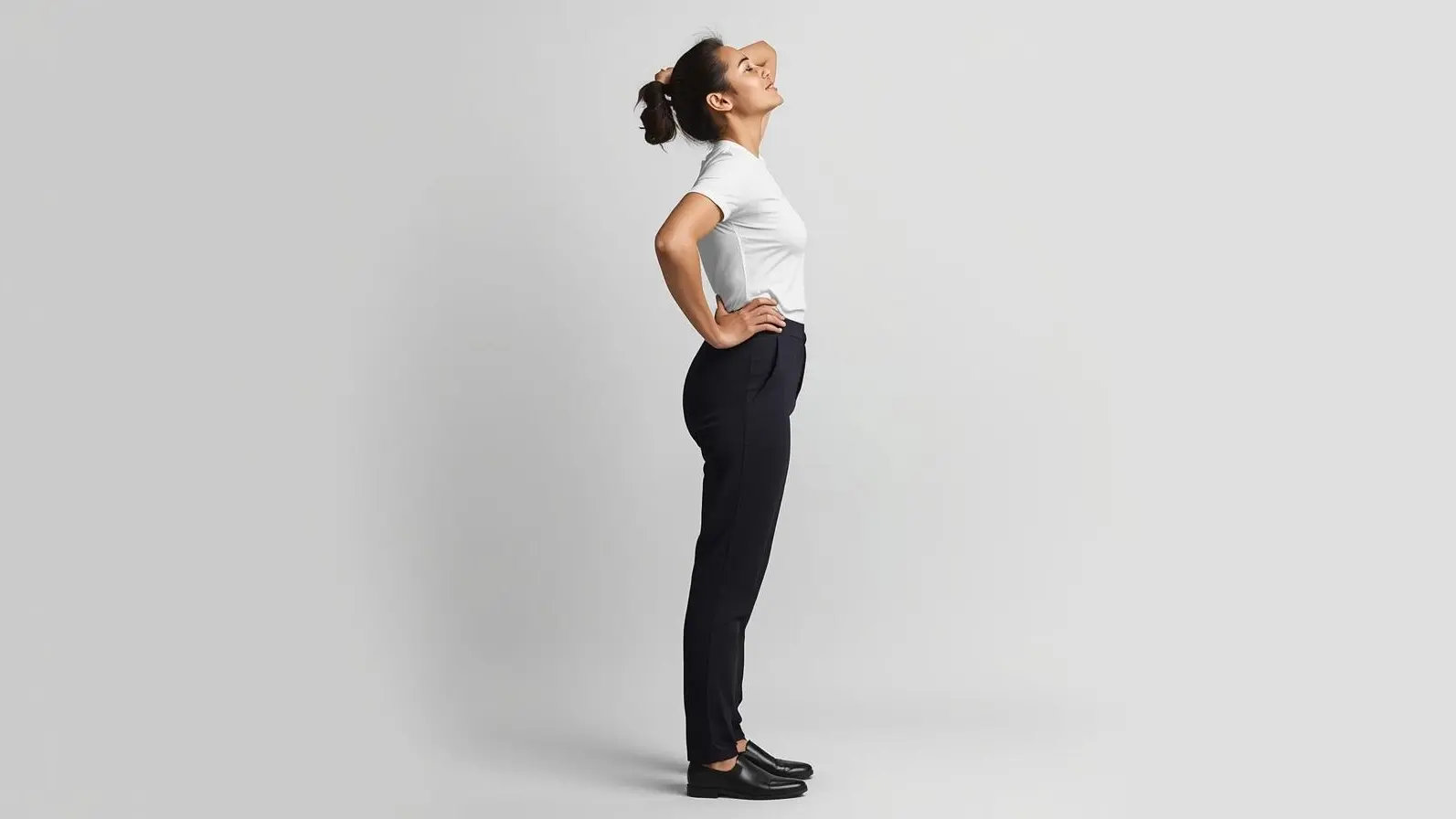
The Effects of Daily Posture on Health
Posture goes beyond mere sitting or standing; it significantly impacts muscles, joints, breathing, digestion, and mental well-being. In our screen-centric lives, bad posture has emerged as a key contributor to persistent pain and fatigue.
Your daily activities—be it desk work, screen time, long driving, or inactivity—dictate how your body performs. This article dives into posture's impact on health, highlighting the importance of everyday habits over sporadic exercise and presenting ways to enhance quality of life.
Understanding Posture
Posture is the alignment of the body during various activities. Optimal posture helps in maintaining balance among bones, muscles, and joints while minimizing strain.
Poor posture, occurring when the body remains misaligned over extended periods, creates stress patterns affecting multiple bodily systems.
Modern Lifestyle's Effects on Posture
The human body thrives on movement, not on excessive sitting or screen engagement.
Common Habits That Damage Posture
-
Extended sitting
-
Slumping over devices
-
Forward head posture while viewing screens
-
Weak core and back muscles
-
Insufficient physical movement
These habits gradually alter muscle tension and joint positions, often causing damage without immediate discomfort.
The Spine: Our Central Support
The spine is the crucial structural unit of our body, safeguarding the spinal cord and facilitating movement.
The Impact of Poor Posture on the Spine
-
Increased pressure on spinal discs
-
Muscle imbalances around the spine
-
Decreased shock absorption
-
Heightened risk of disc degeneration
Slumped posture alters the spine's natural curves, leading to long-term wear and tear.
Chronic Pain and Posture Connection
Bad posture ranks among the primary causes of chronic pain.
Most Affected Areas
Impact on Breathing
Posture has a direct bearing on your breathing quality.
Consequences of Poor Posture on Breathing
-
Compression of the chest
-
Restricted lung expansion
-
Shallow breathing
-
Decreased oxygen intake
Bad posture hampers diaphragm movement, leading to reliance on shallow breathing, compromising oxygen delivery and inducing fatigue.
The Energy Drain Factor
Many feel fatigued not merely from lack of sleep, but due to inefficient bodily function.
How Poor Posture Depletes Energy
Digestion's Hidden Connection to Posture
Your seated position can affect your digestive system.
Consequences of Poor Posture for Digestion
-
Compression of abdominal organs
-
Delayed digestion
-
Increased bloating and acid reflux
-
Restricted gut motility
Sitting upright aids natural organ function without putting excessive pressure.
Impact on Circulation
Healthy circulation relies on unimpeded pathways and balanced musculature.
Consequences of Poor Posture on Circulation
Joints and Mobility
Joints should ideally distribute weight evenly.
Effects of Misalignment on Joints
-
Uneven stress on joints
-
Accelerated cartilage degeneration
-
Heightened stiffness
-
Restricted mobility
Such issues can lead to arthritis-like symptoms, even in younger individuals.
Mental Health Implications
Our body and mind are intricately connected.
Psychological Ramifications of Poor Posture
The Nervous System Connection
The spine safeguards the spinal cord, a critical nervous system component.
Effects of Poor Posture on Nerves
Sleep Posture Matters
Your posture doesn't cease in sleep.
Poor Sleeping Posture Effects
Recognizing Early Warning Signs
Early indicators are often overlooked.
Common Symptoms
-
Frequent neck or back tightness
-
Headaches post-screen time
-
Rounded shoulders
-
Uneven shoulder or hip heights
-
Fatigue after prolonged sitting
Tackling posture issues early can prevent long-term problems.
Long-Term Health Implications
Posture impacts longevity and aging.
-
Chronic musculoskeletal discomfort
-
Decreased mobility in later years
-
Elevated risk of injuries
-
Reduced independence
Proper posture aids graceful aging and sustained physical health.
Simple Steps for Posture Improvement
Enhancing posture doesn't always entail drastic action.
Daily Changes to Consider
-
Adjust monitor height to eye level
-
Keep feet flat while seated
-
Gentle core engagement
-
Take breaks for movement hourly
-
Avoid prolonged immobility
Sticking to consistency is more impactful than intensity.
Strengthening Posture-Supporting Muscles
Key Muscle Groups to Target
Mindfulness in Posture Health
Awareness is crucial for improvement.
Enhancing Posture Awareness
-
Monitor posture during device use
-
Observe shoulder and head angles
-
Make adjustments frequently, rather than forcing corrections
Small, ongoing changes yield more effective results than singular adjustments.
Boosting Productivity with Good Posture
Advantages of Correct Posture
When to Seek Expert Help
Consult professionals if:
-
Pain persists despite self-care
-
Experiencing numbness or weakness
-
Posture issues hinder daily activities
-
Existing injuries or structural concerns
Addressing issues promptly helps avoid permanent damage.
Understanding the Broader Influence of Posture
Posture forms a fundamental health habit rather than a fleeting adjustment. It determines mobility, respiration, digestion, mental clarity, and aging. Enhancing posture translates directly to better health, as the body operates optimally when aligned.
Conclusion on Daily Posture
Your posture mirrors your daily care for your body. Repeated minor habits can profoundly affect your long-term health. Improved posture leads to decreased pain, boosted energy, and enhanced bodily function.
Focusing on posture means prioritizing awareness, balance, and consistency.
Disclaimer
This content is for informational purposes only and is not a substitute for professional advice. Variations in individual health conditions necessitate consultation with a qualified healthcare or physiotherapy professional if discomfort persists.