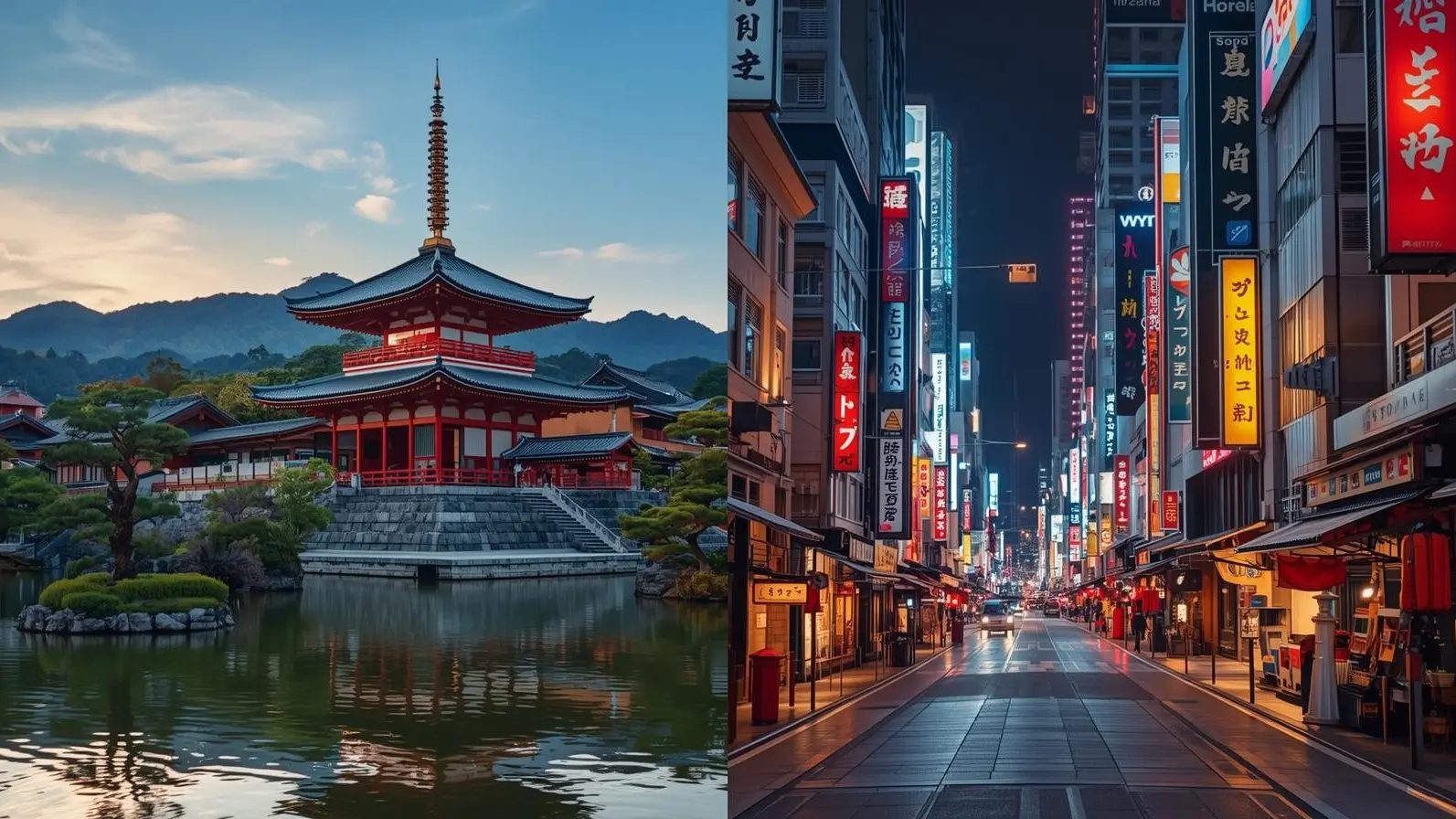
Exploring Why Kyoto Attracts First-Time Visitors More Than Tokyo
When planning a trip to Japan, many first-time travelers wrestle with a key decision: which city to explore first. Both Kyoto and Tokyo feature prominently on most travel lists, yet an growing number of newcomers are finding a stronger pull towards Kyoto. This growing trend reflects a shift in what travelers look for—authenticity, cultural immersion, and ease—particularly when making their inaugural visit abroad to Japan.
Kyoto provides an experience that contrasts sharply with the brisk tempo of Tokyo, offering a direct and heartfelt introduction to traditional Japanese culture, all while avoiding the overwhelming hustle and bustle of metropolitan life.
Kyoto Embodies the “Japan of Imagination”
Images of temples, cherry blossoms, traditional houses, tea ceremonies, and stunning natural backdrops often shape first-time travelers' visions of Japan. Kyoto embodies these elements naturally.
In contrast, while Tokyo is intriguing, its vibe feels closer to other bustling global cities, making it less quintessentially Japanese upon arrival.
What does this mean for newcomers?
Exploring a new country can be daunting, and visitors seek assurance that their experiences reflect the images they’ve cherished for years. Kyoto fulfills these expectations seamlessly.
-
Authentic traditional architecture remains intact
-
Cultures and customs are woven into daily life
-
Visible history encompasses every corner
These factors contribute to a feeling of completeness and fulfillment.
Navigating Kyoto is Stress-Free for First-Time Visitors
Tokyo’s vast expanse and frenetic pace can be daunting for those unfamiliar with its language and transport systems.
In contrast, Kyoto offers a more compact and serene environment.
How Kyoto Minimizes Travel Anxiety
-
Fewer subway lines compared to Tokyo
-
Walkable ancient districts
-
Slower lifestyle pace
-
Clear distinctions between tourist hotspots and residential areas
Visitors often feel more self-assured about exploring Kyoto without constant navigation concerns.
Cultural Immersion is Core, Not Additional
In Kyoto, culture envelops you rather than being something you search for.
Immersive Cultural Experiences
-
Temples and shrines coexist with everyday life
-
Festivals are held in local neighborhoods
-
Traditional artisans work openly
-
Seasonal customs are observed and visible
Cultural connections in Kyoto are made simply by booking a stroll; whereas in Tokyo, such experiences often require complex planning.
Attractions in Kyoto Are Profound, Not Distracting
Tokyo’s unending array of activities—shopping, nightlife, and culinary delights—can be captivating, yet its variety can hinder focus.
Kyoto’s experiences are fewer yet deeper.
Why Depth is Beneficial for First-Time Travelers
-
Travelers can relish their experiences
-
Memories made are more meaningful
-
Fewer regrets about “missing out”
Kyoto encourages thoughtful exploration rather than frantic sightseeing.
Kyoto Promotes a Relaxed Travel Pace for First-Time Explorers
Venturing out for the first time internationally can bring fatigue—new languages, cuisines, and customs. Kyoto’s soothing rhythm aids in easing stress.
Encouraging Calm, Slow Travel
-
Tranquil evenings and quieter nights
-
Peaceful public areas
-
Respectful ambiance in temples and gardens
-
Emphasis on thoughtful observation over hectic experiences
This allows visitors to process their journey on an emotional level.
Experiencing Kyoto’s History is Accessible
Having served as Japan’s capital for more than a millennium, Kyoto’s history is observable—not confined to museums; it thrives in the streets, practices, and urban layout.
Your Connection to Kyoto’s History
-
Neighborhoods unchanged for centuries
-
Shrines integrated into everyday routines
-
Seasonal traditions are carefully preserved
-
Generational businesses still thriving
These continuities provide first-time visitors an emotional resonance, making the experiences genuine and heartfelt.
Tokyo Presents a Multi-Faceted Cityscape
In Tokyo, ancient shrines coexist with towering skyscrapers; serene streets neighbor vibrant districts. While intriguing, this range can bewilder first-time visitors.
Kyoto instead showcases a consistent cultural identity.
-
One prevailing cultural narrative
-
Clear historical storyline
-
Unified aesthetic throughout the city
This cohesiveness makes Kyoto more approachable in both emotional and visual terms.
Food in Kyoto is Less Overwhelming
Tokyo features an acclaimed culinary scene but can inundate newcomers with its plethora of options and high standards.
In Kyoto, the focus is on simple, seasonal, and balanced meals.
How First-Time Visitors Relate to Kyoto’s Cuisine
-
Smaller, more manageable menus
-
Significant focus on seasonal produce
-
Gentle explanations of dining etiquette
-
Lower pressure to “get it right”
Dining in Kyoto is calming rather than competitive.
Nature is Interwoven with City Life
Surrounded by mountains and rivers, Kyoto’s relationship with nature is integral to its identity.
Enhancements for the First-Time Traveler
-
Accessible scenic walks
-
Temples framed by lush greenery
-
Seasons changing visibly
-
Reduced sensory overload
For travelers adjusting to life in a new country, this natural connection provides grounding.
Kyoto is Naturally Photogenic
Newcomers often seek meaningful photographs, not just typical tourist spots.
Kyoto offers:
-
Soft, gentle lighting
-
Streets enriched with tradition
-
Avoidance of visual clutter
-
Seasonal beauty
Photos turn out feeling organic and timeless, even with ordinary cameras.
Aligning with Emotional Resonance of Japan
For first-time travelers, emotional engagement is just as vital as practical elements.
Kyoto reflects:
-
Respect and tranquility
-
Rituals that breathe
-
Appreciation for simplicity
-
Continuity of culture
Whereas Tokyo may challenge these expectations, Kyoto consistently affirms them.
Tokyo Often Becomes a Preferred Second Visit
After having explored Kyoto, many travelers express finding more enjoyment in Tokyo upon revisiting.
Why Visit Sequence Matters
Kyoto lays the foundation for cultural context, enriching the experience in Tokyo subsequently.
Without this, visitors may find Tokyo impressive but lacking an emotional connection.
Making First-Time Travel a Meaningful Journey
Initial experiences shape enduring impressions.
By the end, Kyoto offers:
Addressing Common Concerns for First-Time Visitors
Why First-Time Travelers Reflect More Fondly on Kyoto
Upon reflection, the moments spent in Kyoto often stand out:
-
Quiet, golden walks at dawn
-
Temple bells resonating at dusk
-
Seasonally enchanting scenery
-
Surprising, intimate cultural experiences
These instances convey personal significance rather than a mere tourist experience.
The True Essence of Kyoto’s Authenticity
Kyoto doesn’t aim to dazzle—it seeks to preserve.
This intentional simplicity fosters genuine experiences.
First-time travelers don’t just observe; they engage.
Preferring Kyoto Does Not Equate to Neglecting Tokyo
Choosing Kyoto doesn’t imply discounting Tokyo.
It’s more about recognizing what first-time explorers genuinely need:
-
Familiarity before excitement
-
Meaningfulness before spectacle
-
Depth over variety
Kyoto fulfills that essential requirement.
Your Final Thoughts on Kyoto’s Appeal for New Visitors
Our exploration reveals that Kyoto draws first-time visitors not for its quantity, but for its focus on what truly matters early on. It provides a compassionate, beautiful introduction to Japan.
Once that initial bond is formed, travelers are well prepared for the allure of Tokyo's vastness and pace.
Kyoto doesn’t compete with Tokyo—it sets the stage for it.
Disclaimer
This piece is intended for travel insights and guidance. Individual travel experiences vary based on numerous factors, including preferences, timing, and budget. Cultural perceptions are inherently subjective. We encourage thorough research and personal considerations when planning travel itineraries.