During the IMF-World Bank Spring Meetings 2026 held in Washington, D.C., leaders from Thailand and Singapore engaged in crucial discussions focused on alleviating the immediate and long-term challenges posed by the ongoing energy crisis. Their collaboration emphasized the need for a unified international approach as global economic uncertainties mount due to geopolitical strife and unstable energy markets.
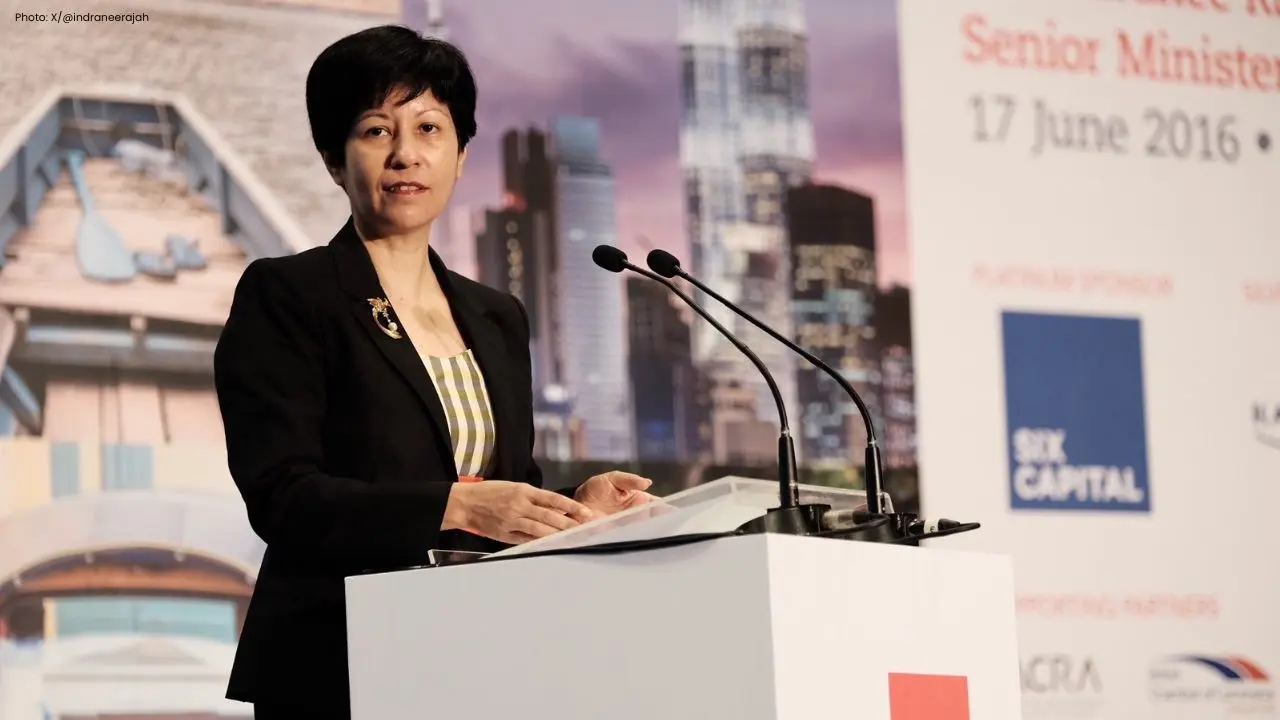
Dr. Ekniti Nitithanpraphas, Thailand’s Deputy Prime Minister, met with Singapore’s Indranee Rajah, Minister in the Prime Minister’s Department, highlighting the urgent necessity for enhanced bilateral cooperation. The key topic was the impact of recent tensions regarding Iran, amplifying concerns for energy supply chains and market stability.
Both leaders critically analyzed the situation surrounding the Strait of Hormuz, a vital shipping lane for global oil transport. Any disruption in this area could lead to drastic fuel price hikes and broader economic challenges. The pressure on economies, especially in developing regions reliant on imports, was a significant point of concern.
The discourse covered a variety of policy options to mitigate these pressures, including measures to stabilize supply chains and address inflation, ensuring that economic resilience is maintained amid external disruptions. The leaders underscored the importance of proactive planning and coordinated actions to navigate the unpredictable global environment.
Looking beyond immediate issues, the meeting also emphasized fostering long-term regional cooperation within the ASEAN framework. Commitment was expressed towards a structured financial agenda, preparing for Singapore to chair ASEAN in 2027 and followed by Thailand in 2028, aligning economic initiatives for regional growth.
A significant area for future partnership is the integration of artificial intelligence in financial services. This move aims to boost efficiency and enhance resilience in rapidly changing technological landscapes. Moreover, the advancement of regional energy projects, such as the ASEAN Power Grid initiative, was recognized as essential for sustainable energy security.
The leaders emphasized the expansion of cross-border financial services to strengthen connectivity among ASEAN nations. By promoting financial integration, member states can better withstand economic shocks and seize new opportunities, ultimately reinforcing Thailand and Singapore's shared vision for a more stable and interconnected regional economy.