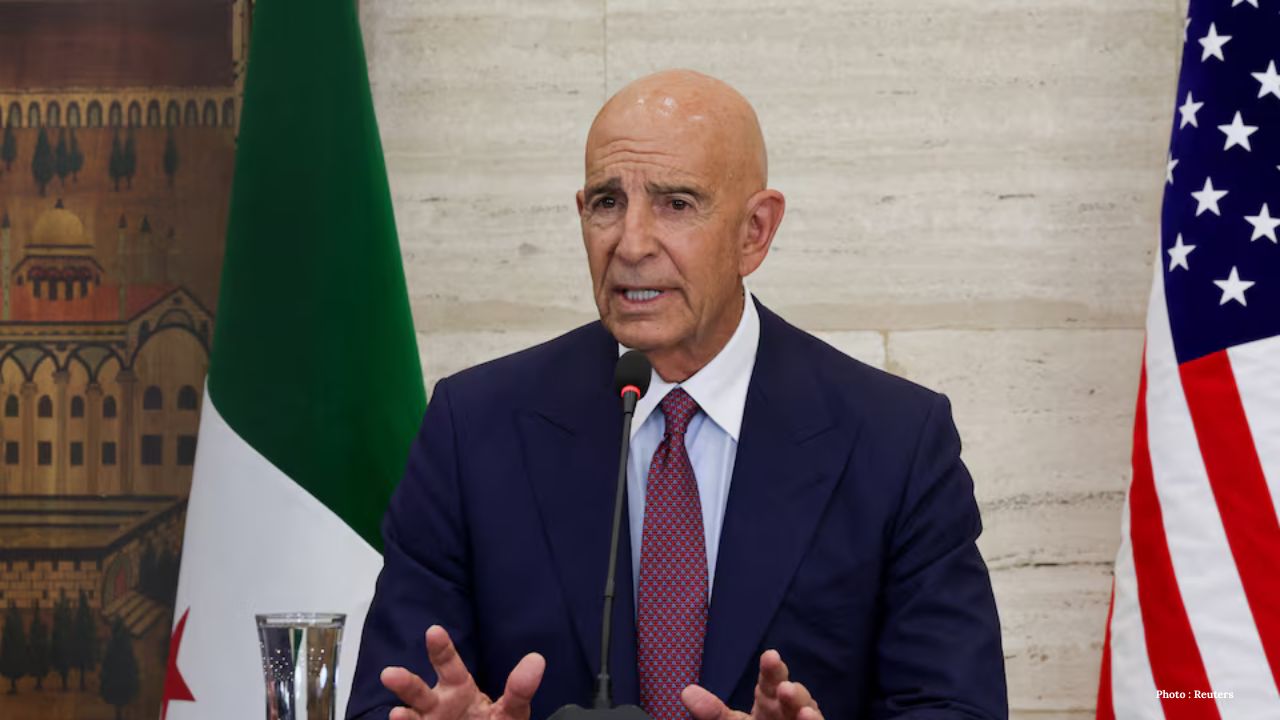
Syria and Israel are reportedly close to reaching a “de-escalation” agreement, which could reduce tension along their border. According to U.S. Special Envoy for Syria Tom Barrack, the deal would involve Israel stopping its attacks, while Syria would agree not to move heavy machinery or equipment near the border.
This agreement is seen as the first step toward a larger security deal between the two countries, which have been long-time adversaries in the Middle East. Barrack spoke about the talks on the sidelines of the United Nations General Assembly in New York.
Background of the Conflict
Israel and Syria have had a tense and hostile relationship for decades. Territorial disputes, political mistrust, and security concerns have kept the two countries at odds. Israel has often criticized Syria’s government, pointing to alleged links with Islamist groups, and has lobbied the U.S. to prevent Syria from becoming stronger.
In December last year, after a rebel offensive overthrew Syria’s longtime President Bashar al-Assad, Israel increased its military activity in southern Syria. Israeli forces carried out more than 1,000 airstrikes and over 400 ground operations, pushing troops close to Damascus and encroaching into previously demilitarized zones.
Syria, now led by President Ahmed al-Sharaa, has expressed concern over Israel’s aggressive actions. Sharaa, a former rebel leader with past ties to al Qaeda, said Israel may be delaying the talks.
The Proposed De-Escalation Agreement
The proposed agreement is designed to reduce violence and prevent further conflict. Under the deal:
Israel would halt its airstrikes and military incursions.
Syria would refrain from moving heavy equipment near the Israeli border.
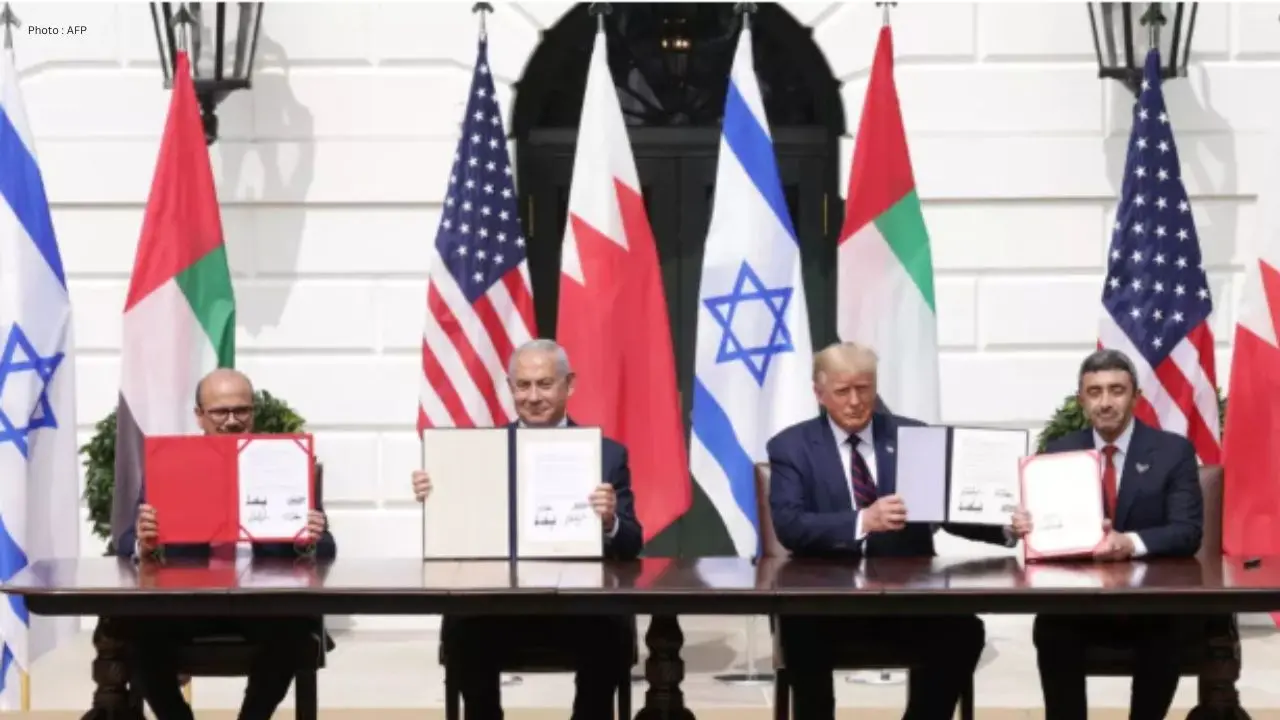
U.S. officials hope this agreement could pave the way for a more comprehensive security treaty that addresses long-standing tensions and builds trust between the two nations.
Challenges to the Talks
Progress on the agreement has been slow. U.S. President Donald Trump has sought a resolution that could be announced quickly, but negotiations have been affected by the Jewish New Year, Rosh Hashana, and other diplomatic hurdles.
Both sides are approaching the talks in good faith, according to Barrack. However, decades of mistrust, territorial disputes, and the ongoing effects of past conflicts make negotiations delicate and complex.
Why This Matters
A de-escalation agreement between Syria and Israel could have major benefits for the region:
It could reduce violence along the border, saving lives and preventing destruction.
It may serve as a first step toward lasting peace, encouraging dialogue instead of conflict.
The agreement could strengthen U.S. diplomatic influence in the Middle East, showing that mediation can help resolve long-standing disputes.
Experts say that even a small agreement like this is important because small steps often lead to bigger peace deals. Both countries have much to gain by avoiding further conflict.
Looking Ahead
The coming days will be critical in the negotiations. U.S. officials, including Tom Barrack, are continuing talks with both countries to finalize the details. While challenges remain, diplomats hope the agreement will mark a turning point in Syria-Israel relations.
For citizens in the region, any reduction in conflict will bring hope for safety and stability. The international community will be watching closely, as a successful agreement could set an example for resolving other conflicts in the Middle East.