Super Typhoon Ragasa, the strongest tropical cyclone in the world this year, has caused serious damage in parts of East Asia. The storm brought extremely strong winds, huge waves, and heavy rain to Taiwan, Hong Kong, and nearby regions, leaving destruction in its path.
In Taiwan, the storm caused the deaths of 14 people. A barrier lake in Hualien county, in eastern Taiwan, overflowed due to the heavy rain. The water rushed into a town, destroying homes and streets. The Taiwan fire department confirmed the incident, and rescue teams worked to help people affected by the flood. Residents in Taiwan have been experiencing rain and strong winds from Ragasa since Monday.
Severe Flooding in Hong Kong
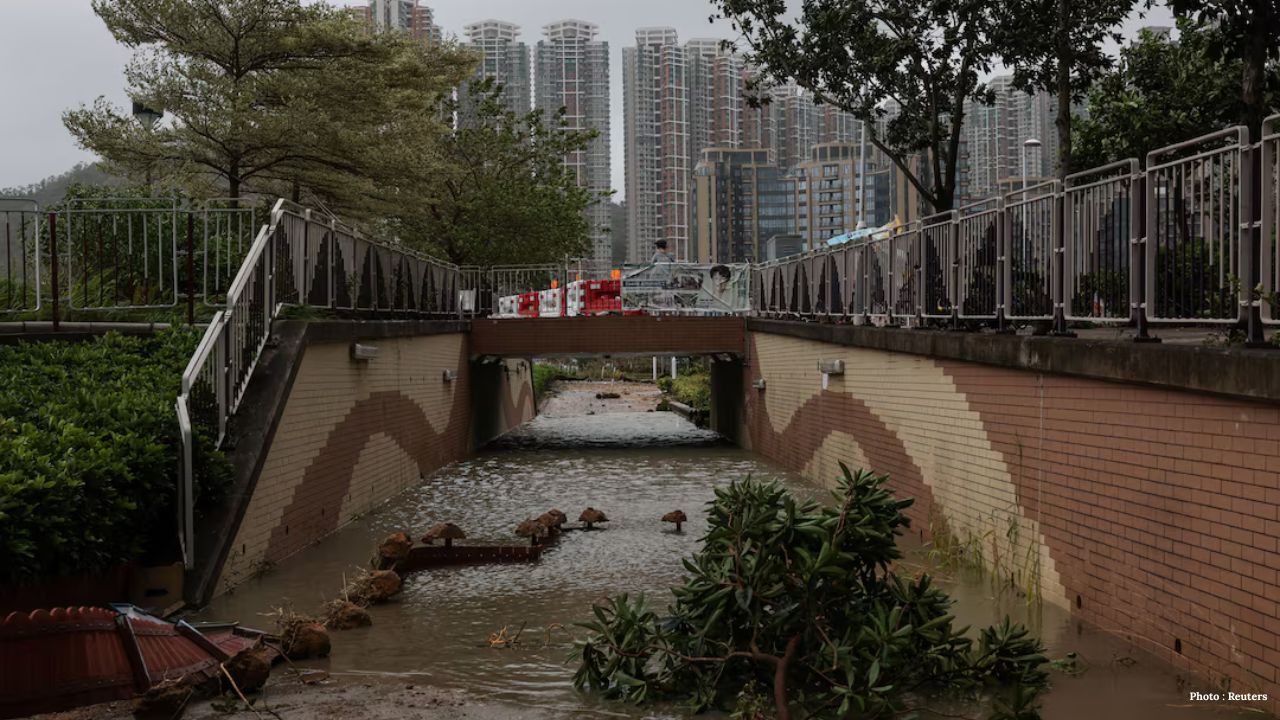
Hong Kong, a major city and financial center, was also hit hard by the typhoon. Huge waves crashed over the eastern and southern shorelines, flooding roads, beaches, and residential areas. Videos on social media showed water rushing into the Fullerton Hotel, submerging floors and causing panic.
In Tseung Kwan O, a busy residential area built on reclaimed land, the waterfront promenades were submerged, and the waves reached the tall residential towers nearby. On islands such as Lantau, where Hong Kong’s international airport is located, widespread flooding affected beaches, vegetation, and streets.
The Hong Kong Observatory warned that the waves and sea levels could reach heights similar to past deadly typhoons, such as Hato in 2017 and Mangkhut in 2018, both of which caused billions of dollars in damage. The Observatory also said that water levels could reach around 4 metres (13 feet) at the highest point during the storm.
Warnings and Safety Measures
Authorities in Hong Kong issued the Typhoon Signal 10, the highest warning level, urging people to stay indoors and suspend business and transport services. They also issued the Amber rainstorm signal, warning of continuing heavy rainfall and partially flooded streets.
Residents prepared by taping windows to reduce the risk of injury from broken glass. Despite warnings, some people risked going near the waterfront. A woman and her five-year-old son were swept into the ocean while observing the waves. They were rescued and admitted to intensive care.
To help people affected by the storm, the government opened 49 temporary shelters, and so far, 727 people have taken refuge.
Panic Buying and Flight Disruptions
The approaching typhoon caused panic buying in Hong Kong. People crowded supermarkets, leaving empty shelves and waiting for hours to get essential supplies. Hundreds of flights were cancelled at Hong Kong’s airport to ensure safety.
In Macau, which is next to Hong Kong, authorities also issued the No. 10 warning signal. Casinos were closed, and guests were unable to leave their properties during the worst part of the storm.
Moving Towards China’s Guangdong Province
Super Typhoon Ragasa is expected to move toward Guangdong Province in China, home to more than 125 million people. Authorities have evacuated over 770,000 people from coastal areas. Schools, transport services, and flights in cities like Guangzhou and Shenzhen have been suspended.
China’s marine authority issued its highest red wave warning, forecasting storm surges of up to 2.8 metres (9 feet) in parts of Guangdong. Emergency teams sent tents, folding beds, lighting equipment, and other rescue supplies to help affected people.
The Broader Impact
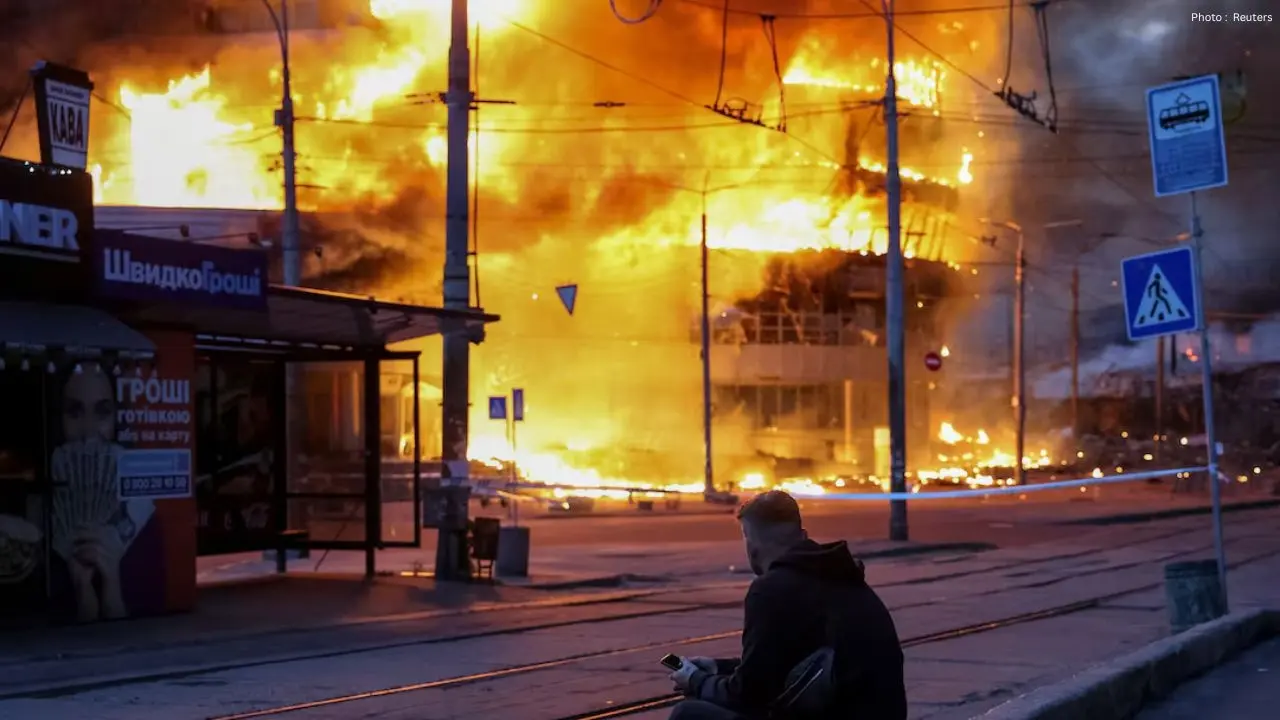
Super Typhoon Ragasa highlights the power and danger of tropical storms, especially in densely populated coastal areas. Heavy rains and strong winds can destroy homes, flood streets, and threaten lives. Flooding can cause power outages, water shortages, and block roads, making rescue work harder.
Experts warn that storms like Ragasa may become more frequent and stronger due to climate change. Rising sea temperatures and changing weather patterns can make typhoons faster, wetter, and more destructive.
Preparing for the Future
The storm shows the need for better preparation and stronger infrastructure in coastal cities. Governments are improving early warning systems, evacuation plans, and emergency shelters. Residents are advised to secure homes, stock food and water, and stay indoors during storms.
For Hong Kong, Taiwan, and China, the immediate task is to help victims, manage flooding, and restore daily life. In the long term, authorities must focus on reducing risks from future storms.
Super Typhoon Ragasa is a strong reminder of nature’s power. It has caused death, destruction, and panic, and more areas could be affected as it moves inland. Residents, governments, and emergency teams must work together to stay safe and protect lives.