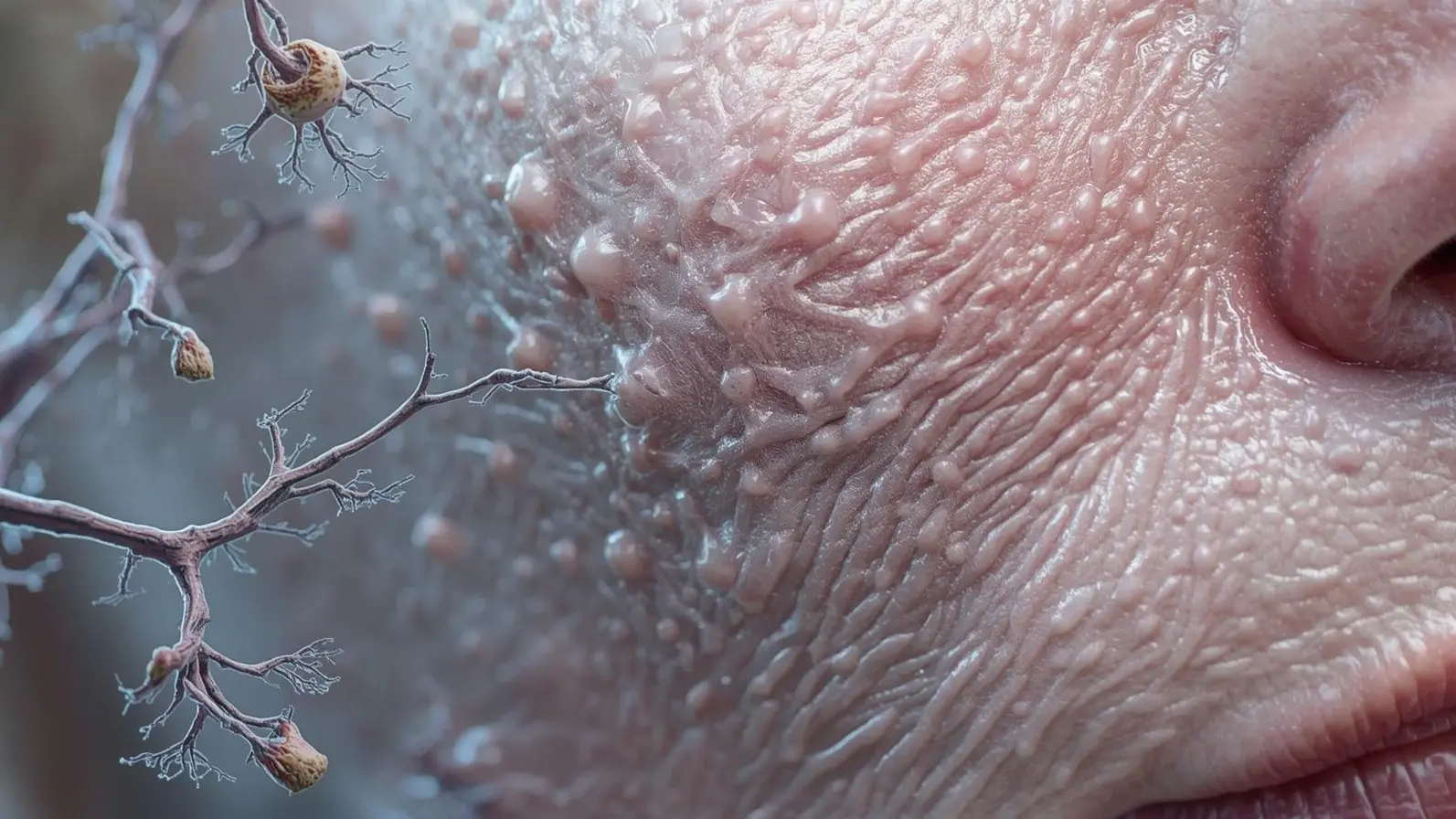
Subtle Signs of Aging: What to Watch for Before Wrinkles Manifest
Many assume aging becomes apparent only through wrinkles, fine lines, and sagging, but cellular and structural changes begin years in advance, often unnoticed until it’s too late. These early changes can be subtle, and may be misinterpreted as temporary skin issues, such as dehydration or seasonal fatigue.
By understanding the early indicators of aging, you can take proactive measures to protect your skin rather than solely attempting to reverse damage later. This guide elaborates on hidden skin alterations that signify aging long before any visible signs emerge, detailing their causes and how lifestyle can stealthily hasten aging.
Aging Begins Below the Skin's Surface
Aging isn't just surface-deep; it involves a deterioration of skin function. Even when your skin appears smooth, essential processes may already be declining.
Major internal changes include:
Sluggish cell turnover
Decreased collagen and elastin synthesis
Compromised skin barrier
Escalated oxidative stress
Lower moisture retention
These alterations usually commence in the mid-to-late 20s, well ahead of visible aging signs.
Gradual Decline in Skin Cell Turnover
Healthy skin continuously replaces dead cells with new ones.
What Changes First
Cell renewal begins to slow down
Dead skin builds up on the surface
Skin takes on a dull appearance
Initially, this doesn’t resemble aging; rather, it presents as tired or dehydrated skin.
Why Is This Important?
Slower cell turnover leads to:
Compromised Skin Barrier Function
One of the first and often overlooked signs of aging is damage to the skin barrier.
The Role of the Skin Barrier
Initial Signs of Barrier Dysfunction
Skin feels tight post-cleansing
Products cause stinging or burning sensations
Heightened sensitivity
Frequent breakouts despite dryness
Barrier damage can manifest years prior to the appearance of wrinkles.
Decline in Natural Hydration Retention
Staying hydrated isn’t just about using a moisturizer—it’s about how well your skin can retain water.
Signs of Early Hydration Decline
Skin feels dry even after applying moisturizer
Makeup doesn’t adhere well
Increased fine texture when smiling
Skin loses its plumpness temporarily
This is attributed to decreasing natural moisturizing elements and lipid production.
Initial Loss of Skin Elasticity
Elasticity is essential for the skin's bounce-back effect after movement.
Early Elasticity Changes
Recovery slows after stretching
Minor laxity appears around the eyes and mouth
Facial contours subtly soften
This initial phase often goes unnoticed due to its gradual progression.
Chronic Low-Grade Inflammation
Today's lifestyles subject skin to persistent micro-inflammation.
Factors Leading to Early Inflammation
Oxidative Stress Accumulates Early
Oxidative stress arises when free radicals outnumber the skin’s antioxidant defenses.
Reasons for Early Oxidative Stress
Initial Pigmentation Changes
Pigmentation doesn't start as dark spots.
Early Signs of Pigmentation
Uneven skin tone
Slight shadowing around the mouth or eyes
Reduced brightness
Long-lasting mild redness
These changes suggest melanin regulation issues, often triggered by sun exposure and inflammation.
Changes in the Skin Microbiome
Healthy skin is host to beneficial bacteria that provide protection.
Signs of Microbiome Imbalance
Collagen Production Declines Early
The loss of collagen begins sooner than many realize.
Collagen Decline Timeline
Changes Around the Eyes Before Wrinkles
The eye region exhibits signs of aging earliest due to the thinness of the skin.
Initial Eye-Area Alterations
Slight hollowness
Minor creasing while smiling
Dark circles not related to sleep
Fine lines due to dryness
These shifts indicate reduced hydration and collagen support.
Increased Skin Reactivity
Aging skin exhibits greater sensitivity.
Early Indicators
Unexpected product reactions
Redness from minor irritants
Heightened itchiness
This results from nerve endings becoming more exposed due to a thinning barrier.
Impact of Sleep Deprivation on Aging
Deep sleep facilitates skin repair.
Negative Effects of Poor Sleep
Decreased overnight repairs
Increased cortisol levels
Dull complexion
Weakened barrier recovery
Chronic sleep deprivation accelerates invisible aging more than genetics can.
Effects of Blue Light and Digital Aging
Extended screen time can harm skin.
Consequences of Blue Light Exposure
Creates free radicals
Triggers pigmentation changes
Disrupts natural circadian rhythm
Decreases repair hormones
This leads to premature dullness and an uneven skin tone.
Nutritional Deficiencies Impacting Skin
The condition of your skin reflects your nutritional health.
Common Deficiencies Associated with Early Aging
Vitamin C deficiency undermines collagen support
Vitamin D influences skin immunity
Zinc supports healing
Omega-3 fats bolster barrier strength
Deficiencies may not appear immediately but compromise the skin's resilience over time.
Stress Hormones and Accelerated Aging
Persistent stress increases cortisol levels.
How Cortisol Affects Skin
Lifestyle Choices That Promote Early Aging
Even in the absence of wrinkles, certain habits can cause hidden damage:
Strategies to Mitigate Early Skin Aging
Fortify the Skin Barrier
Make Daily Sun Protection a Priority
Nurture Your Skin from Within
Enhance Sleep Quality and Manage Stress
Limit Environmental Damage
The Importance of Early Awareness Over Treatments
Many anti-aging treatments primarily address visible damage. Focusing on pre-aging indicators:
Preserves natural skin functions
Delays the onset of visible aging
Minimizes the need for aggressive interventions
Ensures better long-term skin health
Skin begins aging quietly long before wrinkles form.
Final Thoughts on Underlying Skin Aging
Aging is not a sudden event; it represents a gradual, layered journey starting beneath the skin’s surface. By being aware of early changes, you can maintain your skin while it is still resilient, adaptable, and responsive. Embracing prevention isn’t about fearing aging; it’s about protecting skin health for the future.
Healthy skin ages more gracefully, slower, and better.
Disclaimer
This article serves an informational purpose and does not substitute for professional medical advice. Skin transformations and aging vary individually based on genetics, health, environmental factors, and lifestyle choices. For persistent skin concerns, please consult a qualified dermatologist or healthcare provider.