Photo:AP
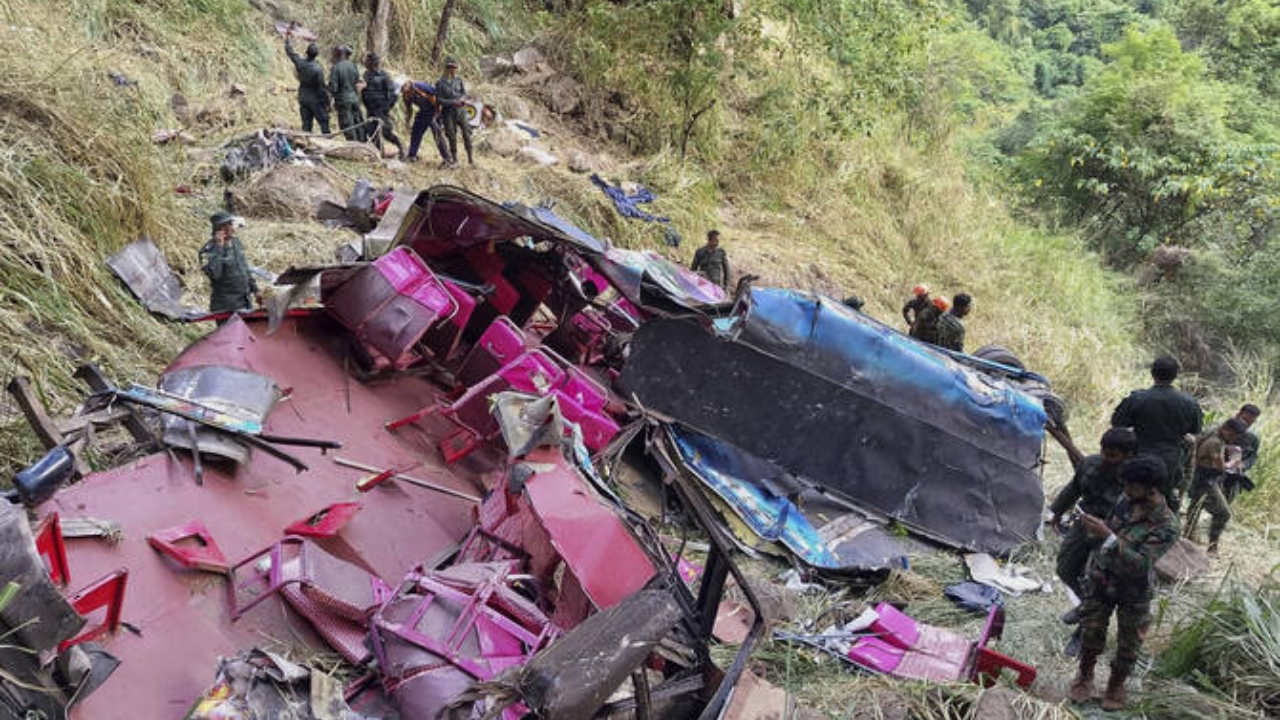
On Thursday, a devastating road accident shook Sri Lanka and captured international attention. A passenger bus, overloaded and traveling through the hilly terrains of the Badulla district, skidded off a cliff and plunged down a steep slope. The results were heartbreaking: at least 15 lives were lost, and another 16 passengers were left injured, several of them fighting for survival in nearby hospitals.
This accident is not merely a local tragedy. It is a reminder of the fragile state of road safety in developing regions, where infrastructure challenges, reckless driving, and insufficient enforcement combine to create conditions ripe for disaster.
The Scene of the Crash
The Badulla district is famous for its natural beauty, tea plantations, and winding mountain roads. But for local drivers and travelers, those same roads are well-known for their hazards. Narrow lanes cling to hillsides, sharp curves are frequent, and protective barriers are often weak or missing.
According to survivors and local officials, the bus was navigating one of these downhill curves when the driver apparently lost control. Whether due to speeding, mechanical failure, or sheer misjudgment, the vehicle left the road and plunged off the cliff. The collision was so severe that rescuers faced difficulty reaching the wreckage, highlighting the poor accessibility of some mountain routes.
Victims and Emergency Response
The passengers on board were ordinary Sri Lankans—workers, students, and villagers traveling between towns. For many families, the journey was part of their daily lives. Instead, it turned into a catastrophe.
Emergency responders, including police, medical staff and local villagers, worked together in the immediate aftermath. Injured survivors were rushed to hospitals in Badulla and nearby urban centers. Reports confirm that some of the injured are still in critical condition, underscoring how the death toll from this accident may rise in the days to come.
For families who lost loved ones, the tragedy is immeasurable. In hospital corridors, relatives gathered in grief, waiting for news of missing passengers, identifying the bodies of the dead, and struggling with shock.
A Known Danger: Road Accidents in Hill Country
Sadly, this event is not the first of its kind. Sri Lanka has recorded a series of grave accidents in its central and highland regions where buses and trucks frequently travel overcrowded and often in poor mechanical condition. The country sees thousands of road accidents annually, many concentrated in districts with challenging geography like Badulla, Nuwara Eliya, and Ratnapura.
Experts point to several causes:
-
Reckless driving and speeding, especially on sharp bends.
-
Poor vehicle maintenance, with buses often operating with worn brakes or old parts.
-
Inadequate infrastructure, including roads without safety rails or proper warning signals.
-
Limited enforcement of traffic rules in rural areas.
While accidents are common in these districts, each large disaster draws renewed calls for road safety reforms—calls that are often forgotten once public attention fades.
The Larger Picture: Development vs. Safety
This bus tragedy also reflects a broader tension in Sri Lanka and other developing nations: the balance between improving transport accessibility and ensuring adequate safety standards.
Public buses are lifelines for many Sri Lankans, especially in rural and hill country regions. They offer affordable transport to schools, workplaces, and markets. Yet, this reliance on buses also means high exposure to risks when safety standards are not upheld.
The government has expanded road networks in recent years, but critics argue that investments in safety infrastructure—guardrails, signages, speed monitoring—have lagged behind. Drivers, under economic pressure to complete routes quickly, often take unnecessary risks. The result is a system where passengers pay the ultimate price.
Government Response and the Path Forward
In response to Thursday’s accident, the Sri Lankan government has ordered a full inquiry. Prime Ministerial and provincial officials expressed sorrow, promised aid to the families, and pledged to investigate whether the crash was caused by negligence or technical failure.
Such statements are expected, but the true measure will be action. Safety experts recommend several key steps:
-
Road Infrastructure Upgrades – Stronger cliffside barriers and warning systems in hill country.
-
Stricter Safety Checks – Regular inspections for long-distance buses, especially older models.
-
Driver Training and Licensing – Ensuring hill-area drivers receive specialized training.
-
Passenger Safety Education – Encouraging citizens not to tolerate overcrowding or reckless driving.
-
Technology Aids – Wider use of GPS speed monitors and automated alerts on mountain routes.
Without such reforms, Sri Lanka risks repeating this cycle of accidents year after year.
Human Cost Beyond the Statistics
Editorially, it must be said: behind every road accident statistic lies unbearable human pain. For the 15 who died on Thursday, a normal day began like any other. Parents were on their way to work, children perhaps to school, travelers setting out to markets. None could have imagined their journey would end in tragedy.
This is why public pressure must remain strong. Road safety is not only about numbers or infrastructure budgets—it is about valuing human life enough to demand systemic change.