Photo: Reuters
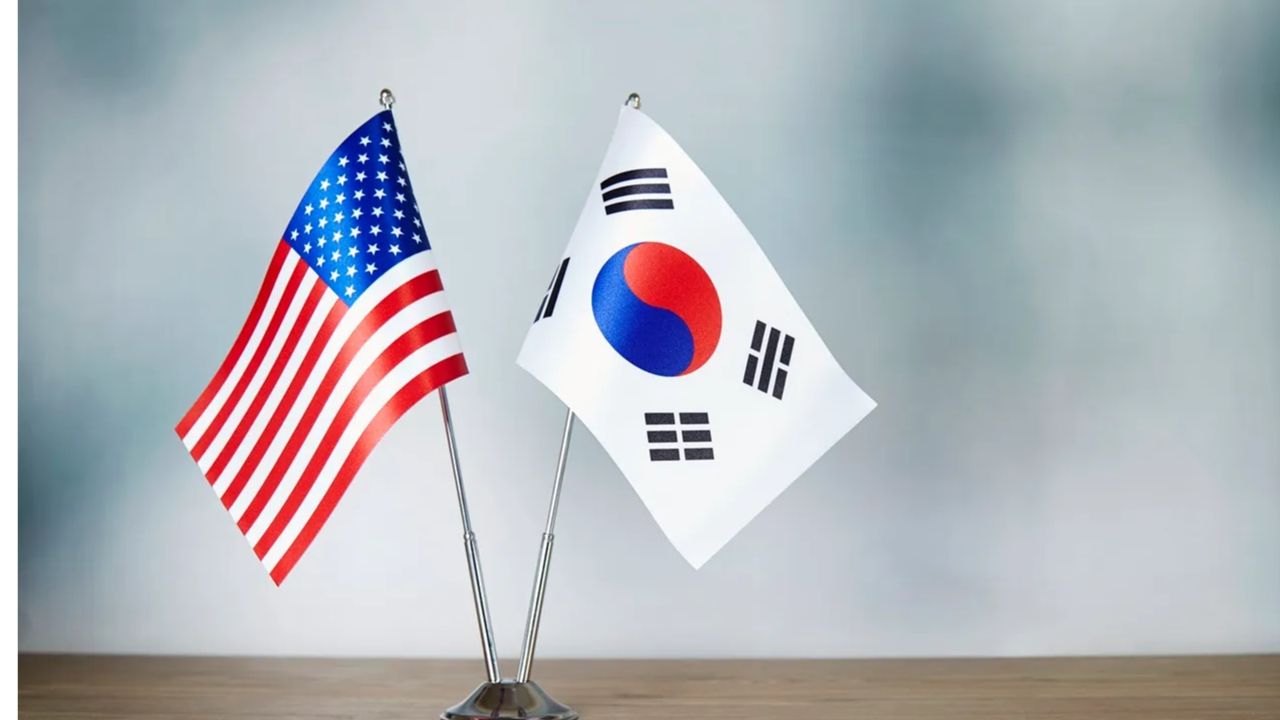
South Korea has promised to work closely with the United States to make visa rules clearer for Korean companies and workers. This decision comes after a recent immigration raid in America that shocked both workers and businesses.
Why the Issue Began
Last week, U.S. immigration officers raided a battery factory. During the raid, about 300 South Korean workers were detained. Many of them were working in the United States under the B-1 visa, a short-term business visa. These workers were not the main targets of the operation, but they were caught up in it because U.S. officials were searching for four other individuals.
The arrest of so many workers caused anger and worry in South Korea. Families were upset, and companies feared that more raids could happen in the future.
South Korea’s Response
Wi Sung-lac, South Korea’s top security adviser, said that the government will now speak with U.S. officials to set clear guidelines. These rules will explain what Korean workers can and cannot do under a B-1 visa.
He added that many workers are unsure whether it is safe to travel and work in America with this visa. Some U.S. officials see the rules differently from Korean businesses, creating confusion.
Wi explained that none of the workers admitted to any wrongdoing. On their official forms, they had declared no criminal activities. Because of this, he said they should not face problems if they want to return to America later.
Plans for the Future
South Korea is also thinking about a new visa program or quota for Korean professionals. This would help skilled workers move to the U.S. with fewer risks. But Wi admitted that it may not be easy to set up such a program, especially because the policies of President Donald Trump’s administration change often.
For now, the most urgent step is to ensure that workers already in America feel safe and secure.
The Workers’ Return
On Friday, hundreds of detained workers flew back to South Korea. Their return was emotional. Many had been handcuffed and shackled during the raid, something that upset South Korean officials deeply.
Wi said that his government had protested strongly to the U.S. about the way the workers were treated. But he also noted that the later talks with U.S. officials were positive. According to him, Washington listened to Seoul’s concerns and agreed to work together on a solution.
U.S. Position
President Trump had earlier suggested that the Korean workers could stay in the U.S. if they wanted. Despite the tension at the start, South Korea’s officials described the negotiations as “not very difficult” once discussions began.
Why This Matters
The incident has highlighted how visa misunderstandings can hurt international business. South Korean companies are major investors in the U.S., especially in industries like batteries, technology, and cars. If workers feel unsafe, it could affect cooperation between the two countries.
By working out clear visa rules, both governments hope to avoid another such incident. South Korea wants its people to work abroad with confidence, while the U.S. also wants to ensure immigration laws are followed.
Editorial View
This episode shows the importance of clear communication between allies. South Korea and the United States are strong partners in trade, defense, and technology. But trust can be weakened when workers face sudden legal risks.
South Korea’s demand for clear guidelines is reasonable and urgent. Workers need to know their rights and limits, and companies need assurance that they are not breaking rules by sending employees overseas. At the same time, the U.S. has the right to protect its borders, but it must also treat foreign workers fairly and respectfully.