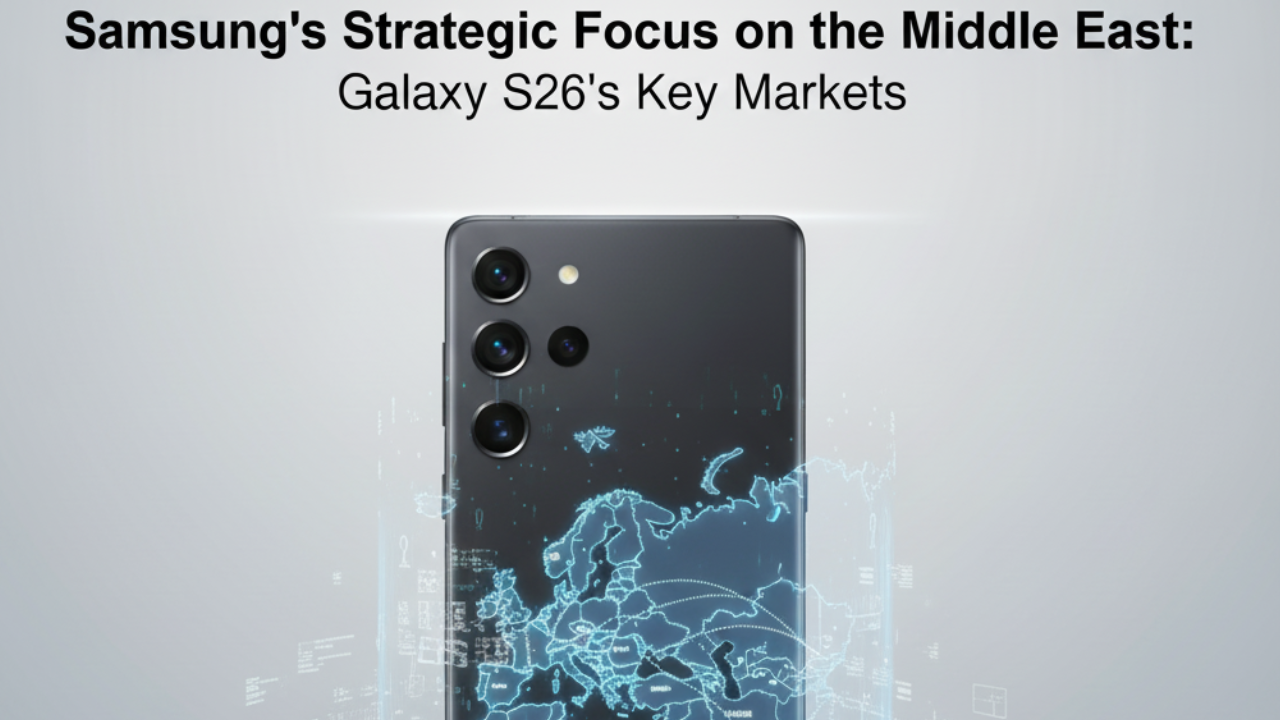
Samsung's Strategic Focus on the Middle East: Why the UAE & GCC Are Crucial for Galaxy S26's Success
Samsung has long recognized the Middle East as a pivotal market in its global smartphone strategy. The UAE and the broader GCC region, with their affluent consumer base and tech-savvy population, present significant opportunities for Samsung's latest flagship, the Galaxy S26. This article delves into why these markets are central to Samsung's success and how the company plans to leverage them.
Understanding the Middle East Smartphone Market
The Middle East's smartphone market is experiencing robust growth. Valued at USD 48.5 million in 2024, it's projected to reach USD 51.6 million in 2025, with a compound annual growth rate (CAGR) of 6.40% through 2033. This growth is driven by increasing smartphone penetration, a young demographic, and a strong inclination towards premium devices.
Samsung's Position in the UAE Market
In the UAE, Samsung holds a significant share of the smartphone market. As of August 2025, Samsung captured 18.09% of the market, positioning itself as a leading brand alongside Xiaomi, which held a 21.77% share. Apple's share stood at 11.66%, indicating a competitive landscape where Samsung aims to strengthen its foothold.
Strategic Initiatives for the Galaxy S26 Launch
To capitalize on the Middle East's potential, Samsung has implemented several strategies for the Galaxy S26 launch:
-
Localized Marketing Campaigns: Samsung has tailored its marketing efforts to resonate with the cultural nuances of the UAE and GCC consumers. This includes Arabic-language advertisements, collaborations with regional influencers, and participation in local tech events.
-
Exclusive Offers and Bundles: During the pre-order phase, Samsung often introduces special offers in the UAE, such as complimentary Galaxy Buds, Galaxy Watches, or extended warranty coverage. These incentives are designed to attract early adopters and build anticipation.
-
Retail Partnerships: Collaborations with major UAE retailers and telecom providers ensure widespread availability and visibility of the Galaxy S26. Exclusive in-store experiences and demonstrations further enhance consumer engagement.
The Role of Premium Devices in the GCC Market
The GCC region has a high demand for premium smartphones, driven by a wealthy consumer base and a penchant for the latest technology. Samsung's flagship devices, like the Galaxy S26 Ultra, cater to this segment with advanced features such as a 200MP camera, Snapdragon 8 Gen 4 processor, and a sleek design. These offerings position Samsung as a formidable competitor to Apple and emerging brands like Xiaomi.
Challenges and Competition
Despite its strong position, Samsung faces challenges in the Middle East market:
-
Intense Competition: Brands like Xiaomi are gaining traction with competitive pricing and high-spec devices, appealing to cost-conscious consumers.
-
Brand Loyalty: Apple's established brand loyalty in the premium segment poses a challenge for Samsung to convert iPhone users.
-
Economic Factors: Fluctuations in oil prices and economic policies can impact consumer spending patterns in the region.
Future Outlook
Samsung's focus on the UAE and GCC markets for the Galaxy S26 launch is a strategic move to solidify its presence in the Middle East. By understanding local consumer preferences, offering tailored incentives, and leveraging retail partnerships, Samsung aims to enhance its market share and brand loyalty in these regions.
Conclusion
The UAE and GCC markets are integral to Samsung's global smartphone strategy. With the Galaxy S26, Samsung seeks to reinforce its position as a leader in the premium smartphone segment in the Middle East. Through localized strategies and a deep understanding of regional dynamics, Samsung is poised to achieve sustained success in these key markets.