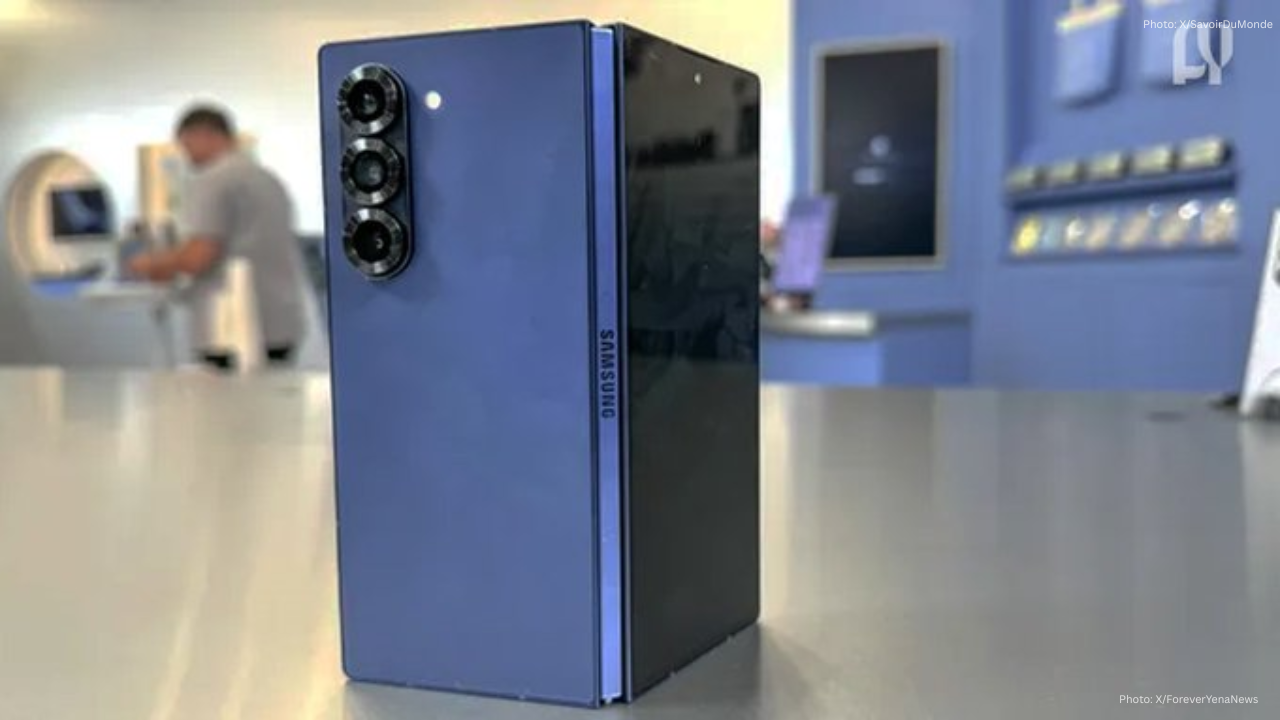
The Rise of Samsung’s Foldable Phones: What to Expect in 2025
Samsung has long been a pioneer in the foldable smartphone market. With each iteration, the company pushes the limits of design, engineering, and technology. As 2025 approaches, the spotlight is on Samsung’s upcoming foldable devices: the Galaxy Z Fold 8 and the rumored Tri-Fold smartphone. Both promise groundbreaking experiences, but which one will dominate the market? Let’s dive deep into the trends, features, and consumer expectations.
Evolution of Foldable Technology
Samsung’s journey into foldable phones began in 2019 with the first Galaxy Fold. Despite early concerns about durability, Samsung has consistently improved its hinge technology, screen quality, and battery efficiency. The Galaxy Z Fold 8 is expected to continue this trajectory with a sleeker design, upgraded internal components, and an enhanced multitasking experience.
Meanwhile, the concept of a Tri-Fold phone represents the next frontier. Unlike the Z Fold series, a Tri-Fold device folds in two places, creating a larger display when fully opened. This form factor aims to blur the line between a smartphone and a tablet, offering users unmatched screen real estate for gaming, productivity, and media consumption.
Galaxy Z Fold 8: Refining the Fold
The Galaxy Z Fold 8 is expected to be an evolutionary rather than revolutionary update. Key features likely include:
-
Durable Armor Aluminum Frame: Enhancing overall sturdiness.
-
Flexible Dynamic AMOLED 2X Display: Improved brightness, color accuracy, and smoother refresh rates.
-
Upgraded Hinge Mechanism: Quieter, sturdier, and more resistant to wear.
-
Powerful Processor: Next-gen Snapdragon or Exynos chipset to handle multitasking seamlessly.
-
Battery Life Enhancements: Optimized software and hardware integration for longer usage.
Samsung will also likely enhance the S Pen experience on the Z Fold 8, making it a serious tool for productivity enthusiasts.
The Tri-Fold Concept: A Bold Leap
The Tri-Fold device, while still speculative, represents Samsung’s attempt to redefine mobile computing. Unlike the Z Fold 8, which opens once like a book, the Tri-Fold folds twice, creating a large, tablet-like display in the middle. This offers several advantages:
-
Immersive Media Experience: Ideal for movies, gaming, and multitasking with multiple apps.
-
Compact Portability: Despite its large unfolded size, it remains pocketable.
-
Innovative User Interface: Software optimized for a three-panel display could redefine multitasking.
However, the Tri-Fold design also faces challenges: increased weight, hinge complexity, and higher manufacturing costs. Consumer adoption will depend on Samsung’s ability to balance novelty with usability.
Market Trends and Consumer Expectations
Foldable phones are transitioning from niche luxury devices to mainstream options. Analysts predict the foldable segment will grow significantly in 2025, driven by:
-
Premium Device Demand: High-end users seeking innovation and unique experiences.
-
Remote Work and Productivity: Foldables can replace tablets and small laptops for certain users.
-
Content Consumption: Larger screens enhance video streaming, gaming, and creative work.
Consumers are increasingly valuing durability, battery life, and multitasking capabilities. Samsung’s success will hinge on addressing these concerns while keeping pricing competitive.
Pricing and Availability
While exact pricing is unconfirmed, industry sources suggest:
-
Galaxy Z Fold 8: Around $1,800–$2,000, positioning it as a premium flagship.
-
Tri-Fold Device: Likely above $2,200 due to engineering complexity and new form factor.
Global availability is expected across major markets, including the US, Europe, and Asia, with pre-orders opening shortly after the official announcement.
Design and Software Innovations
Both devices are expected to leverage Samsung’s One UI enhancements, including:
-
Split-Screen Multitasking: Seamless switching between apps.
-
Adaptive App Continuity: Apps automatically adjust to foldable screens.
-
Optimized Gaming Experience: Enhanced graphics performance and larger play area.
Samsung may also introduce AI-driven features to enhance battery management, camera optimization, and device customization.
The Battle of Foldables: Z Fold 8 vs Tri-Fold
The Galaxy Z Fold 8 represents refinement—improved durability, performance, and user experience. The Tri-Fold, on the other hand, is a gamble on future design trends and consumer curiosity. Success will depend on:
-
Consumer Adoption: Will users embrace a heavier, more complex device?
-
App Ecosystem: How well apps adapt to three-panel displays.
-
Price-to-Value Ratio: Whether the added innovation justifies the higher cost.
Samsung may position both devices to target different audiences: the Z Fold 8 for mainstream premium users, and the Tri-Fold for tech enthusiasts seeking cutting-edge experiences.
Conclusion
Samsung’s foldable future in 2025 is exciting and unpredictable. The Galaxy Z Fold 8 is likely to dominate the premium foldable segment with refinement and reliability, while the Tri-Fold could redefine mobile computing for those willing to explore uncharted territory. As the market evolves, consumers can expect more innovation, better software integration, and devices that continue to challenge what a smartphone can do.
Whether you choose the Z Fold 8 or the Tri-Fold, one thing is clear: foldable technology is here to stay, reshaping the way we use and perceive smartphones.