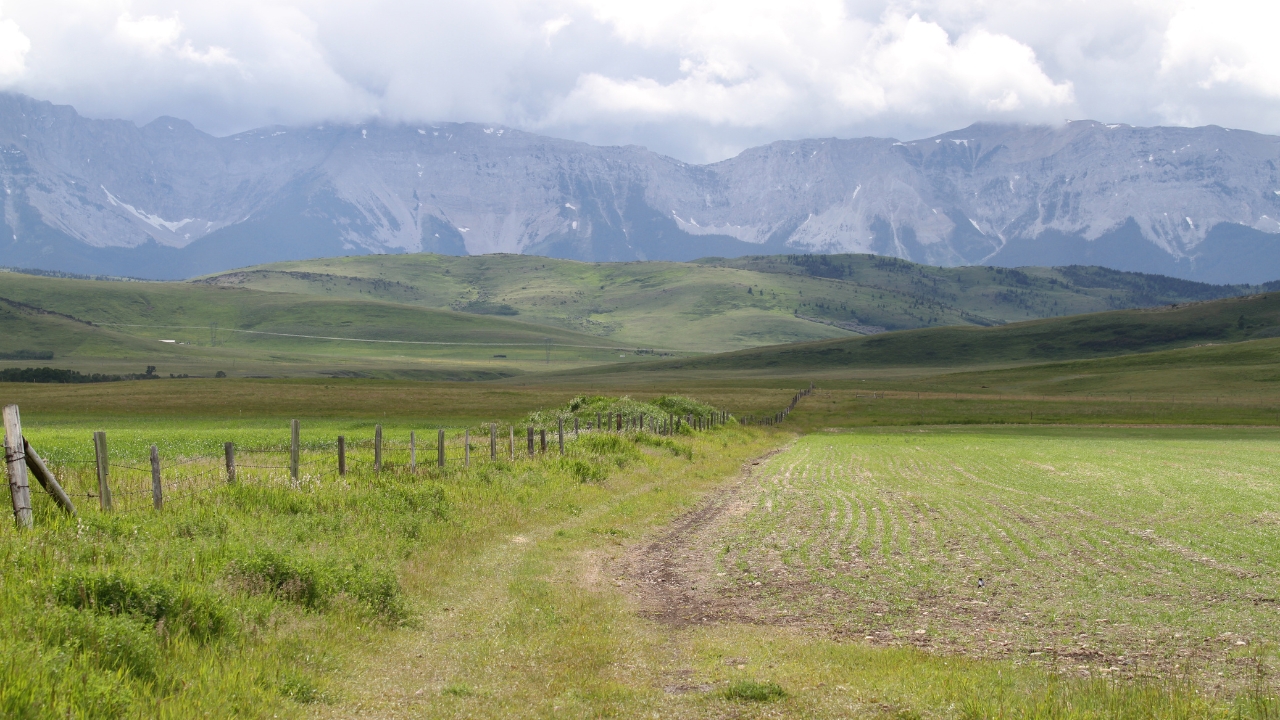
Rocky View County, just northeast of Calgary in Alberta, recently decided to reject a plan to build a large data centre complex on farm land. The plan was proposed by a company called Kineticor, but the county council voted 6-to-1 against it.
What Was Proposed
Kineticor wanted to develop about 1,100 acres of prime agricultural land. This would have become a large technology infrastructure park.
The area is north of Highway 566 and west of Range Road 281.
The company said the project would bring economic benefits, such as increased tax revenue and new infrastructure. They also claimed the data complex would be “quiet” and “sustainable.”
Why People Opposed It
Many local residents and farmers were strongly against the idea, and they had several reasons:
Impact on Farming
- Farmers worried about dirt, noise, water run-off, and other changes that might hurt their fields and crops.
- Some said they first heard about the plan only a few months ago—even though the busiest season of the year (harvest) was already underway.
Lack of Consultation Time
- Residents said the review time given for the project was too short—just 84 days—to properly assess its effects.
- They asked for more time and better chances to speak up, because decisions like this affect their land, work, and way of life.
What Supporters Said
- Some people supported the idea, saying it could help:
- Financial Gains: More tax revenue for the county, which could help pay for schools, roads, and other services.
- Infrastructure and Technology: The project would improve technology and infrastructure in the area. Supporters believed it could draw investment and jobs.
- One of the landowners said he had his own questions, but believed the people behind the plan are credible and able to move quickly with similar projects.
Council’s Decision
On late Tuesday, the Rocky View County council held a vote. They considered all the arguments, the reports, and the public feedback. In the end, they voted 6 against, 1 for rejecting the proposal. This means the data centre will not be built there.
What Would Have Happened If Approved
- If the plan had been approved, construction might have begun as early as this fall.
- The project was estimated to generate over $14 million in local tax revenue.
- It might have offered value-added agricultural opportunities. That means businesses that do more than just farm, like processing or shipping, could benefit.
Why Farming Land Is Important
Farm land is special. It’s good for growing food. Once it’s changed for big buildings or roads, it’s hard to get it back. Farmers depend on the land, not only for food but also for their jobs, their way of life, and the local economy. Changes like more noise and water runoff could hurt the farms nearby.
Residents argued that building a data centre on farm land could change the area’s character and hurt existing farming activity. They wanted decisions that protect both development and farming.
What Happens Next
Because the proposal was rejected, the land remains farm land for now. The county will continue to manage land use carefully. Residents feel their voices were heard this time. Councilors emphasized that they must balance growth with protecting agriculture and respecting community concerns.
Kineticor might try again with a new or changed plan, possibly on a different site or with more consultations. But for now, the plan is off the table in its current form.
Lessons from This Case
- Community input matters: People speaking up about how a plan affects them can influence government decisions.
- Transparent process: Sufficient review time and clarity are important. Developers must communicate early and well.
- Balance between progress and tradition: Many places must balance new, tech-based projects with preserving farming and rural life.
Rocky View County’s council has said “no” to building a large data centre complex on good farm land near Calgary. Although the plan promised economic benefits and improved infrastructure, the majority of councilors felt that protecting agriculture, respecting residents, and giving more time for review were more important.
This decision shows how communities can influence development. When people speak up, when farmers defend their land, and when councils listen, development has to be done carefully. The land in question stays farm land for now. And the idea of building big tech projects on farm land has to consider many more things, not just money.