Nutrition Expands Beyond Mere Caloric Intake
Throughout the 20th century, the focus of nutritional science was predominantly on macronutrients, vitamins, and calorie management. The approach was largely quantitative, breaking down food into fat percentages, protein grams, and daily allowances. Guidelines were rooted in broad principles—consume less fat, monitor calories, adhere to pyramid structures.
However, recent gut health research is fundamentally changing this perspective.
Researchers now acknowledge that the interactions between food and the trillions of microbes residing in our gut may be crucial, often overshadowing the nutritional value of the food itself. Identical meals can yield vastly different outcomes for different individuals based on their unique gut microbiomes. Consequently, nutrition is evolving from standardized advice to a more tailored, science-informed methodology.
This transformation is redefining our understanding of what constitutes healthy eating.
The Gut Microbiome: An Essential Component of Health
Understanding the Microbiome
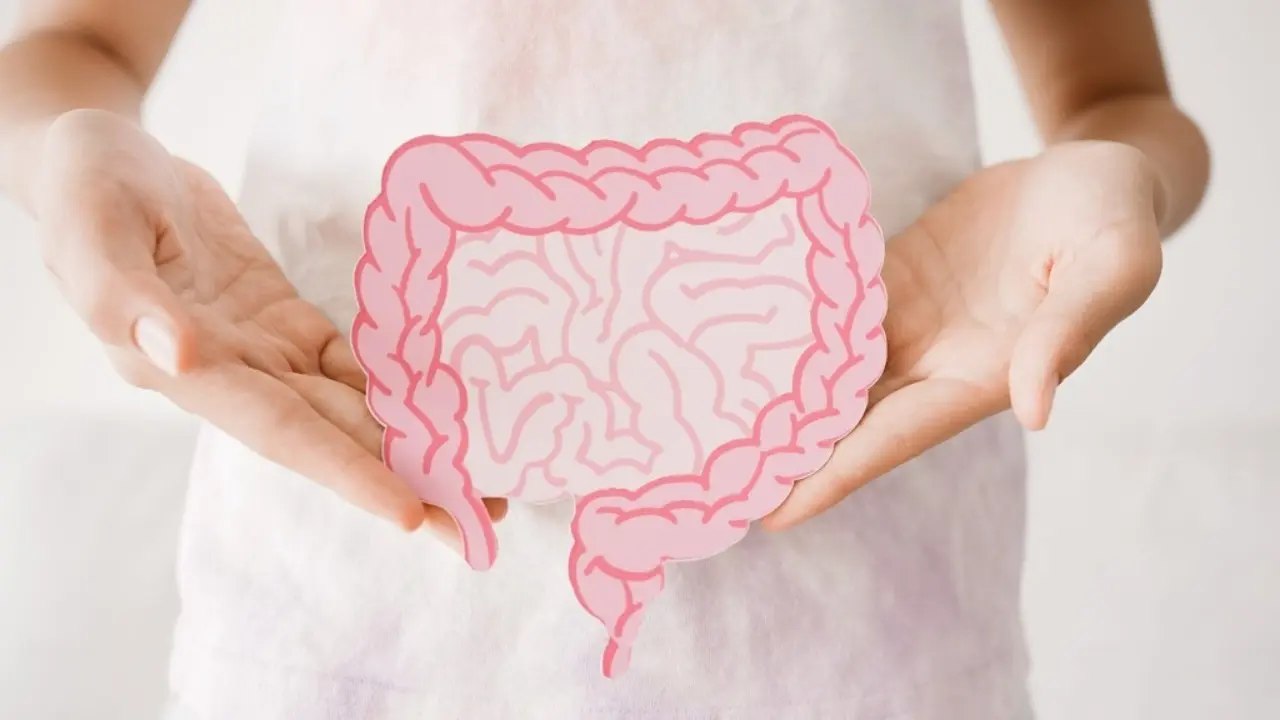
The human gut hosts an impressive 40 trillion microorganisms, including bacteria, fungi, viruses, and archaea, collectively known as the gut microbiome.
These microorganisms:
-
Decompose complex carbohydrates
-
Generate essential metabolites
-
Regulate immune responses
-
Affect hormones and neurotransmitters
Increasingly, the microbiome is viewed as a functional organ, not merely a digestive assistant.
Delayed Recognition in Scientific Inquiry
For years, microbes remained elusive in nutrition science due to the challenges of studying them. Advances in DNA sequencing techniques have finally opened the door to detailed examination of microbial communities.
Groundbreaking initiatives like the Human Microbiome Project have highlighted significant variances in microbial diversity across individuals, strongly correlating this diversity with various health outcomes.
Diverse Responses to Identical Diets
Unique Microbial Profiles
Two individuals consuming the same food may experience starkly different effects on blood sugar levels, inflammation, and overall energy. Studies have shown that microbial composition significantly influences metabolic reactions.
Certain microbes can:
-
Extract more calories from food
-
Create anti-inflammatory substances
-
Affect insulin sensitivity
Conversely, others could promote inflammation or metabolic issues.
This variance elucidates why:
-
Some flourish on high-fiber diets
-
Others suffer from bloating or fatigue
-
Weight loss outcomes differ greatly
Thus, nutrition transcends merely what is consumed, emphasizing who consumes it.
The Shift from Universal Diets
Low-fat, low-carb, keto, and veganoun—studies indicate that no single approach is universally superior. The efficacy hinges on compatibility with individual microbiomes.
This insight is redirecting nutritional strategies away from dogma towards tailored dietary practices.
Fiber: A Central Nutritional Player
The Rising Influence of Fiber
Gut microbes predominantly thrive on dietary fiber, particularly complex plant fibers beyond human digestive capabilities. The fermentation of fiber leads to the production of short-chain fatty acids, which aid in maintaining gut lining health, mitigating inflammation, and controlling appetite.
Recent studies have propelled fiber from a secondary role to a core nutrient for overall health.
Variety in Types of Fiber
Research distinguishes among:
-
Soluble fiber
-
Insoluble fiber
-
Resistant starches
-
Prebiotic fibers
Different types nourish specific microbial communities. Emphasizing a range of plant foods over supplements becomes vital for optimal gut health.
Reviving Fermented Foods and Live Cultures
The Return of Fermented Foods
Products like yogurt, kefir, kimchi, sauerkraut, and miso are gaining renewed attention from scientists. These offerings introduce live microorganisms and beneficial fermentation byproducts that bolster microbial diversity.
Unlike standard probiotic supplements, fermented foods:
-
Provide multiple bacterial strains
-
Encompass beneficial metabolites
-
Integrate effortlessly into meals
Evidence increasingly points to their role in bolstering gut resilience rather than solely adding specific bacteria.
The Limitations of Probiotic Supplements
Research into gut health also questions the probiotic industry. Multiple studies reveal that commercial probiotics often struggle to establish lasting colonies in the gut.
Shifting the focus from merely adding bacteria to cultivating favorable conditions for beneficial microbes is crucial.
The Gut–Brain Connection: Insights Into Mental Health
Communication Between the Gut and Brain
The gut sends signals to the brain through neural, immune, and hormonal routes—commonly referred to as the gut-brain axis.
Gut microbes have a role in:
These connections elucidate the links between dietary habits and mental health concerns such as anxiety, depression, and mood stabilization.
Nutrition as a Support for Mental Well-Being
Emerging insights indicate that enhancing gut health can:
Hence, the narrative surrounding nutrition increasingly incorporates mental health considerations.
Inflammatory Responses, Immunity, and Dietary Choices
The Gut: Central to the Immune System
Approximately 70% of the immune system operates within the gut. The microbiome plays an integral role in training immune cells to differentiate between threats and benign substances.
Disturbed gut environments—often resulting from:
can incite low-grade inflammation associated with chronic ailments.
Revisiting Anti-Inflammatory Dietary Patterns
Recent findings propose that rather than focusing on singular “superfoods,” an anti-inflammatory diet is better defined by microbiome-supporting practices, such as:
-
Diverse intake of plant-based foods
-
Minimized processing
-
Incorporating healthy fats
-
Consistent fiber consumption
Focusing nutrition advice on entire ecosystems rather than isolated nutrients is key.
Rethinking Ultra-Processed Foods
More Than Just Calories: The Processing Factor
Intense scrutiny of ultra-processed foods has intensified, revealing that such items often:
Evidence correlates these additives with damage to gut integrity and microbial balance, regardless of caloric value.
This explains the diverse health impacts from diets with the same caloric intake.
Beyond Basic Nutrition Labels
Simple calorie counts and macronutrient breakdowns fail to account for the ways in which food affects gut ecosystems. The field of nutrition science is increasingly leaning toward considerations of food structure, ingredient complexity, and interactions at a microbial level.
Embracing Personalized Nutrition
Diet Planning Informed by Microbiomes
Various organizations and research bodies are exploring dietary plans tailored to:
These methods strive to predict individual responses to specific foods rather than relying on broad population-level data.
Although still in nascent phases, personalized nutrition represents a significant departure from traditional dietary recommendations.
The Impact of Technological Advancements
Wearable glucose monitors, AI-enabled food evaluations, and microbiome testing techniques serve to expedite this evolution. Nutrition is transitioning towards data-driven methodologies rather than conventional prescriptions.
Valuing Cultural Diets
Understanding the Wisdom in Traditional Diets
Several traditional food practices—such as Mediterranean, Japanese, Indian, and African diets—naturally encompass gut-friendly principles:
-
High diversity within plant-based foods
-
Inclusion of fermented items
-
Minimal processing of foods
Research in gut health is confirming age-old cultural understandings: diversity and balance outweigh mere dietary restrictions.
Moving Beyond Western Dietary Norms
As the scope of research extends, nutritional science is beginning to move past Western-centric food frameworks, acknowledging that local culinary traditions frequently support microbial health more effectively than modern processed diets.
Daily Eating: A New Perspective
Contextualizing Nutrition
Instead of adhering to strict regulations, gut health research advocates inquiry into:
-
How does this food affect me?
-
Does my diet encourage diversity?
-
Am I prioritizing microbial health as well as my own?
Health is viewed as a fluid process instead of a checklist of adherence.
Embracing Flexibility Over Perfection
Gut health research promotes a decrease in the fixation on “perfect eating” and instead highlights:
This encapsulates as much of a psychological transition as it does a scientific revelation.
Addressing Challenges and Misinterpretations
The Need for Caution in Microbiome Proclamations
Not all assertions regarding gut health are robustly substantiated. The domain is intricate, evolving, and occasionally oversimplified in mainstream media.
Scholars urge caution against:
-
Universal microbiome solutions
-
Excessive diagnostics without context
-
Regard for gut health as an all-encompassing remedy
Responsible insights are essential.
Progress in Scientific Understanding
Gut health research is still maturing. Numerous discoveries remain correlational rather than definitive. Nutritional guidelines will evolve as our comprehension deepens.
Conclusion: Rethinking Healthy Eating
Research on gut health has revolutionized our perspective on nutrition, transforming food from fuel into information that influences microbial ecosystems, immune responses, cognitive health, and durability.
The developing paradigm of nutrition is:
-
Tailored rather than uniform
-
Ecosystem-based rather than reductionist
-
Preemptive instead of reactive
As ongoing research unveils the gut’s role, nutrition is shifting towards nurturing a complex internal ecosystem rather than mere restriction.
The future of wholesome eating may not hinge on eating less but rather on eating smarter, more diversely, and with greater intention.
Disclaimer:
This article is for informational purposes and reflects the current scientific understanding, which is subject to change. It is not a substitute for professional medical or dietary guidance.