Photo: PMI
A Transformative Era in Governance
As governance increasingly hinges on speed and transparency, India’s PRAGATI initiative has emerged as a pivotal change agent. Designed to streamline decision-making and reduce bureaucratic delays, PRAGATI is now fundamental to the nation's administrative framework.
Marking a significant milestone in 2026, the platform showcases how tech-powered governance can provide concrete outcomes amid India’s vast complexities. Initially a trial for digital oversight, it now significantly enhances project management across a variety of sectors.
Understanding the PRAGATI Initiative
The Foundation Explained
PRAGATI stands for Pro-Active Governance and Timely Implementation, serving as a digital platform fostering communication between the Prime Minister’s Office, Union ministries, state bodies, and district managers.
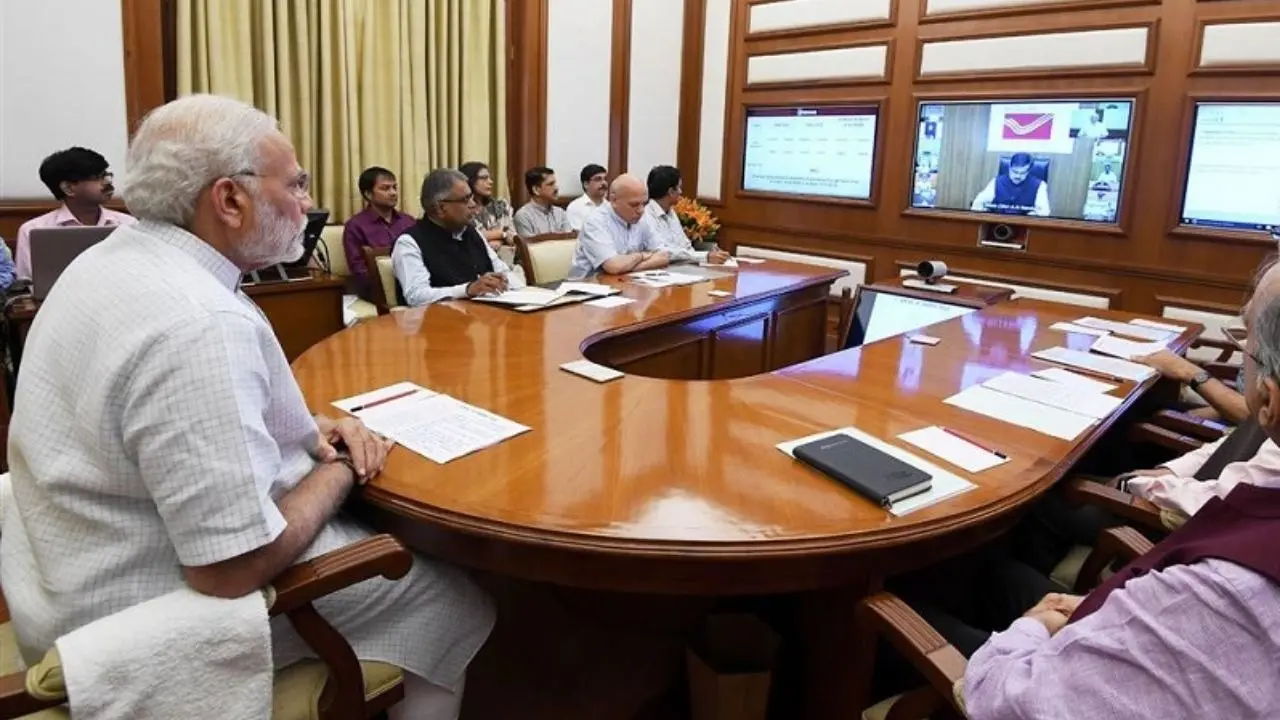
At its essence, PRAGATI operates as a real-time assessment tool, facilitating discussions on key projects and public grievances through video conferences led by Narendra Modi.
Multiple Goals, One Vision
PRAGATI merges three crucial governance aspects:
Reviewing vital infrastructure and welfare initiatives
Resolving inter-ministerial conflicts and Centre-State matters
Addressing longstanding public grievances
This unified approach transforms it into a strategic decision-making tool beyond mere monitoring.
The Need for PRAGATI
Tackling Delays and Fragmentation
India has faced persistent governance hurdles, including project delays, coordination issues across departments, and gaps in accountability. Crucial infrastructure projects often ground to a halt due to operational bottlenecks.
PRAGATI was developed to address these challenges, elevating unresolved matters to the Prime Minister’s attention.
Shifting the Focus
Unlike traditional governance, which heavily emphasized file movement, PRAGATI prioritizes clear outcomes and timelines—instilling a sense of urgency and clarity across the system.
Operational Dynamics of PRAGATI
Structured Reviews with Accountability
Each PRAGATI meeting adheres to a defined agenda. Selected projects and grievances are evaluated in the presence of senior officials from pertinent departments.
Officials must provide timely status updates, clarify delays, and commit to deadlines, often addressing issues in real-time during meetings.
Technology as an Enabler
The platform utilizes digital dashboards, GIS mapping, and live data inputs to base discussions on solid evidence, reducing room for ambiguity.
A Landmark Moment in 2026
Empowered Integration
By 2026, PRAGATI has evaluated numerous projects and addressed countless grievances across sectors like infrastructure, energy, transport, health, and urban development.
This achievement signifies not only longevity but also institutionalization; PRAGATI has evolved into a systematic approach rather than a fleeting initiative.
Enhanced State and District Connection
A notable success has been the deeper engagement of state and district administrations, ensuring governance is not limited to the capital.
Infrastructure Development Impact
Streamlining Key Initiatives
PRAGATI has been instrumental in overcoming challenges related to highways, rail corridors, ports, and urban projects, expediting solutions that hinder these initiatives.
Mitigating Cost Overruns
Through early identification of delays and reinforced accountability, the platform has successfully addressed cost escalations—an ongoing issue in large-scale public projects.
Promoting Cooperative Federalism
Redefining Centre-State Relations
Departing from traditional top-down reviews, PRAGATI fosters collaborative solutions. State governments now interact directly with central decision-makers, minimizing procedural delays.
This shift enhances cooperative federalism, as review meetings transform into constructive discussions rather than just evaluations.
Public Grievance Management via PRAGATI
Highlighting Citizen Challenges
Beyond grand initiatives, PRAGATI also tackles long-standing citizen grievances across multiple departments, resolving many cases that remained unattended for years.
Restoring Public Trust
To the populace, the platform signifies a level of assurance that grievances can reach the highest levels of authority, enhancing trust in administrative responsiveness.
Real-Time Accountability
Clear Designation and Deadlines
A hallmark of PRAGATI is its emphasis on personal accountability. Each issue is clearly assigned to specific officials, and timelines are meticulously tracked.
This strategy reshapes administrative cultures, making justifications for delays much harder to sustain.
Performance as an Institutional Metric
PRAGATI reinforces the perspective that governance performance can and should be quantified, as progress is consistently monitored and evaluated.
Shifting Bureaucratic Mindsets
Pushing Towards Resolution
The platform promotes a culture of proactive problem-solving over excessive risk-aversion, encouraging officials to make timely decisions instead of merely shifting files.
Empowering Ground-Level Officials
District officials gain direct insight, ensuring that frontline realities are acknowledged and acted upon.
Embracing Digital Governance and Openness
Data-Centric Decision Processes
PRAGATI illustrates how data and digital innovations can elevate governance effectiveness. Discussions are rooted in hard metrics and tracking reports rather than subjective narratives.
Benchmarking E-Government Standards
Globally, PRAGATI is often regarded as a prime example of how digital systems can amplify executive oversight without circumventing established processes.
Challenges and Critiques
Cautions of Centralization
Critics have raised concerns about potential centralization, warning that too heavy reliance on high-level reviews may undermine institutional autonomy.
Scalability Considerations
While effective for priority initiatives, PRAGATI’s scope may not be appropriate for routine administrative tasks.
Responses to Critiques
Targeted Application
Proponents emphasize that PRAGATI is designed for critical issues requiring attention rather than common operational tasks, ensuring functionality without overreach.
Complementary Role
Rather than replace existing frameworks, PRAGATI enhances current processes, reinforcing oversight while maintaining existing structures.
Aligning PRAGATI with Governance Aspirations
Embedding into the Digital India Agenda
PRAGATI aligns seamlessly with India’s greater Digital India vision, positioning technology as a key driver of governance enhancement.
Linking Policy with Implementation
The platform effectively narrows the gap between policy vision and execution, a common weak point in public administration.
Defining Features of PRAGATI
Prime Ministerial Leadership and Accountability
The Prime Minister’s direct involvement grants PRAGATI exceptional authority, ensuring timely follow-through on decisions.
Focus on Outcomes Over Reviews
PRAGATI differentiates itself by emphasizing project closure and results rather than engaging in continual discussions.
Insights for Global Democracies
A Governance Template
Numerous countries grappling with bureaucratic delays can glean insights from PRAGATI’s innovative structure and operational execution.
Balancing Technology with Governance
PRAGATI demonstrates that technology alone does not suffice; robust political will and institutional support are crucial for success.
The Path Forward
Enhancing Analytical Tools
Future iterations aim to incorporate advanced analytics and predictive mechanisms to identify potential delays proactively.
Broadening Citizen Engagement
There is significant scope to enhance citizen engagement, making grievance resolution processes even more participatory.
A New Paradigm in Governance
As PRAGATI celebrates a pivotal milestone in 2026, its evolution signifies a fundamental shift in Indian governance—moving from reactive to proactive management. By amalgamating technology, authority, and accountability, it has transformed decision-making processes.
In a system often criticized for inertia, PRAGATI proves that reform is attainable when determination combines with decisive action.
Disclaimer
This article is crafted for informational purposes. Governance results may vary depending on policy decisions, administrative capacity, and evolving institutional structures. For authoritative updates, refer to official government communications.