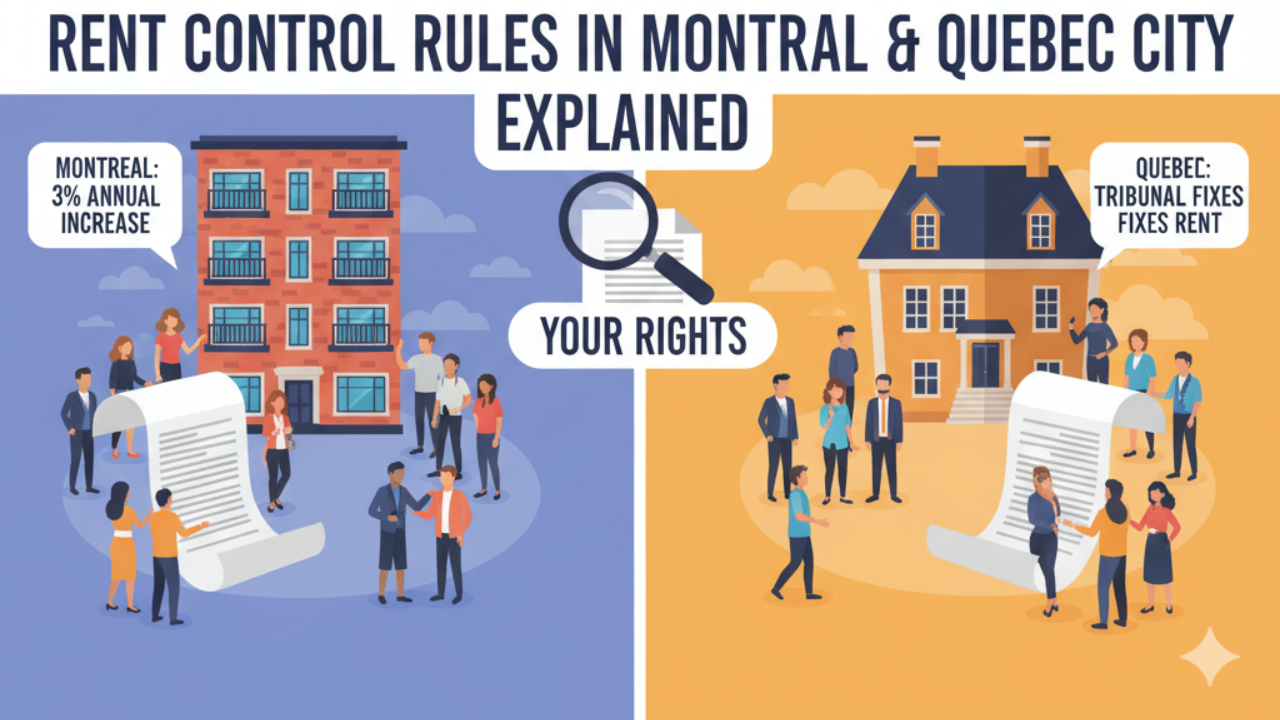
Rent Control in Montreal & Quebec City: Rules and Tenant Rights 2025
Rent control plays a crucial role in protecting tenants across Quebec, especially in cities like Montreal and Quebec City where the housing crisis and rising rental costs have become pressing issues. With low vacancy rates and high demand for apartments, many residents are concerned about rent hikes and affordability. Rent control rules in Quebec are designed to ensure that landlords cannot impose unreasonable increases and that tenants have legal avenues to protect themselves. Understanding how rent control works in 2025 helps tenants navigate the rental market and assert their rights more effectively.
The Basics of Rent Control in Quebec
Quebec has one of the strongest rent control systems in Canada. The Tribunal administratif du logement (TAL), formerly known as the Régie du logement, oversees disputes between tenants and landlords. Under Quebec law, landlords must provide written notice of rent increases, and tenants have the right to refuse if they believe the increase is unreasonable. The TAL then decides whether the increase is justified based on guidelines and factors such as property taxes, maintenance costs, and utility expenses.
Rent Control Rules in Montreal
In Montreal, rent increases are closely monitored due to the city’s severe housing shortage. Landlords must notify tenants of a rent increase within strict timelines, usually between three and six months before the end of the lease, depending on its length. If the tenant refuses the increase, the case may go to the TAL for resolution. Rent increases are generally modest and calculated according to provincial guidelines. For example, increases may take into account property tax hikes or building improvements but not simply market demand. This protects tenants from sudden and steep rent hikes that could displace them from their homes.
Rent Control Rules in Quebec City
Quebec City follows the same provincial rules as Montreal but with slightly less pressure due to a lower average rent compared to the larger metropolis. Rent control is still essential, as the city faces increasing demand from students, immigrants, and professionals. Just like in Montreal, landlords must give proper notice before increasing rent, and tenants can legally refuse. Quebec City tenants often benefit from lower average rent increases, but the TAL remains the authority for settling disputes.
How Rent Increases Are Calculated
The provincial government publishes annual rent increase guidelines to help landlords and tenants understand fair adjustments. The formula considers factors such as inflation, property taxes, heating costs, and building repairs. For example, if a landlord installs energy-efficient heating systems or makes major repairs, a higher increase may be justified. However, landlords cannot raise rent solely based on market trends or demand, which is what sets Quebec apart from other provinces with weaker rent control systems.
Tenant Rights Under Rent Control
Tenants in Montreal and Quebec City have several important rights under rent control laws. They can refuse a rent increase if they believe it is unfair. They cannot be evicted simply for refusing a rent hike. They can file complaints with the TAL regarding maintenance issues, illegal fees, or harassment. Tenants are also protected from retaliatory actions by landlords if they exercise their rights. It is crucial for tenants to keep records of their lease agreements, notices, and communications in case of disputes.
The Impact of Rent Control on the Housing Market
Rent control has benefits and challenges for both tenants and landlords. For tenants, it provides stability, affordability, and legal protection against excessive rent hikes. For landlords, it may limit income growth, especially in high-demand areas, but ensures steady tenancy and reduces turnover costs. Critics argue that strict rent control can discourage new construction, leading to long-term housing shortages. Supporters counter that without it, affordability would collapse, pushing low- and middle-income residents out of urban centers.
Common Challenges Tenants Face
Despite strong protections, many tenants struggle with enforcement. Some tenants are unaware of their rights and accept illegal increases. Others fear landlord retaliation or eviction. In some cases, landlords pressure tenants to leave voluntarily so they can rent the unit at a higher market rate. Tenant advocacy groups in Montreal and Quebec City encourage residents to educate themselves and seek assistance if they encounter unfair practices.
Tips for Tenants Navigating Rent Control
Always review lease agreements carefully before signing. Keep copies of all communication with your landlord. If you receive a rent increase notice, compare it with the provincial guidelines and seek advice if unsure. Contact the TAL or tenant advocacy organizations for support if you feel pressured or harassed. Be proactive about learning your rights and using available resources to protect yourself.
Final Thoughts
Rent control in Montreal and Quebec City remains one of the most significant tools for protecting tenants from skyrocketing housing costs. While the system has limitations, it provides stability in a market facing growing shortages and rising demand. Understanding rent control rules, knowing tenant rights, and being prepared to challenge unfair increases can make a major difference in securing affordable housing. As the housing crisis continues into 2025, rent control will remain central to ensuring fairness and stability for residents across Quebec.