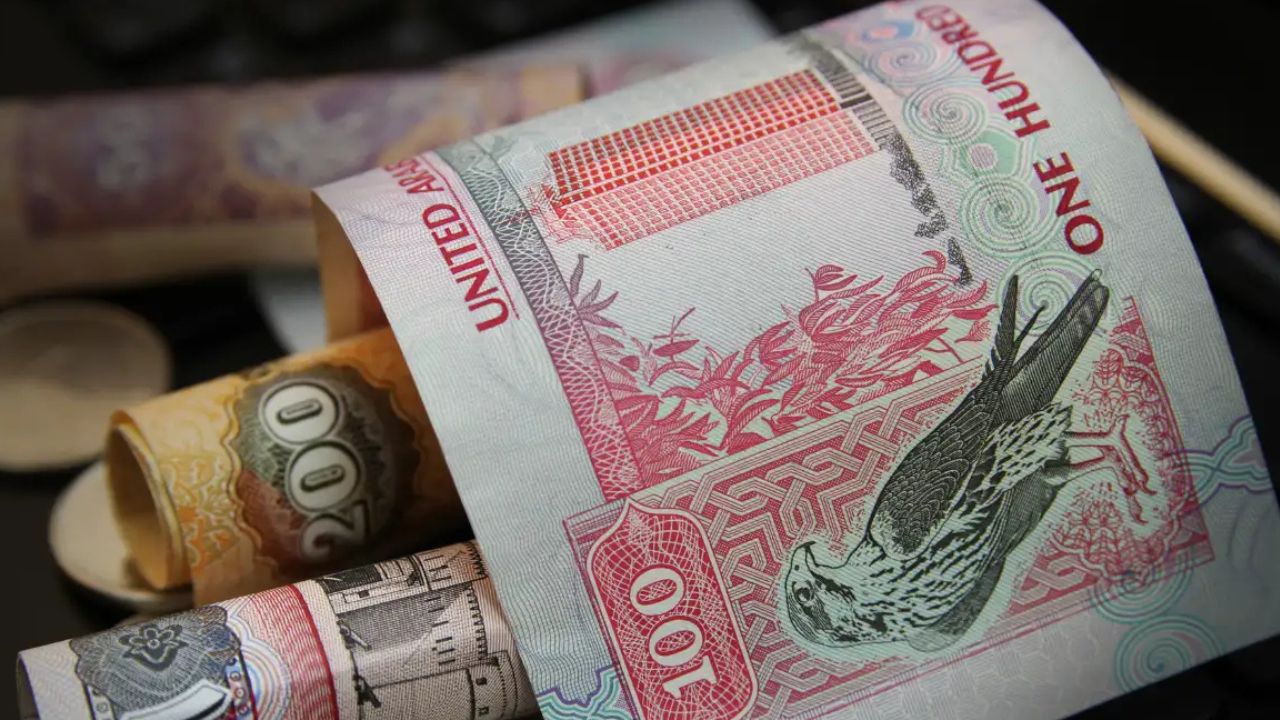
Dubai: For many people living in the United Arab Emirates, sending money back home is not just a habit — it is a duty. Every month, workers from India, Pakistan, the Philippines, and other countries line up at money exchanges to support their families. These remittances pay for school fees, food, healthcare, and sometimes even the building of new homes.
This week, the value of South Asian currencies against the UAE dirham has shifted in a way that is bringing smiles to many faces. As of September 18, 2025, the exchange rates show that the Indian rupee, the Pakistani rupee, and the Philippine peso are weaker compared to the dirham. That means each dirham sent home is now worth more in local money. For a family in Mumbai, Karachi, or Manila, this can mean extra meals on the table or savings for the future.
Why the Timing Matters
Exchange rates never stay still. They move up and down every day because of global trade, oil prices, interest rates, and even political events. For people in the UAE, the dirham is strong because it is tied to the U.S. dollar. But for currencies like the Indian rupee or Pakistani rupee, global pressure often pushes them down.
When the rupee or peso is weak, one dirham buys more. For example, if yesterday one dirham gave you 22 pesos and today it gives 23, then sending money today gives your family one extra peso for every dirham. If you send 1,000 dirhams, that small change can become a big difference.
That is why workers always ask the same question at money exchanges: Is today the right time to remit?
What the Current Rates Show
As of Thursday morning, exchange houses in Dubai and Sharjah reported stronger returns for remittances. The exact numbers change hour by hour, but the pattern is clear — the rupee and peso are under pressure. Many residents have rushed to take advantage before the trend shifts again.
Bankers say this weakness is partly because of global oil prices and high borrowing costs in South Asian economies. Countries like India and Pakistan are facing trade gaps, meaning they import more than they export. This puts more weight on their local money.
Will This Trend Last?
No one can predict exchange rates with 100% certainty. Experts point to three things to watch in the coming weeks:
Oil Prices: Higher oil costs can hurt countries that import fuel, like India and the Philippines, and weaken their currencies.
U.S. Interest Rates: Since the UAE dirham is linked to the dollar, any change in U.S. policy affects the dirham’s strength against Asian currencies.
Local Policies: Moves by South Asian governments, such as trade controls or central bank actions, can quickly change the value of the rupee or peso.
If these currencies continue to weaken, UAE residents may enjoy more value in remittances. But if they recover, the window could close.
The Human Side of Remittance
Behind all the numbers, there is a very human story. Around 60 per cent of UAE’s population comes from South Asia. Most of these workers send a big share of their income home. When exchange rates turn in their favour, they feel rewarded for their hard work.
A worker in Sharjah recently said, “I send 2,000 dirhams every month. Last month, my family got less. This month, they will get almost 500 rupees more. For them, that is groceries for two weeks.”
This shows how small movements in global markets can have a direct effect on daily life for millions of families.
Disclaimer
Exchange rates keep changing and can rise or fall without warning. The information in this article is based on rates available as of September 18, 2025. It should not be taken as financial advice. Before sending money, always check the latest rates with your bank or money exchange service.