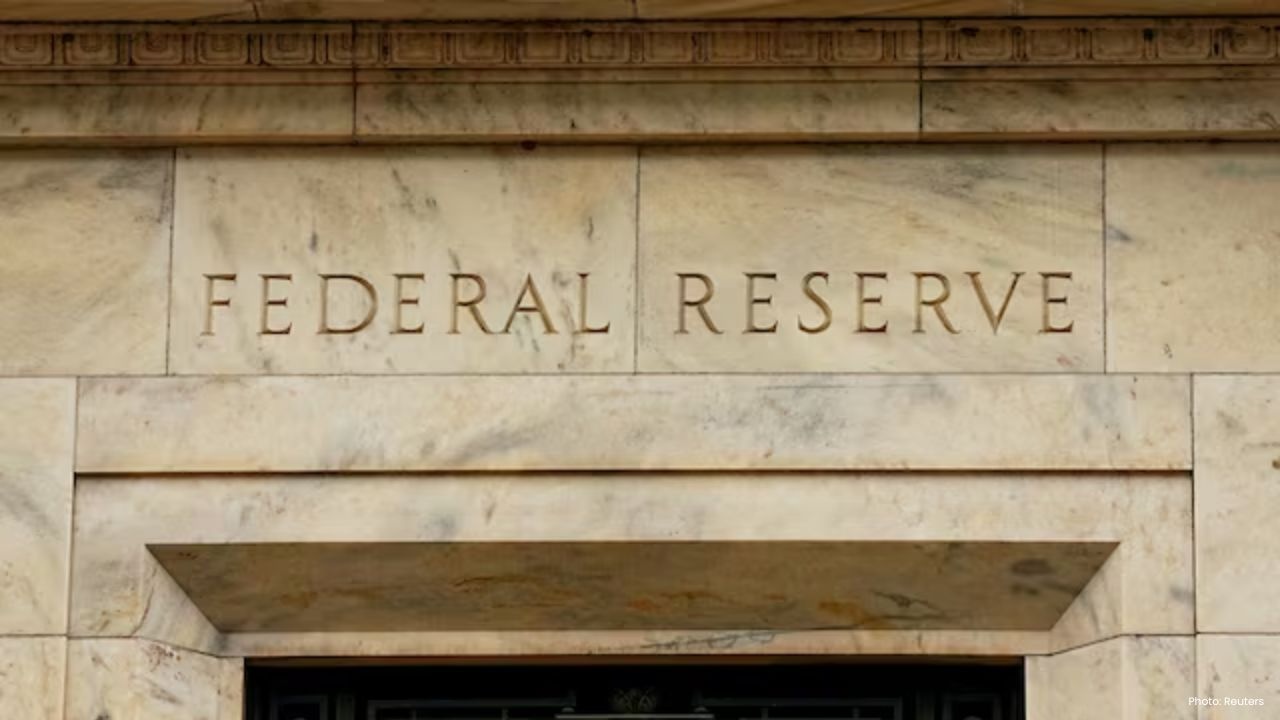
The Federal Reserve has announced significant changes to its annual stress tests for large banks, with the goal of enhancing transparency and predictability. This initiative, unveiled by the Fed’s Board of Governors on Friday, comes as a response to persistent critiques from the banking sector regarding the opacity and complexity of the current testing framework.
In previous years, financial institutions have raised concerns that the unclear nature of stress test assumptions and methodologies hindered their ability to plan capital effectively. This lack of clarity can impact lending capabilities, as well as decisions regarding dividends and stock buybacks. The proposed adjustments promise to offer banks greater insight into the Fed’s testing processes, including access to previously confidential models and economic downturn scenarios used as benchmarks.
Banking Sector Welcomes Changes, Yet Skepticism Remains
Leading banking associations, such as the American Bankers Association and the Bank Policy Institute, have welcomed the Fed’s initiative, which they believe will lead to improved predictability during the annual testing phase. By reducing fluctuations in stress test results, banks may find it easier to allocate capital and leverage surplus funds, potentially fostering economic growth.
However, not all voices support the overhaul. Certain Federal Reserve officials, including Governor Michael Barr, have raised concerns that the new level of transparency could compromise the credibility of the stress tests. Detractors argue that banks might adjust their balance sheets to just meet minimum capital standards, undermining the safety reserves designed to guard against substantial losses during economic downturns.
Impact of Transparency on Risk Management
The Federal Reserve initiated annual stress tests in the wake of the 2008 financial crisis to evaluate whether large banks were resilient enough to weather extreme economic conditions. The outcomes of these tests inform the “stress capital buffer” that mandates banks maintain a specific level of capital to absorb potential losses. Experts anticipate that the enhanced transparency could streamline these requirements, granting banks improved capabilities in risk management and capital planning.
The Fed is now inviting public commentary on the proposed changes before implementing them, marking a significant shift towards greater transparency in one of the key pillars of the United States’ financial stability framework.