Photo:AP
The Problem With Traditional School Awards
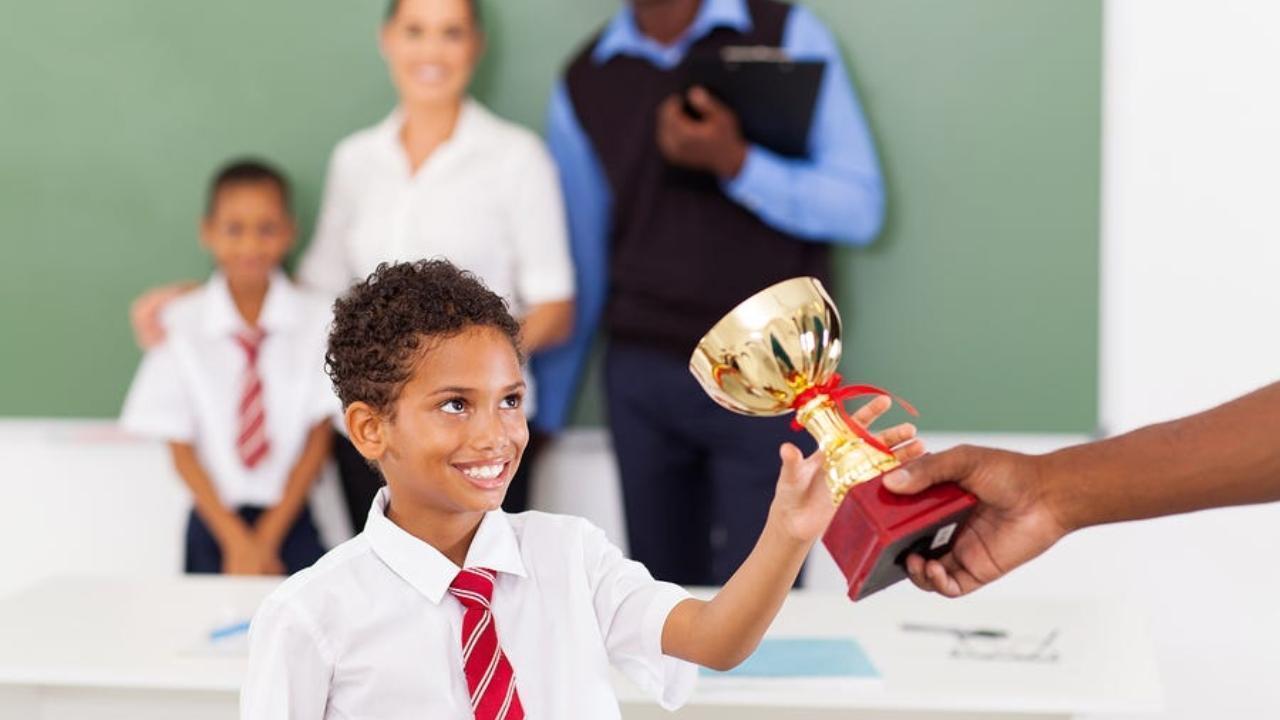
For generations, schools have relied on academic awards to recognize student success. Top marks, highest test scores, and academic competitions have long dominated ceremonies, sending a clear message: excellence equals achievement in grades. But growing voices among child psychologists, educators, and parents are calling for a reevaluation of this narrow definition of success. They argue that limiting awards to top performers neglects the effort, personal growth, creativity, and character development that are equally essential to a child's education.
Recognizing only academic success reinforces a fixed mindset—suggesting that intelligence is innate and measured solely by test results. In reality, education is far more complex, involving emotional resilience, interpersonal skills, and creativity. Children who struggle with traditional academics but show incredible persistence or empathy may go unnoticed in such award systems. The impact? Many students internalize the idea that they are simply "not good enough," creating a ripple effect on self-worth and motivation.
Why Broader Recognition Matters
When a school honors a wide range of student abilities and behaviors, it sends a powerful message: every learner has value. Awards celebrating perseverance, kindness, improvement, and imagination encourage students to value their unique strengths and to view success through a broader lens.
Children who receive praise for effort and character—not just grades—are more likely to be intrinsically motivated. They begin to take pride in the learning process itself, rather than chasing validation through test scores or external comparisons. Recognizing a student for consistent effort in math, artistic risk-taking in visual arts, or leadership during group work affirms that learning takes many forms.
By broadening what is celebrated, schools also help dismantle the harmful belief that only a few students are "worthy" of recognition. In classrooms where awards focus on inclusivity, students feel more supported and are more willing to take risks, ask for help, and collaborate meaningfully.
The Psychological Impact of Recognition
From a psychological standpoint, how we praise and reward children has a direct impact on their brain development and emotional well-being. Children praised for effort tend to develop a "growth mindset"—believing they can improve through dedication and strategy. On the other hand, children praised for intelligence alone often avoid challenges and are more prone to giving up when facing difficulty.
When students work hard and are not recognized because they didn’t achieve the highest grade, they may stop trying altogether. Over time, this leads to disengagement, anxiety, or the belief that their value depends on outperforming others. On the contrary, students who receive meaningful feedback and inclusive recognition learn to value resilience, self-improvement, and cooperation.
In early childhood and adolescence, a child's self-esteem is incredibly fragile. Schools that promote only top performers risk damaging the confidence of other students—those who are still learning to read fluently, manage emotions, or speak up in class. These children are often the ones who benefit most from positive reinforcement and encouragement.
Creating a More Inclusive Awards System
In recent years, some forward-thinking schools have begun redesigning their awards programs to reflect diverse skills and attributes. These systems go beyond the honor roll and valedictorian titles. Instead, they might include awards such as:
- Most Improved Reader
- Kindest Classmate
- Creative Problem Solver
- Teamwork Champion
- Best Listener
- Community Builder
- Perseverance in Learning
- Responsible Role Model
Such awards acknowledge personal growth and positive behaviors that often go unnoticed. Importantly, they create opportunities for every student to be recognized—not just the top 5% academically. When awards are aligned with values like respect, curiosity, or empathy, they help students internalize those qualities as important.
Some schools even allow students to nominate peers, promoting kindness and encouraging self-awareness. These peer-nominated awards often highlight acts of support, leadership, or bravery that teachers may not witness directly.
Real-World School Examples of Expanded Recognition
Across North America and Europe, schools are rethinking how they celebrate success. A primary school in Ontario recently transitioned from traditional awards to monthly “Character Assemblies,” where students were recognized for traits such as honesty, cooperation, or responsibility. Teachers shared anecdotes about why a child was selected, reinforcing the connection between behavior and recognition.
In another case, a middle school in British Columbia introduced an “Effort Passport” system. Students collected stamps each time they completed a challenge—academic or personal—that pushed them outside their comfort zone. At the end of each term, every student was celebrated in some form, with personalized reflections from their teachers.
These real-world examples demonstrate that broader recognition does not mean lower standards—it simply means a more inclusive, holistic understanding of growth. When recognition is designed thoughtfully, it promotes equity and fosters community spirit.
Balancing Achievement and Effort
It’s important to note that academic excellence still matters. Celebrating high performance is valid and encouraging for students who dedicate themselves to learning. But this recognition should not exist in isolation. Balancing achievement with effort-based awards ensures that students who are trying their best—even if they’re not the highest scorer—still feel seen.
Students with learning disabilities, language barriers, or emotional challenges often work harder than their peers just to keep up. Recognizing these efforts builds their self-esteem and encourages perseverance.
Additionally, integrating awards for group projects and collaborative learning ensures that students are not solely rewarded for individual performance. This shift mirrors the real world, where teamwork and social intelligence often determine success more than test results.
The Role of Parents and Families
Parents also play a crucial role in shaping how children understand recognition and success. By encouraging effort, celebrating improvement, and valuing personal growth at home, parents reinforce what inclusive schools are trying to achieve.
Rather than asking, “Did you get an award today?” or “What was your score?”, parents can ask:
-
“What are you proud of learning this week?”
-
“Did you try something new?”
-
“Who did you help in class today?”
These types of questions build a child’s sense of internal worth, teaching them to measure success by their own development rather than external validation.
Furthermore, parents can advocate for more inclusive award systems within their school communities. Attending school board meetings, engaging with teachers, and providing feedback during report card seasons can support long-term changes in how recognition is approached.
Avoiding Common Pitfalls in Inclusive Award Systems
While inclusive awards are a powerful tool, schools must implement them with care. Overusing awards or making them feel meaningless can backfire. If every student gets an award for simply attending class, the value of recognition may be diluted.
The key lies in authenticity and transparency. Students should understand why they are being recognized. Awards should be connected to real actions, behaviors, and achievements—even if small. Teachers can provide specific feedback that helps students reflect on their progress: “You showed real courage in presenting today. You didn’t give up even though you were nervous.”
Additionally, rotating categories and involving students in defining values can keep award systems fresh and meaningful. For example, one month might focus on empathy, the next on innovation, and so on.
Equity and Diversity in Recognition
Recognition systems must also be sensitive to cultural and socio-economic diversity. For example, students from immigrant families may have additional responsibilities at home, affecting their academic performance but revealing strength and resilience. An inclusive awards system should allow room to acknowledge those realities.
Teachers should also be mindful of unconscious biases that might influence who they consider for awards. Professional development around inclusive practices can help ensure that recognition is fairly distributed across gender, race, learning style, and personality type.
Furthermore, recognition should not require financial contributions from families. Award ceremonies should avoid expensive events or prize-based incentives that place burdens on low-income families. Inclusivity must extend beyond the certificate and into the structure of the recognition itself.
How Schools Can Start the Shift
For schools looking to adopt broader recognition systems, a phased approach is often most effective:
-
Audit Current Awards: Examine who has historically received awards. Are the same names repeated every year?
-
Survey Stakeholders: Ask teachers, students, and parents what qualities they value in classmates.
-
Redesign Award Categories: Introduce awards that reflect a range of student strengths and align with school values.
-
Rotate Focus Areas: Choose monthly or term-based themes—kindness, collaboration, resilience—and align recognition with them.
-
Communicate the Purpose: Explain to students and families why the awards have changed. Reinforce the idea that growth and effort matter.
-
Evaluate and Adjust: Gather feedback annually and make improvements to keep the system relevant and effective.
Every Child Deserves to Be Seen
At its heart, education is not about molding students into perfect test-takers—it’s about nurturing human beings. When schools expand their recognition systems to include empathy, creativity, persistence, and progress, they build a foundation for lifelong confidence and resilience.
Inclusive awards remind children that success comes in many forms—and that everyone has something to offer. Whether it’s helping a classmate, overcoming a fear, or showing up every day with curiosity, these moments deserve to be seen, honored, and celebrated.
It’s time to redefine what it means to succeed in school—and to ensure that every student, not just the highest scorer, gets the chance to shine.