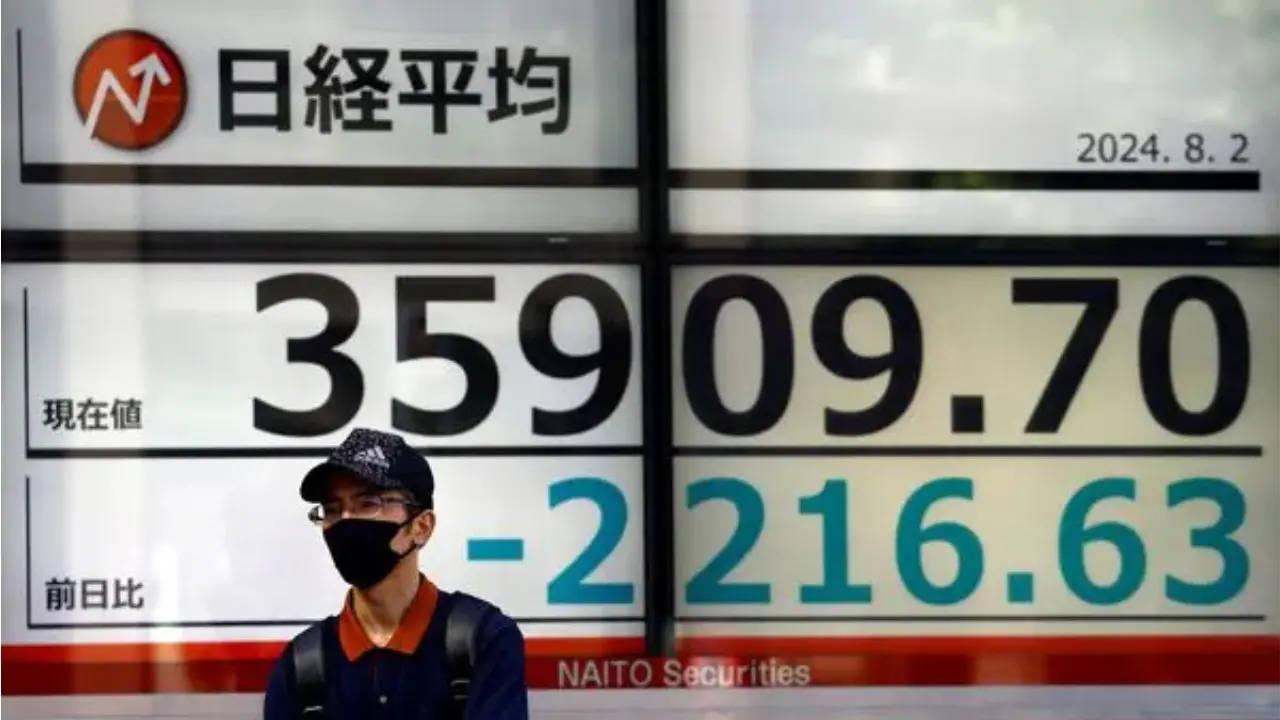
Significant Decline in Japanese Stock Markets
The Japanese stock markets have faced notable losses, with key indices closing sharply down due to a mix of domestic upheaval and global economic factors that have diminished investor confidence. The Nikkei index dropped approximately 1.11 percent, alongside a decline in the wider Topix index, indicating a prolonged phase of losses as markets grapple with various negative influences.
This downturn was instigated by new political events that escalated market volatility, triggering concerns surrounding fiscal governance and heightened borrowing costs. Investors quickly assessed the potential ramifications for corporate profit margins and the overall economic outlook of one of the world's leading financial centers.
Triggering the Market Decline
Announcement of Snap Election
The triggering factor for this market sell-off was the declaration of a snap general election set for February 8, 2026 by Prime Minister Sanae Takaichi. The announcement introduced heightened political uncertainty, prompting investor fears that an election might lead to aggressive fiscal measures and increased government spending that could worsen the nation’s substantial debt.
Japan’s debt-to-GDP ratio stands as one of the highest among developed nations, surpassing 250 percent historically. This reality only intensifies market concerns regarding any further fiscal stimulus that lacks clear funding strategies. The impending snap election and possible changes in policy direction have caused apprehension regarding Japan’s economic trajectory.
Surge in Bond Yields
Another crucial factor raising equity market anxiety was a sudden increase in Japanese government bond yields, particularly for longer durations. Yields on 40-year government bonds hit nearly 4 percent for the first time since 2007, showcasing rising investor fears related to fiscal paths and increased bond sell-offs.
Higher yields directly frustrate stock markets by inflating corporate borrowing costs and diminishing the present value of future earnings, prompting investors to shift their focus away from equities toward fixed-income assets with more attractive returns.
Wider Market Implications
Focus on Nikkei and Topix
The Nikkei index experienced significant declines, reflecting vulnerabilities within sectors sensitive to financing and international demand. The broader Topix index, representing a larger swath of stocks including mid- and small-caps, also finished lower, evidencing that the downturn was pervasive rather than limited to specific industries.
This broad market retreat indicates that investors are not merely repositioning within sectors, but reacting to overarching risks that impact broader economic and corporate contexts.
Sector Sensitivities
Recent data did not provide detailed sector performance, but typically, sectors like technology, consumer discretionary, and financials are more susceptible to rising bond yields and shifts in economic policy sentiment. Increased costs of borrowing and looming political uncertainty usually suppress valuations for companies reliant on growth and investment-driven development.
Interconnected Global Market Dynamics
Growing Risk-Off Sentiment
Japan’s market turbulence did not happen in a vacuum. Global markets have been feeling the strain from rising geopolitical uncertainties, including renewed tariff threats from the United States and trade tensions with European partners. These international elements contribute to a risk-off atmosphere, leading investors toward safer assets like gold and government bonds, thereby decreasing the demand for equities worldwide.
These cross-border reverberations illustrate the interconnectedness of present-day financial markets, where adverse developments in one economy can swiftly sway investor sentiment and capital flows in others.
Currency Implications and Carry Trades
In Japan’s historically low interest-rate environment, the yen carry trade, involving borrowing in yen to invest in higher-yielding foreign assets, has been prevalent among global investors. Yet, rising Japanese yields combined with a fluctuating yen signal may alter these strategies, prompting further volatility in both equity and bond markets.
Any substantial shifts in this carry trade can bear weights on global capital flows and asset pricing, given the significant assets linked to this strategy.
Political Climate and Market Expectations
Agenda of Prime Minister Takaichi
The decision by Prime Minister Sanae Takaichi to call for a snap election seems partly driven by a need for support for her economic agenda, which includes fiscal measures like a reduction in consumption tax on food items for two years. However, market players fear that such cuts—while potentially boosting the economy—might widen the fiscal gap and elevate government debt without accommodating mechanisms.
Her administration has emphasized structural reforms and enhancing national economic resilience, but investors are cautious regarding possible disruptive impacts on markets as the election cycle unfolds.
Election Impact on Market Stability
Snap elections typically invite short-term uncertainties in financial markets, as investors navigate potential shifts in policy landscape and economic tactics. Given the closeness of the electoral date and unrelated fiscal announcements, these uncertainties have magnified fears about upcoming government spending and debt sustainability, heightening market anxieties.
The Bond Market Rift and Its Effects
Long-Term Yield Peaks
Japanese long-term government bonds have been pivotal in market chaos, with 30- and 40-year yields reaching multi-year or record highs. Investors have responded to political shocks and fiscal projections by demanding elevated yields to mitigate risk, causing significant declines in government bond prices.
The escalation in yields can transmit through the economy, impacting corporate financing costs, government refinancing, and investor risk adjustments. The bond market’s tendencies often signal broader financial conditions, and in this situation, it has prefigured equity market instability.
Carry Trade Dynamics on a Global Scale
The turmoil in Japan’s bond market holds broader international implications, given the dynamics of the currency carry trade. When Japanese yields ascend to levels rivaling or exceeding those abroad, the motivation to borrow in yen diminishes. This can curtail capital inflows into foreign equities and bonds that previously benefited from this practice, thereby tightening global financial conditions.
This potential reversal can compound pressures on worldwide equities if risk assets lose a crucial source of foreign capital influx.
Historical Comparisons to Current Market Stress
Though the current downturn is marked, it is not the maiden instance of significant stress within Japanese markets. Historical events like major global crises or periods marked by financial strain have shown that Japanese markets can be erratic when both external and internal issues coalesce. For instance, during the COVID-19 recession, Japanese equity indices witnessed sharp declines paralleling global market movements.
However, the contemporary environment includes distinct characteristics, including a mixture of political uncertainties, yield spikes, and global risk-off scenarios that set this occurrence apart from traditional cyclical downturns.
Investor Insights and Considerations
Anticipated Market Volatility
Looking ahead, heightened volatility is anticipated in Japanese equity and bond markets. With political instability unfolding and global growth concerns persisting, investors may adopt more defensive postures, trimming back on risk investments or seeking solace in safe-haven assets.
Long-Term Investor Reflections
For long-term investors, this latest development underscores the necessity of grasping macroeconomic fundamentals and fiscal health. While market downturns can unveil buying windows, they also illustrate the hazards tied to government policy alterations, demographic shifts, and international capital flow trends.
Japan’s demographic dilemmas—including an aging populace and tepid growth—continue to exert influence on long-range economic prospects and market valuations.
Conclusion: Navigating Market Crossroads
Japanese financial institutions find themselves at a complex intersection marked by political transitions, climbing bond yields, and global risk-off pressures. The pronounced drop in equity benchmarks highlights substantial apprehensions surrounding fiscal policy, investor mood, and global financial connections. As the country heads into an electoral phase filled with unpredictable economic policy ramifications, financial frameworks will remain attuned to both domestic happenings and broader macroeconomic signals.
Disclaimer:
This article draws on available market reports and public information at the editorial time. Financial markets are inherently volatile; readers should conduct their own research or consult professionals before making investment choices.