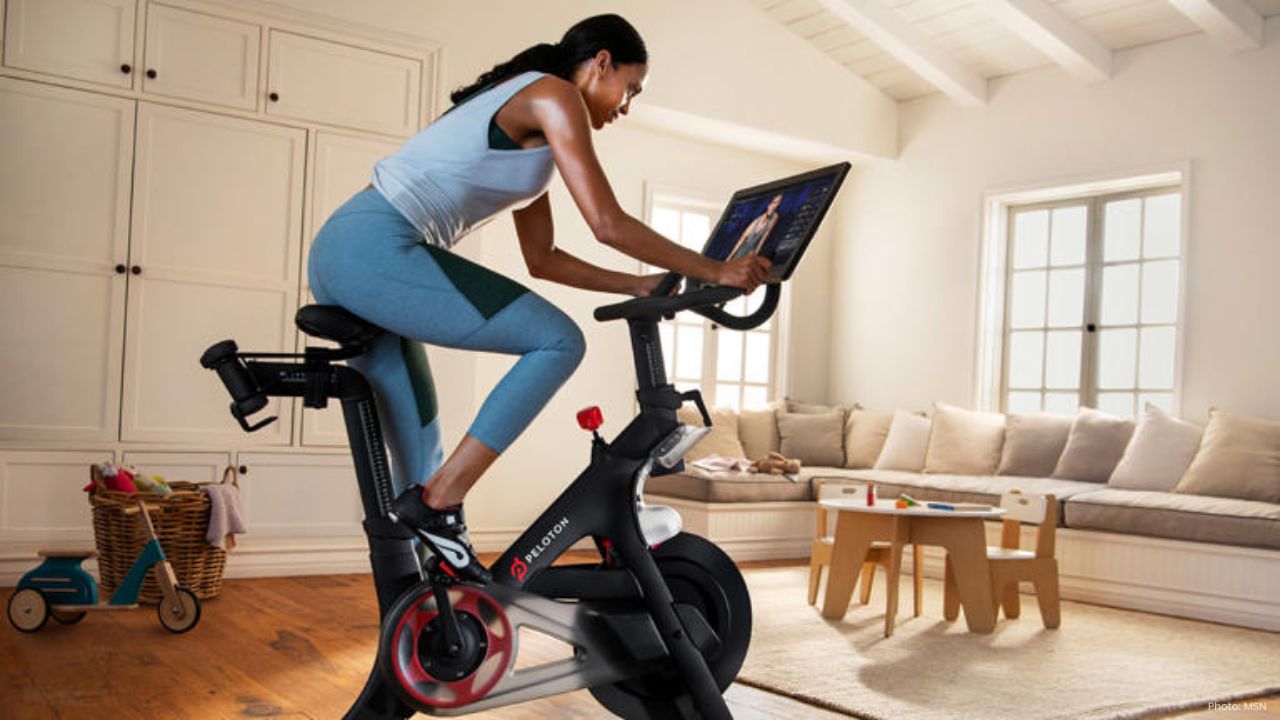
Peloton, the fitness equipment company known for its stationary bikes and instructor-led online workouts, has introduced an AI-powered camera designed to detect user movements and provide real-time feedback during workouts. The new technology, called Peloton IQ, aims to act like a virtual personal trainer in the home, offering guidance on exercise form, repetitions, and technique.
Nick Caldwell, Peloton’s chief product officer, said, “It’s like having an AI-powered personal trainer in your house for a fraction of the price.” The system combines a Siri-like voice with on-screen prompts to guide users through workouts, while also suggesting suitable trainers from Peloton’s roster based on individual fitness goals.
AI to Complement, Not Replace Trainers
Peloton’s move follows a broader trend of incorporating artificial intelligence into home fitness. Other companies, such as Carol (stationary bikes), Magic (AI-powered Mirror), Speediance (Gym Monster), and Tonal (weightlifting machines), are using AI to correct form, track reps, and create personalized workouts.
However, industry experts caution that AI is unlikely to fully replace human trainers. Natalia Mehlman Petrzela, a history professor at the New School who researches the fitness industry, said, “It would be suicide to replace those instructors with AI bots, even if they could move or look like them.”
Peloton plans to use data from its instructors to train the AI system, while maintaining the social and motivational role of human trainers, ensuring that users continue to benefit from the personal touch and guidance that celebrity instructors provide.
Peloton’s Market Journey
Peloton went public in 2019, just months before the COVID-19 pandemic triggered a surge in home fitness. During the peak of this trend, the company’s stock reached $162 per share on Christmas Day 2020. As gyms reopened and demand for home equipment dropped, the stock fell to around $9 per share.
The company’s instructors became a major asset during the boom, building cult-like followings and signing personal sponsorship deals with brands like Adidas and Lululemon. These instructors continue to be central to Peloton’s business strategy, even as AI technology is rolled out.
The Human Touch vs. AI
Personal trainers emphasize that AI has limits. Carlo Celotti, co-owner of a Toronto gym, said, “AI can’t replicate the tactile or verbal cues we use to correct form. Many clients come for the communal experience, which is something AI can’t replace.”
Despite this, trainers welcome AI as a motivational tool to encourage people to stay active. It can serve as a supplement for those who prefer exercising at home, providing convenience and affordability while maintaining links to human guidance.
Peloton’s AI-powered camera is expected to be rolled out later this year, signaling the company’s ongoing investment in smart fitness technology. While AI may enhance home workouts, the combination of digital tools and human instructors is likely to remain the preferred model for most users.