Introduction: An Unprecedented Boom on Canada's Gentle Island
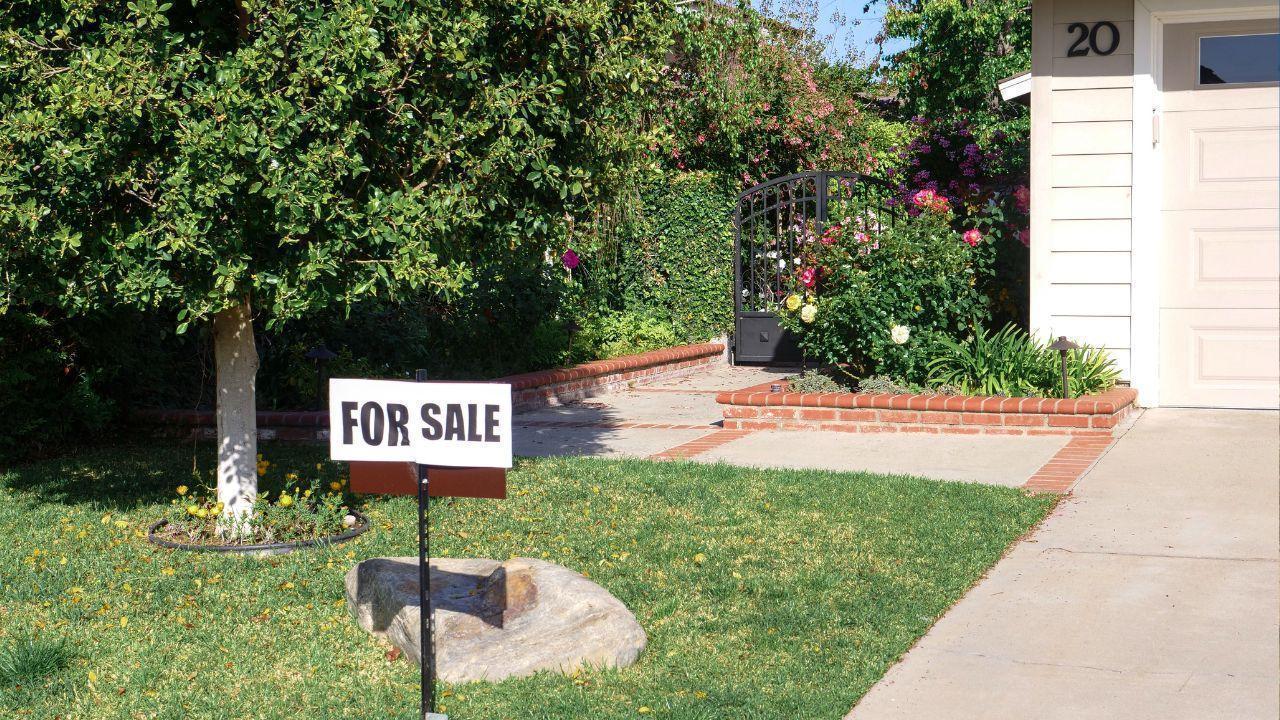
Prince Edward Island, long celebrated as Canada's "Gentle Island" for its idyllic landscapes, pastoral tranquility, and close-knit communities, is now the center of an unprecedented and frenzied real estate boom. In a stunning defiance of national trends, the Island's housing market shattered all previous records in June 2025, with home sales surging by a staggering 52% compared to the same month last year. This explosive activity has transformed PEI into the nation's hottest real estate market, drawing in a wave of out-of-province buyers attracted by comparatively low prices and the promise of a different quality of life.
However, this record-breaking boom tells a complex and often contradictory story. While real estate agents and new investors celebrate a vibrant market brimming with opportunity, a growing chorus of local residents voices a starkly different reality. For many Islanders, the dream of homeownership is becoming increasingly distant, as soaring demand and rising prices clash with stagnant local wages. This has created a deep and widening chasm between those who can afford to buy into the Island dream and those who were born into it but now risk being priced out. The current market is a fascinating, high-stakes microcosm of the housing challenges facing many desirable regions, pitting economic opportunity against local affordability and raising critical questions about the future identity of the province.
By the Numbers: A Statistical Explosion
The data for June 2025 paints a picture of a market at a full boil. The 52% year-over-year surge in the number of homes sold is not just a minor uptick; it's a seismic shift that dwarfs the modest 3.5% increase seen across Canada as a whole during the same period. This activity has set a new all-time monthly sales record for the province, indicating a level of demand never before seen in its history.
While the volume is remarkable, the driving factor remains price. The average price of a home sold in PEI in June was $403,987. In a national context where the average home price in major metropolitan centers like Toronto or Vancouver can be three to four times that amount, PEI represents a beacon of relative affordability. This price point is the primary magnet drawing buyers from across the country, particularly from Ontario and British Columbia, where many are cashing out of hyper-inflated markets to purchase a home outright on the Island, often with money to spare. Even as prices on the Island have climbed steadily over the past few years, they remain a bargain from an outside perspective, fueling the intense demand.
The "Come From Away" Effect: A Wave of Out-of-Province Buyers
Real estate professionals across the Island confirm that the boom is largely powered by external demand. Patty Castle, an agent with Power House Realty, describes her client list as a cross-section of Canada. "I have clients from British Columbia, Alberta, and Ontario who are looking here," she explains. "They see the prices and realize they can own a beautiful property for a fraction of what it would cost them back home."
Several interconnected trends are fueling this migration. The normalization of remote work in the post-pandemic era has untethered many professionals from the necessity of living in expensive urban centers. This newfound freedom allows them to prioritize lifestyle, and PEI's reputation for safety, natural beauty, and a slower pace of life is a powerful draw. Furthermore, many older Canadians are leveraging the immense equity in their homes in larger cities to fund their retirement on the East Coast, seeking a community-oriented environment and a lower cost of living. This influx of outside capital is fundamentally reshaping the market's dynamics and price expectations.
The Other Side of the Coin: The Local Affordability Crisis
For the people who live and work on the Island year-round, the narrative of a booming, affordable market often rings hollow. The surge in prices, while modest by national standards, is significant when measured against local income levels. This disconnect is at the heart of the Island's growing housing crisis.
Susan McGuirk, a lifelong PEI resident, articulates the frustration felt by many. "It's wonderful that people want to move here, but our wages here are not comparable to those in the rest of Canada at all," she states. "When you're competing for a house against someone who just sold a condo in Toronto for a million dollars, how can you possibly keep up?" The challenge of saving for a down payment, a difficult task in any market, becomes nearly insurmountable for many young Islanders and working families who are also contending with rising costs for groceries, fuel, and other daily necessities.
This sentiment is echoed by residents from older generations who have witnessed the dramatic transformation of the market. Marion Miller, who purchased her home in the 1970s for what now seems like a pittance at $40,000, looks at the current landscape with disbelief. She believes the prices today are "excessively inflated" and worries about the future for her children and grandchildren. "Homeownership was something my generation could aspire to on a single income," she recalls. "Today, even with two good incomes, it feels like it's slipping out of reach for so many young people here. It's just not sustainable."
Shifting Market Dynamics: More Choice, But for Whom?
One of the more nuanced aspects of the current market is the increase in housing inventory. After several years of a severe listings shortage, where homes would sell in a matter of days amid fierce bidding wars, the market is beginning to find a better balance. There are more homes for sale, which gives prospective buyers more options and more time to conduct due diligence before making an offer. The typical house now stays on the market for approximately 60 days, a significant change from the frenzied pace of the recent past.
Real estate agents like Patty Castle see this as a positive development, creating a "fantastic time to purchase" for well-prepared buyers. However, even with more listings, the high sales volume means it remains fundamentally a seller's market. The increased supply is being quickly absorbed by the intense demand, which keeps prices firm and continues to favor those with deep pockets and strong financial backing—a profile that more often fits out-of-province buyers than local first-time purchasers.
A Gold Rush for Agents: The Real Estate Industry Swells
The sustained heat in the housing market has triggered a corresponding boom in the real estate profession itself. Over the last five years, the number of licensed real estate agents in Prince Edward Island has roughly doubled, now standing at approximately 500. This rapid expansion reflects the "gold rush" mentality that has taken hold. While it indicates a healthy and active sector, it also raises questions about sustainability and increased competition among agents for a finite number of listings. This growth is a clear barometer of just how central the housing market has become to the provincial economy.
Navigating a Crossroads for PEI's Future
Prince Edward Island's real estate market is at a critical and complex juncture. The record-breaking sales of June 2025 are a clear sign of the Island's immense appeal and economic vitality. The influx of new residents and investment brings undeniable benefits, contributing to the tax base and invigorating communities. However, this same boom is casting a long shadow, exacerbating an affordability crisis that threatens to displace the very people who form the backbone of the Island's communities.
The central challenge for PEI's policymakers, community leaders, and residents is to find a way to manage this growth sustainably and equitably. It requires a delicate balancing act: welcoming new Canadians while ensuring that lifelong Islanders have a fair chance at homeownership. As the market continues its hot streak, the conversations about housing strategy, wage growth, and community preservation will become more urgent than ever. The future of the "Gentle Island" may depend on its ability to build a housing market that works not just for those who are coming, but for those who have always called it home.