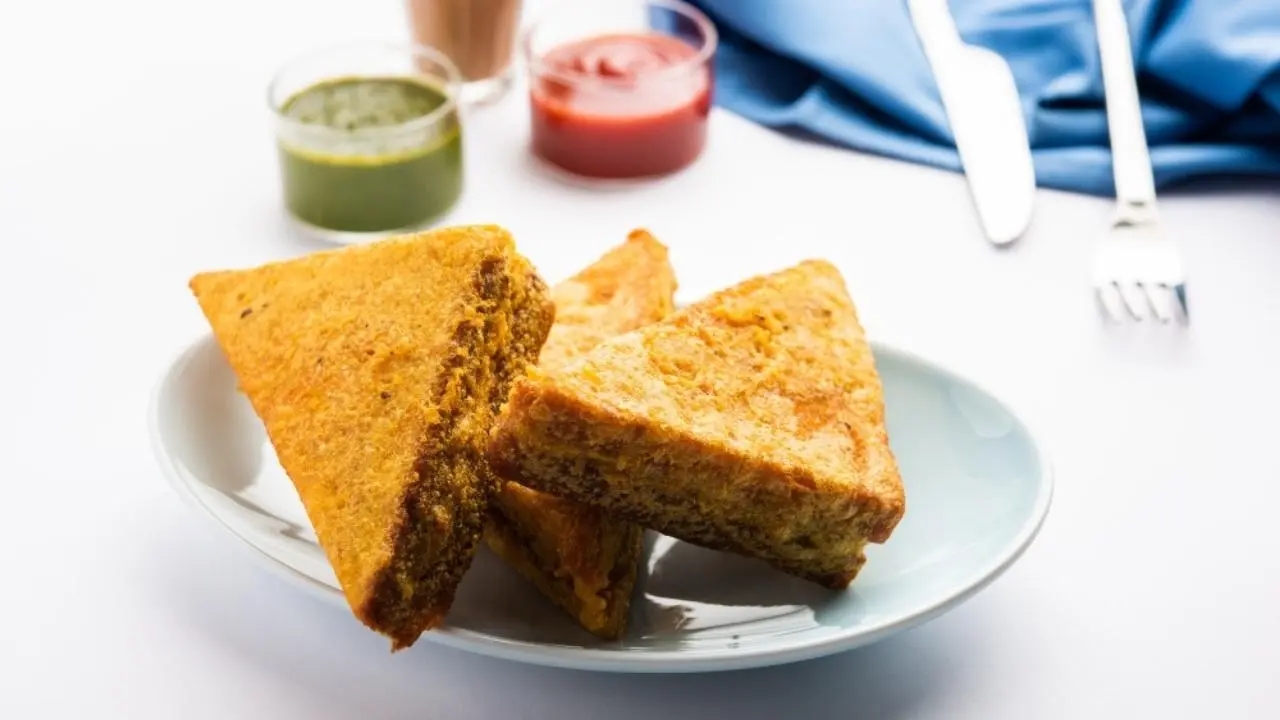
Nutritious Moong Dal Toast Recipe Perfect for Your Morning
Breakfast is widely regarded as the most important meal of the day, providing essential energy to kickstart our routines. Unfortunately, many individuals neglect this meal or opt for unhealthy choices due to time constraints.
Enter the moong dal toast, a delectable solution that’s both speedy to prepare and incredibly satisfying. Packed with nutrition, moong dal toast is rich in protein and easy to digest, making it suitable for all age groups. It’s an ideal choice for those seeking a nourishing breakfast without spending excess time in the kitchen.
Why Moong Dal Toast Is a Healthy Choice
Moong dal is one of the most nutritious lentils typically found in Indian households. It’s gentle on the stomach and abundant in plant-based protein, fiber, and essential nutrients. When combined with bread and veggies, it transforms into a balanced meal that fuels both energy and health.
Unlike greasy snacks or sugary morning options, moong dal toast keeps you satiated longer, curbing cravings for unhealthy snacks later. Best of all, it’s delicious without weighing you down.
Ingredients Required
You won’t need any extravagant or expensive ingredients; most are likely already in your pantry.
-
1 cup moong dal (yellow or green), soaked for 4–5 hours
-
2 green chilies (optional)
-
1 small onion, finely chopped
-
1 small tomato, finely chopped
-
1 small carrot, grated (optional)
-
Fresh coriander leaves, chopped
-
Salt to taste
-
Black pepper or red chili powder (optional)
-
A pinch of turmeric powder
-
4–6 slices of bread (preferably brown or whole wheat)
-
Oil or ghee for cooking
Step-by-Step Instructions
Step 1: Create the Moong Dal Batter
After soaking the moong dal, drain it thoroughly. Blend the dal into a smooth, thick batter, using minimal water. The consistency should be thick rather than watery.
For a spicy kick, feel free to add green chilies during the blending. Pour the batter into a bowl and incorporate chopped onion, tomato, carrot, coriander leaves, salt, turmeric, and any additional spices. Mix well.
Step 2: Prep the Bread
Arrange the bread slices on a plate and spread the moong dal mixture evenly on one side of each slice, ensuring an even layer for proper cooking.
Step 3: Toast the Bread
Set a pan or tawa over medium heat, lightly grease it with oil or ghee, and place the bread slices with the batter side down.
Cook for 2–3 minutes until the underside firms up and turns slightly golden. Flip gently to toast the other side until it's crisp.
Repeat with all slices.
Serving Suggestions
Enjoy the moong dal toast warm alongside green chutney, tomato sauce, or plain yogurt for the best flavor. It’s perfect for breakfast, lunch boxes, or even as an evening snack.
Pair it with a warm cup of tea, coffee, or fresh juice. This toast is versatile and can satisfy various meal occasions.
Health Benefits of Moong Dal Toast
Rich in Protein
Moong dal offers plant-based protein, essential for muscle building and satiety.
Easy on the Digestive System
Gentle on the stomach, moong dal suits those with digestive sensitivities.
Supports Healthy Weight Management
It aids in hunger control and diminishes snacking urges.
Heart-Friendly
Using minimal oil and incorporating vegetables promotes heart health.
Safe for Everyone
This nutritious dish is suitable for children, adults, and seniors alike.
Tips to Enhance Healthfulness
-
Opt for whole wheat or multigrain bread instead of white
-
Add vegetables like spinach, capsicum, or beetroot
-
Avoid deep frying; utilize a non-stick pan with minimal oil
-
Incorporate small amounts of ghee for enhanced flavor and digestion
Who Can Benefit from This Recipe
-
Anyone seeking a nourishing breakfast
-
Vegetarians requiring protein-rich meals
-
Busy professionals needing a quick breakfast
-
Parents aiming to provide nutritious meals for their kids
Moong dal toast demonstrates that healthful eating can be both enjoyable and simple to prepare. Light, filling, and nutrient-rich, it contributes to overall well-being.
If your breakfast routine feels monotonous, consider trying this moong dal toast as a refreshing change. Minor adjustments in daily eating habits can lead to significant health benefits over time.
Smart food choices lay the foundation for healthy mornings.
Disclaimer
This article aims to inform and promote food awareness. The recipe and health benefits presented are based on standard dietary wisdom and traditional cooking practices. It does not substitute for professional medical consultation. Individual dietary needs and health conditions may vary. Readers should seek personalized advice from healthcare professionals before diet changes. The publisher assumes no responsibility for individual health outcomes.