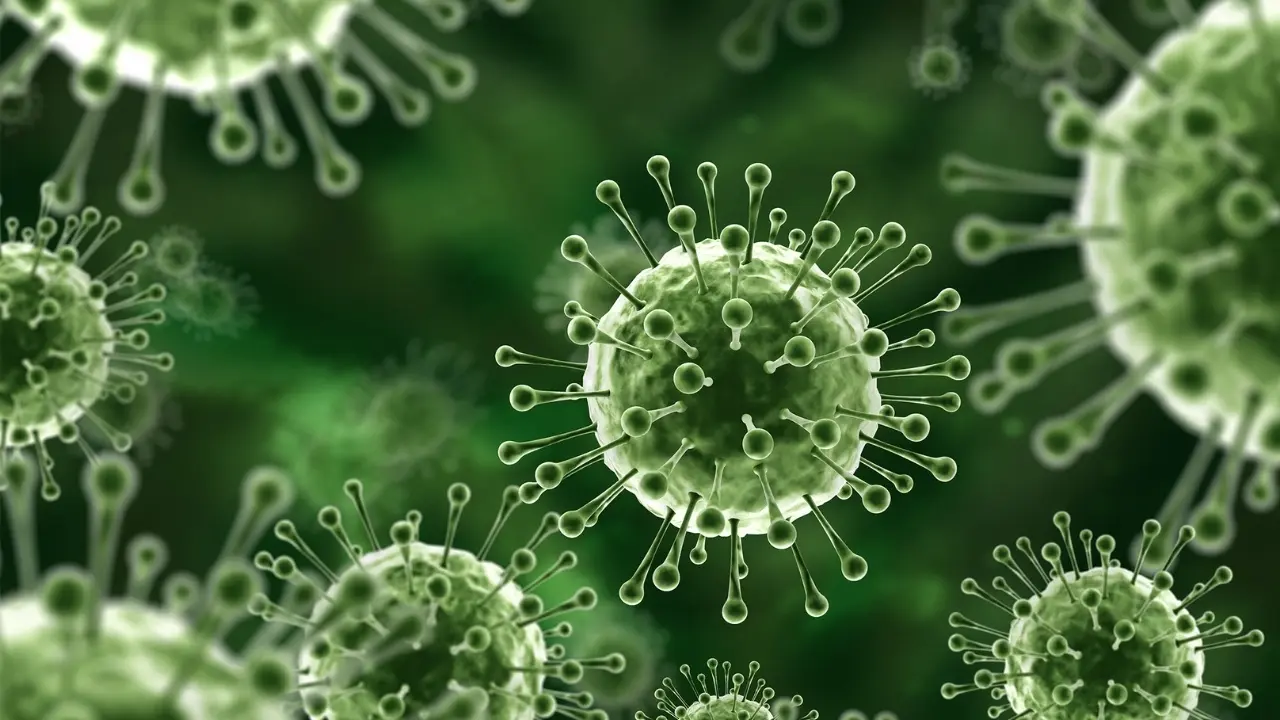
The Nipah virus — a dangerous zoonotic pathogen with neither a cure nor a vaccine — is again in the spotlight following confirmed cases in India's West Bengal. Authorities are taking swift action to prevent a potential outbreak, placing nearly 100 individuals under quarantine after multiple cases surfaced. As the natural reservoirs of the virus, fruit bats play a central role in its transmission, with human-to-human spread occurring notably in healthcare settings and close-contact situations.
Classified by the World Health Organization as a high-risk pathogen, the Nipah virus presents a significant danger due to its high fatality rate, historically varying from 40% to 75%, depending on the outbreak scenario and viral strain. Its ability to cause severe respiratory issues and potentially deadly brain inflammation (encephalitis) poses a serious risk to human health.
Gaining a comprehensive understanding of the Nipah virus—its origins, modes of transmission, clinical symptoms, and necessary public health strategies for containment—is critical in regions like South Asia, where sporadic outbreaks have frequently occurred.
Nipah Virus: Origins and Global Context
Identification and Initial Outbreaks
First identified in 1999 during an outbreak affecting pig farmers and close contacts of infected pigs in Malaysia and Singapore, the Nipah virus was recognized as a serious zoonotic threat with the capability of crossing species barriers and inflicting severe disease on humans.
Following the 1999 outbreak, multiple incidences have occurred in South and Southeast Asia. The virus is endemic in Bangladesh and has caused human cases in various years since 2001. In India, prior outbreaks in West Bengal and Kerala emphasize the continual risk posed by Nipah in regions with substantial human-animal interactions.
Transmission Dynamics of Nipah Virus
Animal-to-Human Transmission
Transmission of the Nipah virus to humans primarily occurs through direct contact with fruit bats of the genus Pteropus, which carry the virus without symptoms. Human infections can arise through:
-
Direct contact with fruit bats or their bodily fluids (saliva, urine, or feces).
-
Consumption of contaminated food, such as raw date palm sap or fruits exposed to bat secretions.
-
Interaction with infected intermediate animals, particularly pigs during earlier outbreaks, though this is less common currently.
In rural settings, fruit bats can contaminate food sources, and traditional methods of collecting raw palm sap remain risky, especially if adequate protective measures are not taken.
Human-to-Human Transmission
Nipah virus’s capacity for human-to-human transmission, particularly in close quarters among caregivers and healthcare providers, is alarming. Cases have been noted in both hospital settings and family environments where protective measures were not observed.
Effective infection control is crucial to curtail such transmission; once the virus infiltrates a community, the risk of rapid spread increases significantly.
Clinical Presentation: Identifying Nipah Virus Symptoms
Incubation Period and Initial Symptoms
Typically spanning 4 to 14 days between exposure and symptom onset, though longer durations have been noted, the clinical presentation can vary widely. Early symptoms often mimic those of common illnesses, which may delay timely detection:
These non-specific symptoms necessitate heightened clinical suspicion in outbreak settings.
Progression to Severe Illness
For many individuals, the disease can escalate quickly. As the infection advances, symptoms might include:
-
Respiratory distress and breathing difficulties
-
Neurological issues, resulting in drowsiness and altered mental states
-
Confusion, dizziness, and seizures
-
Encephalitis
-
Potential rapid decline to coma within 24-48 hours in severe cases
Respiratory-related complications may develop, particularly cases where atypical pneumonia occurs, and neurological signs often indicate a critical systemic reaction.
Severe cases can progress quickly and may be fatal, especially in areas with limited healthcare resources.
Diagnosis and Treatment
Confirming the Diagnosis
Diagnosing Nipah virus requires specialized laboratory tests, including RT-PCR assays to identify viral genetic material from throat swabs, nasal secretions, urine, or cerebrospinal fluid. Serological tests for antibodies may also play a role.
Imaging techniques like MRI or CT scans can help assess neurological involvement in patients exhibiting encephalitic symptoms.
Focus on Supportive Care
Currently, there are no licensed antiviral treatments or vaccines for Nipah virus infection. Medical management revolves around supportive care to alleviate symptoms and complications:
-
Ensuring adequate respiratory function
-
Managing fever and discomfort
-
Addressing neurological symptoms
-
Providing thorough supportive care as needed
Given the absence of targeted treatments, early detection and timely supportive measures are essential for improving patient outcomes.
Mortality and Long-Term Effects
High Fatality Rates
Historically, Nipah virus outbreaks have been characterized by high case fatality rates (40%-75%), though these figures vary based on outbreak conditions and local healthcare capacity.
This variability underscores the virus’s capacity to lead to severe outcomes, particularly among elderly individuals or those with preexisting health issues.
Neurological Implications for Survivors
Survivors may experience long-term neurological complications, including persistent seizures, personality shifts, and cognitive decline. In rare instances, encephalitis can recur even months or years after the initial recovery, highlighting the virus’s lasting effects on the nervous system.
Current Situation in India and Response Strategies
Confirmed Cases and Quarantine Actions
As of January 2026, health authorities in West Bengal have reported confirmed Nipah virus cases, including among healthcare personnel, necessitating quarantine protocols for close to 100 individuals to monitor for symptoms and prevent further spread.
While health officials insist that there is no need for alarm, the existence of confirmed cases and subsequent quarantines indicate the seriousness of the situation.
Nations across Asia — including Thailand, Nepal, and Taiwan — reintroduced mandatory health checks for travelers arriving from India as a precaution.
Containment and Surveillance Initiatives
Public health responses during outbreaks typically involve:
-
Rigorous contact tracing
-
Isolation of individuals suspected or confirmed to be infected
-
Improved infection control in healthcare settings
-
Public awareness initiatives regarding symptoms and prevention
-
Monitoring animal reservoirs to reduce spillover risks
Effective implementation of these actions is essential to halt transmission and protect both local populations and wider areas from an escalated outbreak.
Prevention: Minimizing Exposure and Spread
Avoiding Contact with Animal Reservoirs
Given that fruit bats are the virus’s natural carriers, it’s vital to reduce activities that may lead to contact with bats or their excretions. Recommendations include:
-
Refraining from consuming raw palm sap or unwashed fruits
-
Thoroughly boiling or washing fruits before eating
-
Discarding fruits or food items that are visibly bat-bitten
Protecting Against Human-to-Human Spread
Preventive measures in human interactions include:
-
Wearing adequate personal protective equipment (PPE) when caring for sick individuals
-
Maintaining frequent hand hygiene
-
Avoiding direct interaction with the body fluids of infected persons
Community education on these measures can play a crucial role in minimizing the risk of transmission once cases are confirmed.
Global Perspectives and Ongoing Research
The Nipah virus is listed among the World Health Organization’s priority pathogens for urgent research, given its epidemic potential and the absence of effective treatments. Researchers worldwide are investigating vaccine options and antiviral therapies, with robust solutions remaining a future objective.
Countries prone to repeated outbreaks, like India and Bangladesh, are investing in surveillance frameworks and research institutions to enhance readiness and response capabilities over time.
Implications for Public Health
While Nipah virus outbreaks are infrequent, they remain a significant reminder of how zoonotic diseases can emerge from animal populations and become major health threats. The current incident in West Bengal underscores the urgency for effective surveillance, swift response mechanisms, and community involvement to prevent localized outbreaks from escalating into larger public health emergencies.
Awareness of the virus’s symptoms, transmission patterns, and the necessity for rapid intervention is crucial for both health professionals and the community to manage the situation effectively.
Disclaimer:
This article serves educational purposes and does not offer medical advice. For health concerns or disease prevention guidance, please contact qualified healthcare providers and official public health resources.