Photo : MSN
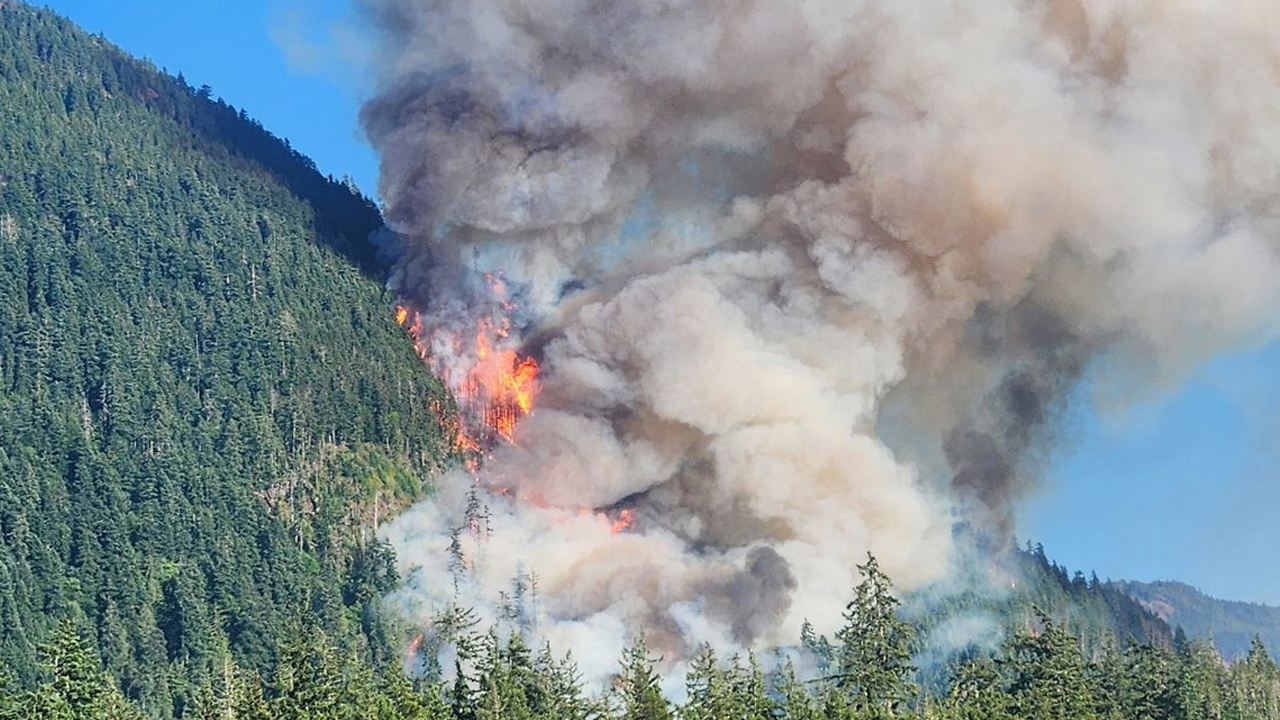
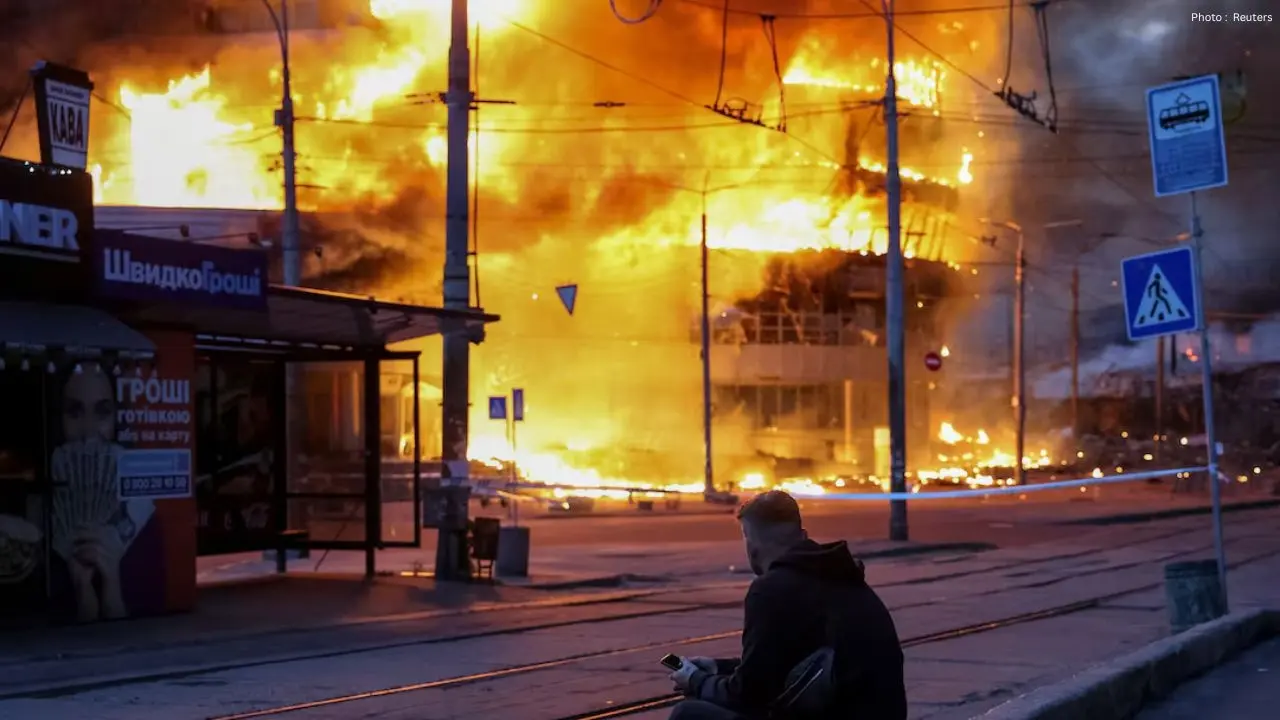
Residents near Newfoundland and Labrador’s largest city were ordered to leave their homes on Tuesday, August 12, 2025, as wildfires continued to spread across the province. Thousands of people faced the threat of losing their homes as flames burned through forests and neighborhoods.
Officials issued evacuation orders in parts of Paradise, a suburb of the provincial capital, St. John’s. These orders came shortly after Premier John Hogan confirmed a fire had started in Spaniard’s Bay, N.L., adding to the growing number of wildfires in the region. The province has been experiencing a long period of hot and dry weather, creating dangerous conditions for fires.
Sharlene Johnson, a 48-year-old single mother living in Conception Bay South near St. John’s, described the situation as terrifying. Her home was included in a broad evacuation alert that now affects around 20,000 people. She said, “I’m kind of just a sitting duck right now, waiting to see and reading news updates. I worry about leaving or if my home was to burn down. It’s very real and frightening.”
Current Wildfire Situation
On Tuesday, at least four large wildfires were burning out of control in Newfoundland and Labrador. One of the biggest fires is near Kingston, on the northeastern shore of Conception Bay, covering 64 square kilometres. This fire had already forced about 3,000 people to leave their homes and destroyed some houses, although the exact number of homes lost is not yet known.
The fire near Paradise started on Monday afternoon, about 15 kilometres south of St. John’s, near Paddy’s Pond. By Monday evening, it had grown to cover two square kilometres.
Because of these fires, the provincial government declared a local state of emergency for Conception Bay South, Paradise, Southlands, and Galway, which are areas around St. John’s.
Government and Emergency Response
Prime Minister Mark Carney said the wildfire situation is rapidly worsening, but Canadian Armed Forces and Canadian Coast Guard teams are helping deliver supplies and support to affected residents. Carney also confirmed that the federal government is ready to provide more help if needed.
Premier John Hogan explained that water bombers are working to fight the fires near Kingston and Paddy’s Pond, which are less than 100 km apart. He said four more helicopters, including two Black Hawk helicopters from Utah, are coming to assist with nighttime firefighting operations.
Hogan also confirmed the fire in Spaniard’s Bay, located about 25 km southwest of the Kingston wildfire, and said crews were responding. Residents in the area were warned to stay alert and follow official safety instructions.
The Town of Spaniard’s Bay later said the fire was under control, but crews stayed at the scene to put out hot spots, and police will let residents know when it is safe to return home.
Wildfires Across Atlantic Canada
Wildfires are also affecting other parts of Atlantic Canada. In Nova Scotia, a fire broke out on the western edge of Halifax, near the Bayers Lake business park, forcing an outpatient clinic and a commercial building to evacuate.
In New Brunswick, firefighters are battling two uncontrolled wildfires. Residents north of Moncton were told to prepare for evacuation, but no homes had been lost as of Tuesday.
Weather and Drought Conditions
Environment Canada extended heat warnings across Atlantic Canada until at least Wednesday, except for the southern areas of Newfoundland. In eastern Newfoundland, high humidity will make temperatures feel like 41°C in some areas.
Agriculture Canada reported that 56% of Atlantic Canada is abnormally dry, with 90% of Nova Scotia in moderate drought. Rainfall between April and July has been much lower than usual: St. John’s received only one-third of its normal rain, and Halifax about 40%.