Photo:Reuters
Nepal’s fragile democracy has been shaken to its core. In the span of a week, a government attempt to regulate social media has triggered a nationwide youth uprising, left more than 30 people dead, and ended the tenure of Prime Minister K.P. Sharma Oli.
The unrest began September 4 when the government ordered 26 social media platforms, including Facebook and YouTube, to be blocked. The official reason was failure to comply with new registration requirements, but young Nepalis saw it as censorship.
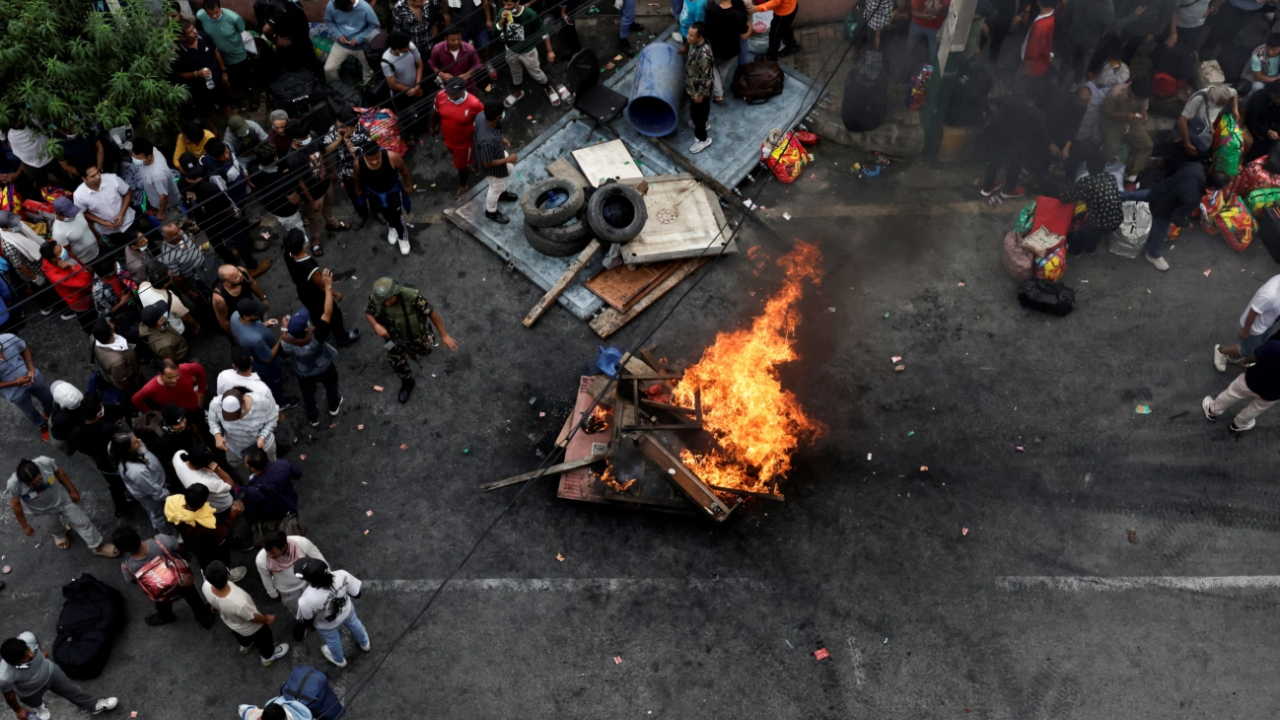
The protests soon spiraled into a broader revolt. Demonstrators denounced entrenched corruption, nepotism, and joblessness. On September 8, crowds marched on Parliament. Fires engulfed government buildings, and the clashes left at least 19 people dead on the first day alone. By the week’s end, the toll had risen to at least 34, with more than 1,300 people injured.
The government eventually lifted the ban, but the damage was done. Oli resigned under pressure, and negotiations are now focused on installing an interim leader. Former Chief Justice Sushila Karki has emerged as the top candidate, with broad support from protest groups and constitutional scholars.
Curfews remain in effect across major cities. Soldiers patrol Kathmandu’s streets, and hospitals continue to struggle with the influx of wounded. International human rights organizations have condemned the excessive use of force.
For Canada, which maintains aid programs in Nepal and has a growing diaspora community, the events underscore how quickly democratic institutions can unravel when youth demands for accountability and digital freedoms are ignored. Analysts warn that Nepal’s crisis is both a domestic turning point and a cautionary tale for other nations balancing technology regulation with civil rights.