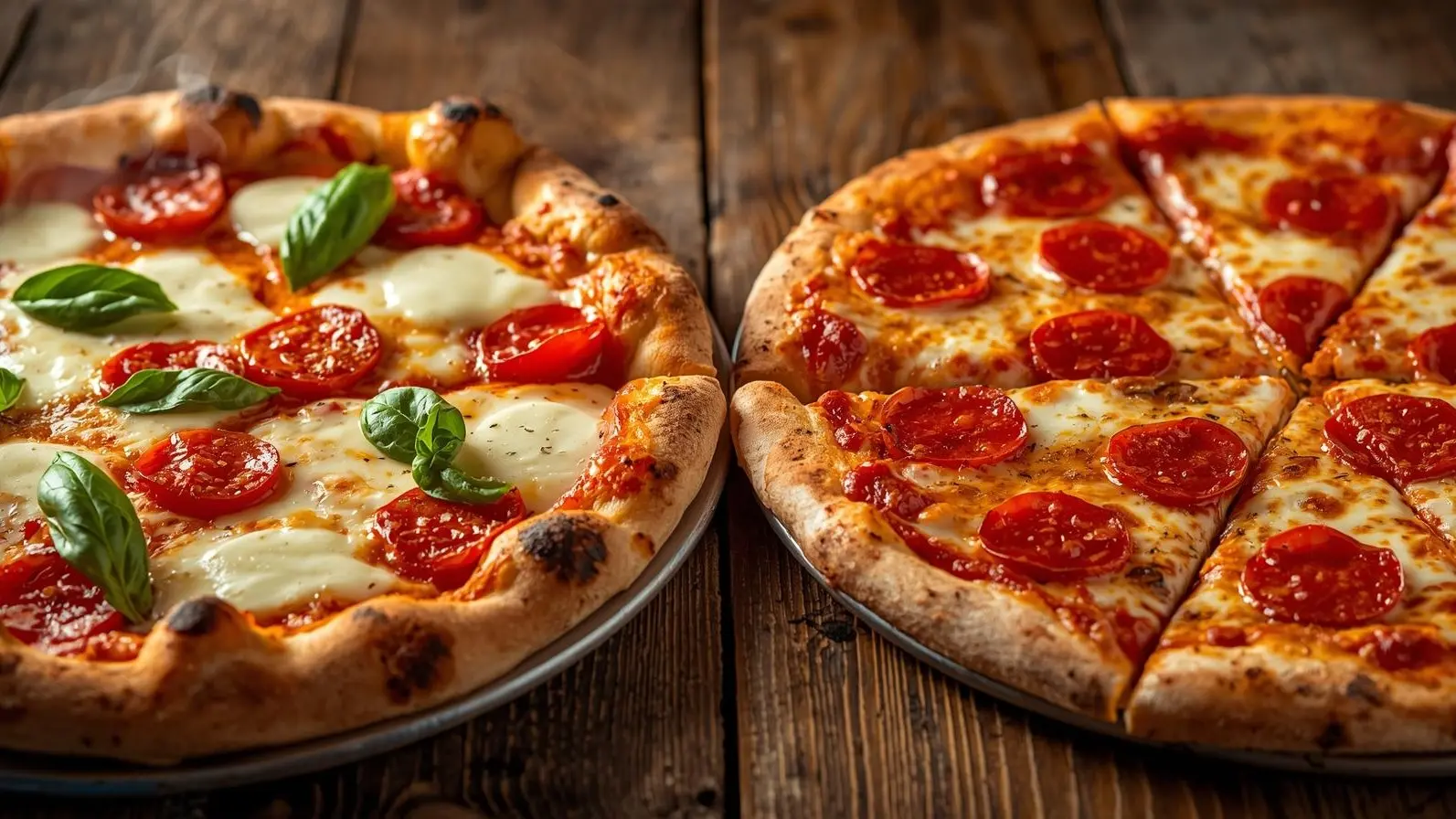
Neapolitan Pizza vs New York Pizza: A Flavorful Showdown
Pizza ranks among the world's most cherished dishes, yet not all styles are made alike. Dominating the global pizza scene are two styles that ignite passionate debates: the Neapolitan pizza hailing from Italy and the New York-style pizza cultivated in the United States. Although they share ingredients such as dough, sauce, and cheese, the differences in taste, texture, price, and overall dining experience set them apart. This comprehensive comparison delves into Neapolitan and New York pizzas, examining their flavor profiles, cost variances, and ideal places to savor each style.
Origins and Cultural Significance
Neapolitan pizza traces its roots to Naples, Italy, where it is celebrated as the original pizza form. Initially crafted as accessible street food for the working class, it gained protection through strict regulations aimed at preserving its authenticity. In contrast, New York pizza emerged when Italian immigrants transported their recipes to America in the early 1900s, gradually adapting to local preferences, larger ovens, and a faster lifestyle.
Neapolitan pizza encapsulates tradition, minimalism, and craft, while New York pizza embodies convenience, rich flavors, and urban food culture.
Dough and Crust Characteristics
The primary distinction between these two types of pizza lies in their crust.
Neapolitan pizza features a soft, airy, and elastic crust with a slightly chewy center. Its edges swell during baking, forming a light, charred rim known as cornicione. The center remains thin and often requires utensils.
Conversely, New York pizza has a thin yet firm crust that is crispy underneath and flexible enough to be folded. This sturdiness allows it to accommodate hefty toppings without collapsing.
The dough for Neapolitan pizza comprises finely milled Italian flour, water, salt, and yeast, fermented for optimal flavor. New York dough typically includes oil and sugar, enhancing its crispness and richer flavor.
Sauce and Cheese Contrast
Neapolitan pizza prioritizes top-quality, simplistic ingredients. The sauce consists of crushed San Marzano tomatoes with minimal seasoning. Fresh mozzarella—often mozzarella di bufala or fior di latte—melts delicately, releasing moisture for a balanced profile.
In contrast, New York pizza utilizes a cooked tomato sauce flavored with herbs, garlic, and sometimes sugar. Low-moisture mozzarella is generously applied, creating a gooey, stretchy layer that many associate with traditional pizza.
While Neapolitan pizza exudes freshness and balance, New York pizza delivers a braver, saltier indulgence.
Baking Techniques and Texture
Neapolitan pizza is crafted in a wood-fired oven at extremely high temperatures for brief periods, resulting in charred spots, smoky fragrances, and a soft interior.
On the other hand, New York pizza is baked in gas or electric ovens at lower temperatures for longer durations, yielding evenly cooked slices with a crisp base and chewy texture.
This baking method significantly influences texture, making Neapolitan pizza delicate, whereas New York pizza is robust and structured.
Taste Experience Overview
Neapolitan pizza emphasizes ingredient quality and balance. Each morsel showcases the dough, tomato, and cheese without overwhelming flavors. Despite its soft texture, it feels light and easy to digest.
In contrast, New York pizza leans toward richness and heartiness. The stronger sauce, heavier cheese, and crisp crust make it filling and comforting. It is designed for quick consumption, often on the move.
People who appreciate subtlety and authenticity lean towards Neapolitan pizza, while those who favor bold, classic flavors typically prefer New York pizza.
Portion Size and Service Style
Neapolitan pizza is typically served as a personal-sized dish, usually consumed in its entirety by one individual. It is smaller in diameter but features thicker edges.
New York pizza is known for its sizable slices, which are typically wide and foldable, making them convenient for sharing.
While Neapolitan pizza offers a sit-down experience, New York pizza is perfect for casual dining and street food environments.
Price Analysis: Neapolitan vs New York Pizza
Prices can differ remarkably based on location, ingredients, and dining format.
Neapolitan pizza in Naples is surprisingly budget-friendly, often cheaper than its international counterparts. Outside Italy, genuine Neapolitan pizza may be pricier due to imported ingredients and specialized baking methods.
Meanwhile, New York pizza usually remains affordable, especially when purchased by the slice. Whole pizzas from popular joints may carry a higher price tag, but individual slices are often budget-considerate.
Ultimately, Neapolitan pizza generally commands a higher price outside of Italy, while New York pizza often provides greater value for quick, filling eats.
Where to Experience Authentic Neapolitan Pizza
For the ultimate Neapolitan pizza experience, look no further than Naples, Italy, where local pizzerias adhere to strict preparation methods. Many cities around the globe now boast certified Neapolitan establishments aiming to replicate the original style using wood-fired ovens and imported ingredients.
Travelers after authenticity are advised to seek venues specializing solely in Neapolitan offerings instead of those with mixed menus.
Where to Find Classic New York Pizza
New York City stands as the quintessential locale for New York-style pizza, where family-run neighborhood pizzerias serve slices that carry on decades of tradition.
Beyond New York, numerous cities provide New York-style pizza options, but the finest examples retain thin crusts, sizable slices, and a classic balance of cheese and sauce.
Nutritional Analysis
Neapolitan pizza incorporates fewer components and less cheese, resulting in a lighter, more digestible option. Its extended fermentation process also aids digestion.
New York pizza tends to be richer in cheese and oil, making it more substantial and filling. While it offers more calories per slice, it is suited for those with heftier appetites.
Which Pizza Suits Different Preferences?
Neapolitan pizza appeals to food purists, adventurers seeking authentic Italian fare, and discerners of light, fresh tastes.
New York pizza is perfect for casual diners, late-night snacking, and travelers looking for a quick, hearty meal.
Both styles excel in their ways, but the better choice ultimately hinges on personal preference rather than quality.
Final Verdict: Neapolitan Pizza vs New York Pizza
Neapolitan pizza encapsulates tradition, simplicity, and refined flavors rooted in Italian culinary heritage. New York pizza delivers boldness and comfort, catering to the fast-paced city lifestyle. Neither style can definitively outshine the other; they represent two distinct philosophies of pizza-making. Exploring both variations is the ideal way to celebrate how a single dish has transformed into two global treasures.
Disclaimer
This article serves merely as informational content. Prices, recipes, and availability may differ based on the location and respective restaurant. Taste preferences remain subjective, and travelers should explore various pizzerias for the most rewarding experience.