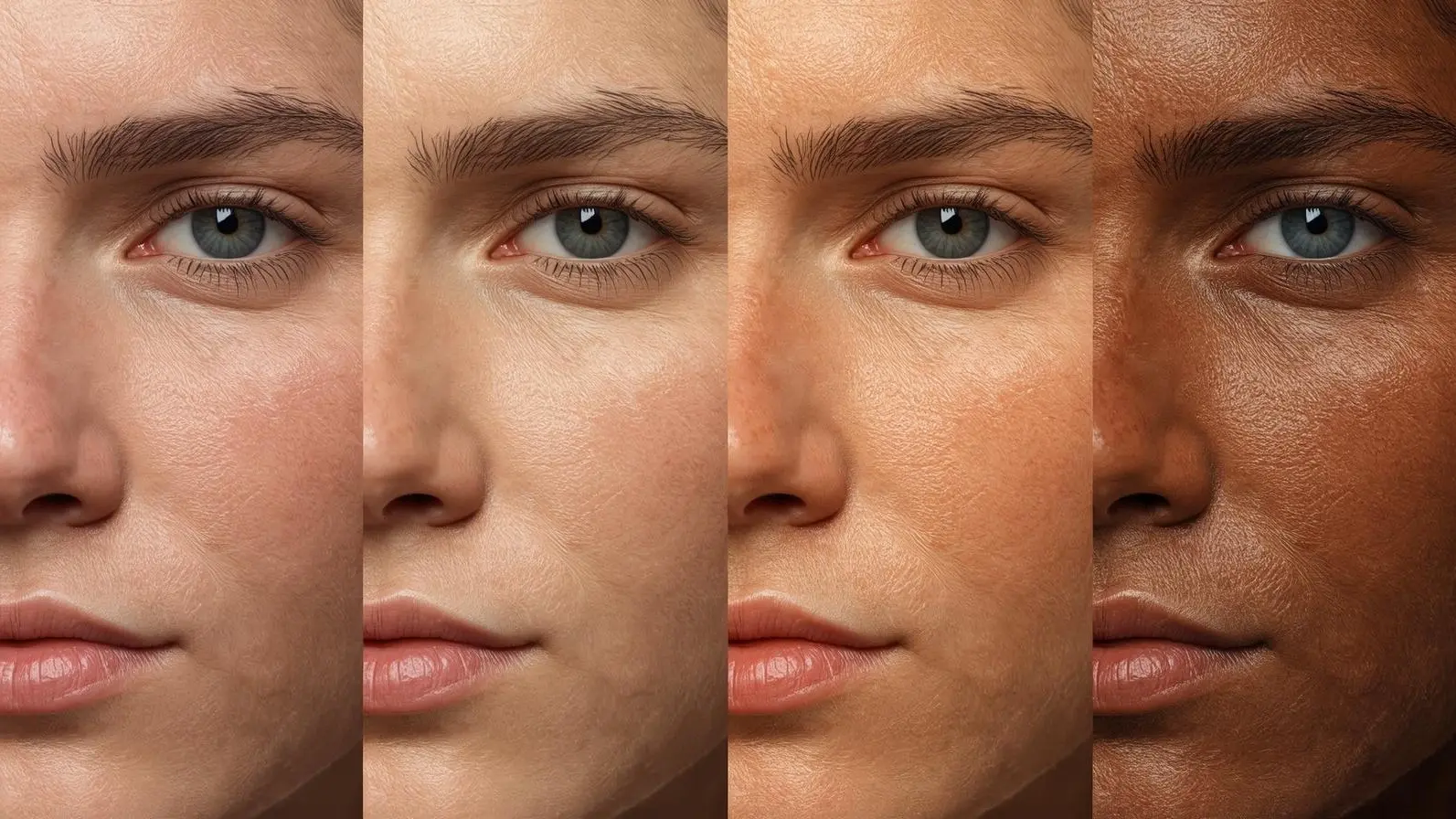
Navigating Seasonal Changes: The Skin's Year-Round Journey
As the seasons shift, so too does our skin's texture. Many individuals find their skin becoming rough during winter, excessively oily in summer, lackluster in monsoons, or overly sensitive during transitions. Rather than attributing these changes to products, it’s important to recognize that seasonal fluctuations play a significant role in altering skin structure, hydration, oil production, and barrier integrity.
Comprehending how different times of year impact skin texture can help prevent lasting damage, manage breakouts, and achieve smoother, healthier skin all year long. This guide delves into the science behind these seasonal variations in a straightforward and informative manner.
The Essence of Skin Texture
Skin texture encapsulates the surface quality of your skin—how smooth, even, hydrated, and refined it appears.
Healthy skin texture should be characterized by:
Why Seasonal Changes Impact Skin Texture
Your skin constantly interacts with its environment as a living organ.
Factors associated with the seasons that affect texture include:
-
Fluctuating temperatures
-
Variations in humidity
-
Intensity of sun exposure
-
Wind and pollution levels
-
Heating or air conditioning indoors
Each season imposes differing levels of stress on the skin barrier, leading to noticeable texture variations.
Winter's Effect on Skin Texture: Dryness and Flakiness
Winter is particularly challenging for skin texture.
Winter Skin Changes
Cold air contains minimal moisture, and paired with indoor heating, it results in:
-
Accelerated moisture loss
-
Decreased oil production
-
Weakened skin barrier
-
Heightened water evaporation from the skin
Consequently, skin may feel tight, rough, flaky, and uneven.
Reasons Winter Affects Texture
-
Rapid accumulation of dead skin cells
-
Slowed skin renewal process
-
Natural lipid levels drop
-
Formation of micro-cracks on the surface
These factors can create a sandpaper-like feel, particularly on cheeks, hands, and legs.
Summer's Impact on Skin Texture: Oiliness and Breakouts
Conversely, summer exerts opposing effects on skin texture.
Summer Skin Changes
High heat and humidity result in:
Why Summer Texture Feels Unpleasant
-
Excess sebum combines with dead skin cells
-
Pores may appear enlarged
-
Increased acne and blackhead occurrences
-
Sunscreen residue can exacerbate congestion
Although skin may feel hydrated, true moisture balance may be lacking.
Monsoon Season: Unforeseen Texture Challenges
The monsoon brings distinct challenges for skin.
Effects of Monsoon Weather
Elevated humidity paired with pollution leads to:
-
Excessive sweating without adequate evaporation
-
Increased fungal and bacterial proliferation
-
Sticky skin texture
-
Heightened sensitivity
During this season, skin texture may feel uneven, congested, and lackluster.
Reasons Monsoon Skin Tends to be Uncomfortable
-
Pores remain obstructed
-
Skin struggles with oil and moisture regulation
-
Breakouts and infections may rise
-
Makeup and products may trap moisture
This season can trigger sudden texture changes even in previously balanced skin.
Seasonal Transitions: The Peak of Skin Sensitivity
The times between seasons are particularly damaging for skin texture.
The Importance of Transition Periods
Skin adapts gradually, yet environmental shifts occur rapidly.
-
Oil glands can become confused
-
The protective barrier may weaken
-
Heightened sensitivity may occur
-
Texture may become unpredictable
During these times, people often experience sudden breakouts, rough patches, or dull skin.
The Role of Seasonal Changes in Skin Barrier Integrity
The skin barrier is responsible for maintaining consistent texture.
Functions of the Barrier
-
Moisture retention
-
Protection against irritants
-
Maintenance of a smooth surface
Stress from seasonal changes can weaken this barrier, resulting in moisture loss and rough texture.
Indicators of Barrier Damage
The Dangers of Seasonal Dehydration
Dehydration can be very different from dry skin.
Consequences of Dehydration on Texture
-
Fine lines can become more pronounced
-
Skin can feel rough even when oily
-
Makeup may apply unevenly
-
Skin can lose its glow
Seasonal dehydration often occurs in both winter and summer due to imbalances in moisture.
Effects of Sun Exposure on Texture
Sun exposure varies throughout the year but consistently impacts texture.
Impact of UV Rays on Skin Texture
-
Thickening of the outer layer of skin
-
Slowed cell turnover
-
Irregular pigmentation
-
Prolonged roughness
Even during cloudy or winter days, neglecting protection can damage texture.
Pollution's Role in Texture Alterations
Pollution levels fluctuate between seasons and locations.
How Pollution Affects Skin Texture
-
Free radicals can damage skin cells
-
Dirt particles can clog pores
-
Oxidative stress can impede repair
This leads to a dull, uneven, and fatigued skin texture.
Why a Static Skincare Routine Falls Short
Utilizing the same products throughout the year is a frequent error.
The Mismatch of Skincare Across Seasons
-
Rich creams can clog pores in summer
-
Light gels might not be sufficient in winter
-
Strong exfoliants can exacerbate damage during transitions
Optimizing skin texture often requires seasonal adjustments in routines.
Supporting Smooth Texture Throughout the Year
Adjust Cleansing Habits
Utilize gentle cleansers in winter while opting for deeper cleansers during the summer months.
Focus on Hydration Rather than Heaviness
Boost hydration in winter and maintain balance during summer.
Seasonal Exfoliation
Limit exfoliation during winter and transitional months while being more moderate in summer to prevent buildup.
Fortify the Skin Barrier
Use ingredients that support the barrier to enhance adaptation to environmental stressors.
Never Skip Sun Protection
Daily sun protection is crucial for maintaining consistent texture year-round.
Lifestyle Habits that Influence Seasonal Texture
Your seasonal lifestyle choices can also affect your skin health.
-
Decreased water intake during winter months
-
Poor sleep patterns in hot summer months
-
Increased consumption of junk food during monsoons
-
Stress levels during seasonal illness
Maintaining healthy habits can lead to smoother skin irrespective of weather conditions.
When to Seek Professional Help for Texture Changes
Consult a dermatologist if:
-
Your texture deteriorates rapidly
-
Persistent roughness or peeling occurs
-
Acne or irritation spikes with the seasons
-
You see no improvement from home care
Early intervention can help avoid long-term issues.
Long-Term Consequences of Ignoring Seasonal Texture Changes
Neglecting the skin’s seasonal needs can result in:
Final Thoughts on Managing Seasonal Skin Texture
While seasonal changes are inevitable, texture damage can be managed. Skin responds best to tailored care, hydration, and protection that aligns with environmental conditions. Understanding what influences your skin allows you to proactively support its health rather than react after issues arise.
Achieving healthy texture isn’t about perfection; it’s about finding harmony, consistency, and adaptability.
Disclaimer
This content is meant for informational purposes and does not substitute for professional dermatological advice. Responses to seasonal shifts can differ based on individual skin types, locations, and health conditions. For ongoing texture concerns, consult with a qualified dermatologist or skincare expert for tailored advice.